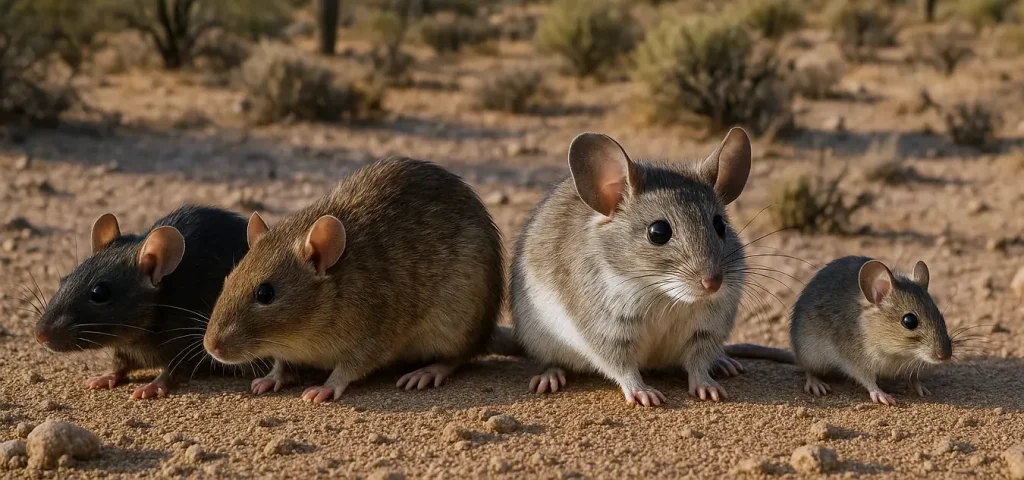
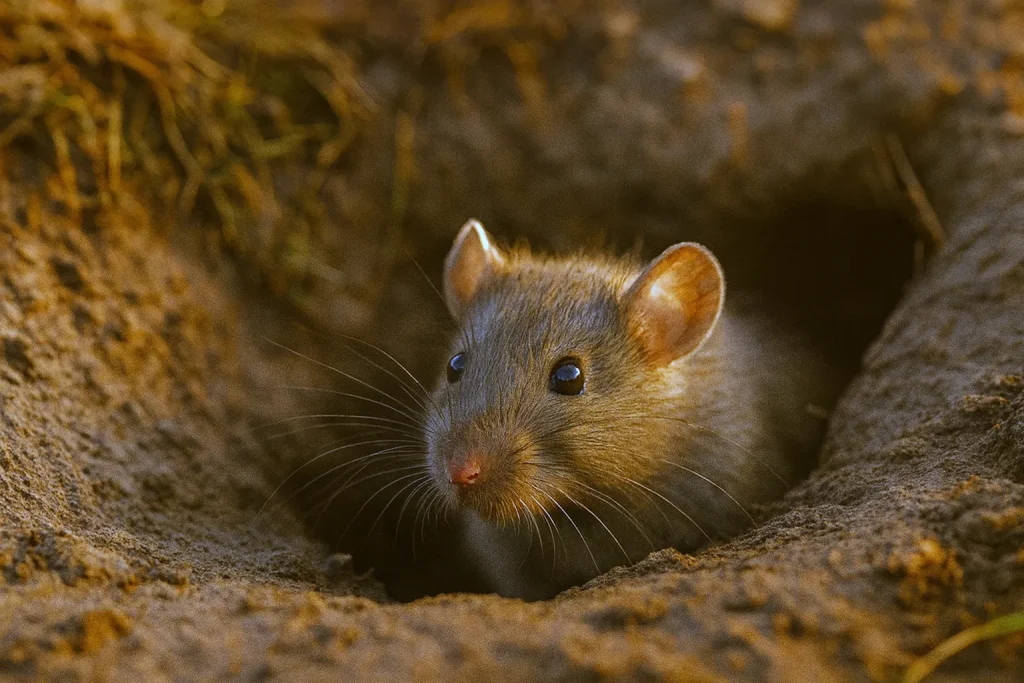
In the Sonoran Desert, water decides where rodents live, and on most Phoenix properties the reliable water is not the pool itself but the equipment pad and the drip irrigation. Chewed emitters, damp filter housings and shaded pump enclosures are three of the most common rodent attractants we find, and they are almost never on a homeowner’s checklist.
Why water matters more than food here
Food is easy for a rodent to find almost anywhere. Water is not. A roof rat needs roughly an ounce of water a day and can get some of it from fruit, but a dependable free-water source is what allows a population to persist through a Phoenix summer instead of dying back.
That is why properties with year-round irrigation, pools, misters and water features hold rodent populations that never fully go dormant, while a xeriscaped lot two streets away may see activity only seasonally.
The equipment pad
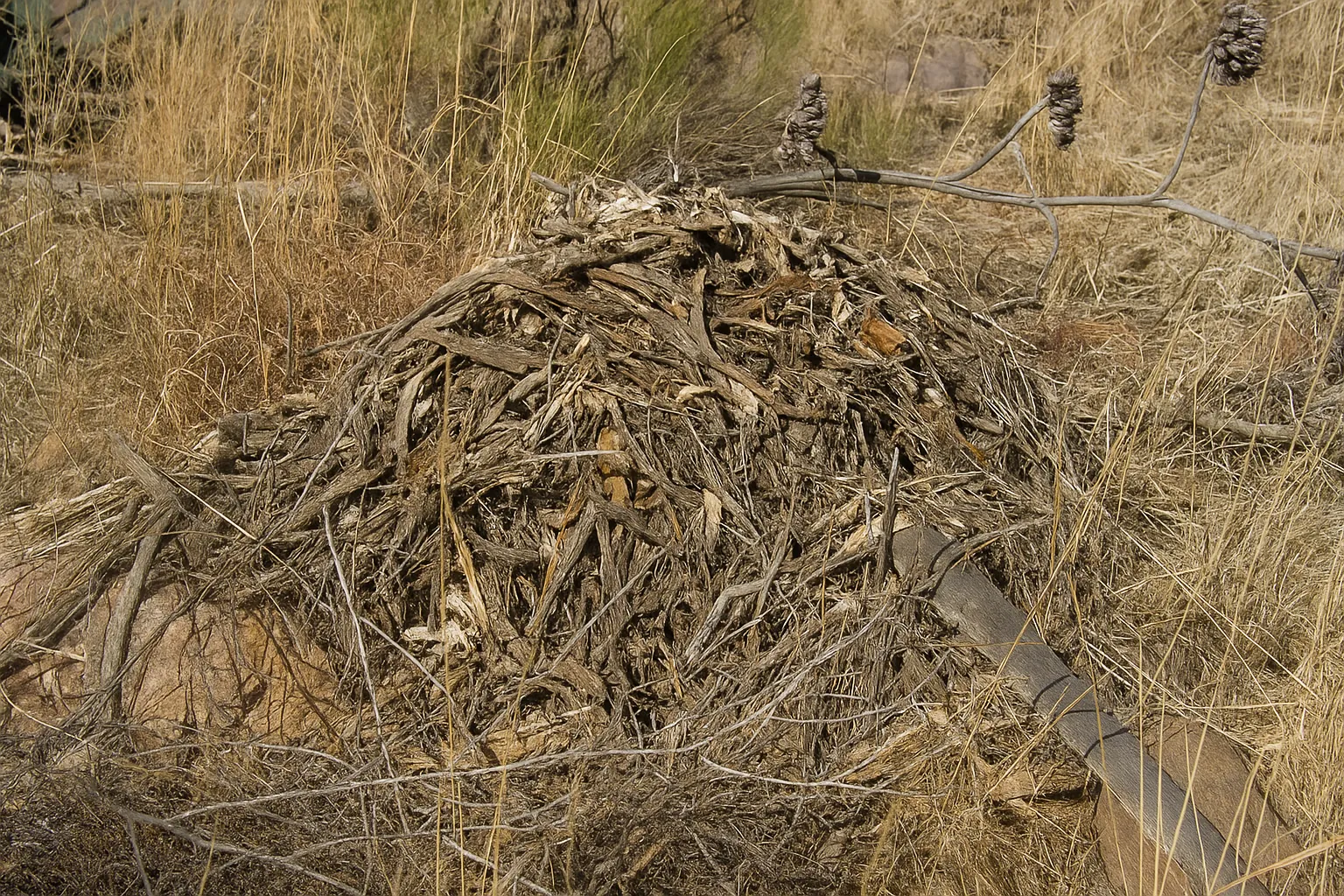
A pool equipment pad offers shade, structure to nest against, slight warmth from the pump motor, and condensation. We routinely find pack rat middens and Norway rat burrows in exactly these places:
- Inside pump and filter enclosures. Particularly boxed or louvered enclosures added for noise reduction.
- Under the pad itself, where the concrete has settled and left a void along one edge.
- Against the backwash line, which stays damp and often discharges into a planted area.
- In stored pool equipment. Coiled hoses, folded covers, and pole bags are ideal nesting material.
- Around the heater, where residual warmth on winter nights is a genuine draw.
Pack rats in particular will build a midden inside an equipment enclosure and chew control wiring and low-voltage lines while they are there. Automation control boards are an expensive repair.
Drip irrigation
Drip systems are the most under-recognised rodent attractant in Valley landscaping. Rodents chew emitters and quarter-inch tubing to drink, and once a line is opened it keeps producing water on every cycle. The damage is self-reinforcing: one chewed emitter creates a reliable water station that draws more activity.
Signs to look for:
- Wet patches or unexplained soft ground along a drip run
- Plants dying downstream of a break while an upstream plant floods
- A drop in system pressure, or zones that no longer reach the far end
- Clean-cut damage to quarter-inch tubing, often in the shade under a shrub
- Gnaw marks on the poly mainline where it emerges from the ground
What actually fixes it
Habitat and water management does most of the work here, and much of it is not pest control at all:
- Repair chewed emitters and tubing promptly. Every open line is a drinking station.
- Run irrigation before dawn, not overnight. Shorter standing-water windows reduce availability at the hours rodents forage.
- Clear the equipment pad. Remove stored hoses, covers and cushions; keep two feet of clear space around the pad.
- Screen enclosure vents with heavy-gauge hardware cloth rather than insect screen.
- Close the void under a settled pad with mortar or hardware cloth.
- Fix pool leaks and dripping hose bibs. A slow drip is a permanent water source in a desert.
Where a midden is already established, it has to be removed and the site sanitised. Pack rat nests carry a heavy parasite and pathogen load and should not be dry-swept. That work is covered on our pack rat removal page.
Frequently Asked Questions
Do rats chew drip irrigation lines in Arizona?
Yes, routinely. Rodents chew quarter-inch drip tubing and emitters to reach water, and in a desert climate the resulting leak becomes a reliable drinking station that draws further activity. Unexplained wet patches and pressure loss are common first signs.
Why are there rats around my pool equipment?
Pool equipment pads combine shade, structure, residual warmth from the pump or heater, and moisture from condensation and backwash. Pack rats build middens inside enclosures and Norway rats burrow beneath settled pads. Stored hoses and covers add nesting material.
Will rodents damage my pool automation system?
They can. Pack rats and roof rats both chew low-voltage control wiring, and automation boards and actuator wiring are among the more expensive repairs we see homeowners face after an infestation in an equipment enclosure.
Does chlorinated pool water attract rodents?
Rodents will drink chlorinated water, but the pool is usually less important than the equipment and irrigation around it. Standing water in skimmers, backwash discharge and drip leaks are more accessible and more attractive than the pool surface itself.
How much does rodent service cost?
The initial rodent service is $245, which includes inspection, entry-point mapping, trap placement and the first removal. Follow-up visits are $95 each. A $29 first visit is available with enrollment in a year-round pest control plan. Midden removal and sanitation are quoted after inspection.