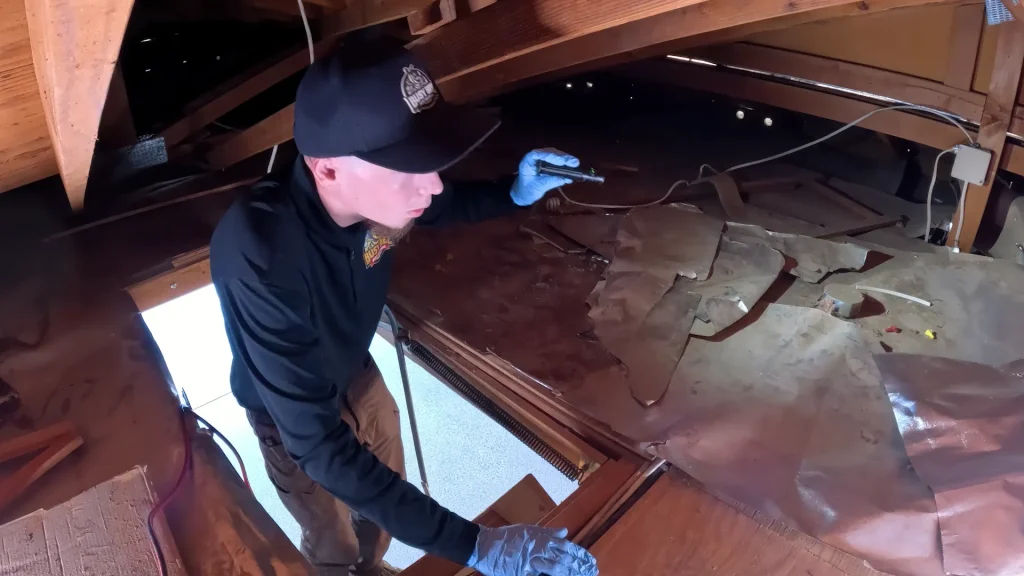
They are the shadows in the alley, the rustle in the palm trees, the unseen guests in our homes. The Norway rat, a creature as resilient as it is reviled, has become a ubiquitous symbol of urban life. In Phoenix, the sight of a scuttling rodent can feel both jarring and increasingly common. But how did this survivor, hailing from the plains of Asia, become a global citizen, and a growing concern for Phoenicians?
Why “Norway” Rat? (The Naming Mistake That Stuck)
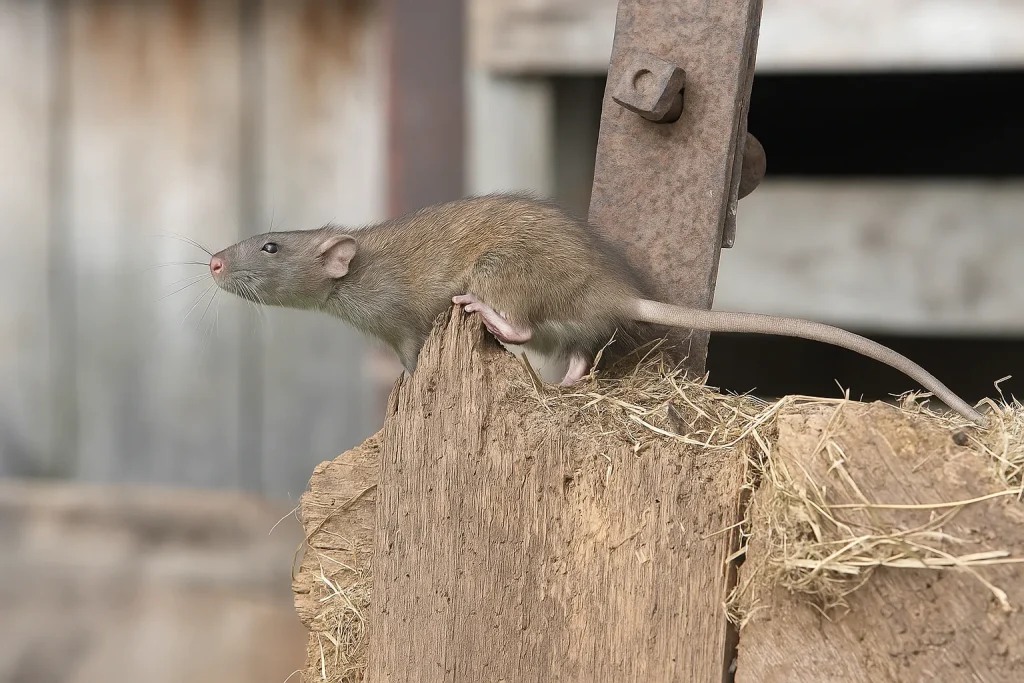
Despite its name, the Norway rat (Rattus norvegicus) is not Scandinavian. It originated in northern China and Mongolia.
The misnomer comes from an English naturalist, John Berkenhout, who in 1769 assumed the rat had just arrived in England on Norwegian ships. He called it the “Norway rat,” and the name endured. Even though these rodents had no real Norwegian roots.
Other names include:
- Brown rat (color)
- Sewer rat (habitat)
- Wharf rat (port cities)
- Common rat (because, well… they’re everywhere)
From Asian Plains to Global Stowaway
The Norway rat’s true journey began as an unwanted stowaway on ships in the 1700s. Larger and hardier than the black rat (Rattus rattus), it spread rapidly through Europe, North America, and beyond. Thriving in cities, sewers, and ports.
Its aggression and adaptability let it displace black rats in many areas, cementing its place as the dominant “urban rat.”
A Tale of Two Species in Phoenix
If you have already worked out which one you are dealing with, the fixes are different: Norway rat removal in Phoenix is ground-level work, burrows along foundations, block walls, and irrigation lines, while roof rat removal is attic and roofline work.
Phoenix hosts two major rodent species:
Norway Rat (Rattus norvegicus)
- Stockier, burrowing, ground-level dweller
- Favors basements, crawl spaces, canal banks
- Excellent swimmers, often linked to water sources
Roof Rat (Rattus rattus)
- Sleeker, longer-tailed, agile climber
- Runs attics, palms, and citrus corridors
- More common in Phoenix neighborhoods
So if you hear scratching in your attic, it’s probably a roof rat. If you see tunneling near foundations or activity near canals, that’s more likely a Norway rat.
👉 Learn how we handle Roof Rat Removal in Phoenix »

Why Phoenix Has a Rat Boom
Phoenix has become a rodent paradise thanks to:
- A Never-Ending Buffet: Citrus trees, fruit, pet food, unsecured trash.
- An Oasis in the Desert: Irrigation canals, pools, AC drip lines.
- Urban Sprawl = Shelter: Attics, sheds, woodpiles, dense landscaping.
- Year-Round Breeding: Mild winters = continuous reproduction.
- Behavioral Edge: Neophobia (fear of new things) makes them trap-shy.
Risks & Impacts
- Chewing wires, causing fire hazards
- Damaging cars & AC units
- Contaminating food & spreading disease
- Costly nest damage in attics, garages, and sheds
👉 If you’re concerned, our Rodent Control in Phoenix page outlines prevention and treatment options.
External References for Further Reading
- Woodrats (Packrats). University of Arizona Extension PDF (for species comparison)
- National Geographic. Rat Species Profile
- Smithsonian. In Defense of Studying City Rats
Wrapping It Up
The Norway rat’s rise from Asian grasslands to Phoenix canals shows how human growth shapes nature. For Phoenicians, that means learning to spot, prevent, and control both Norway and roof rats.
Understanding the history is the first step. The second? Making sure these “uninvited tenants” don’t settle in your home.
What it costs to fix
Norway rats are a ground-level problem, and the fix is priced the same as any other rodent job. Rodent control is $245 for the initial service and $95 per follow-up. The Phoenix rodent control price guide breaks down every line item, including what rodent damage costs to repair if you wait. If you are adding year-round pest control, the initial rodent visit drops to $29 under the $29 rodent special. Trapping ends the infestation you have now; rodent exclusion is what stops the next one.