

If you’re seeing a cluster of bees hanging from a tree branch or heavy bee activity around a tree, it’s often a swarm, but not always. In Phoenix, swarms can quickly turn into established hives if the bees decide to stay in the tree.
Below are real bee removal jobs from Phoenix where bees were found in trees, along with how to tell whether the bees are temporary or something that needs immediate professional removal.
🚨 Bees in Your Tree Right Now?
If bees are clustered in a tree or repeatedly returning to the same branch, the situation can change quickly. What starts as a temporary swarm can turn into a permanent hive if left alone.
We commonly see bee swarms in trees throughout Phoenix, Mesa, and the East Valley, especially during peak swarm season.
📞 Call Now: (623) 289-3375. Same-Day Service AvailableSigns Bees Are Nesting in a Tree
In Phoenix and throughout the East Valley, bees frequently use trees as temporary swarm locations or permanent hive sites. While some swarms leave within a day or two, others begin building comb directly on branches.
If you’re seeing repeated activity in the same tree, it’s important to determine whether the bees are just passing through or establishing a colony.
Common Signs Include
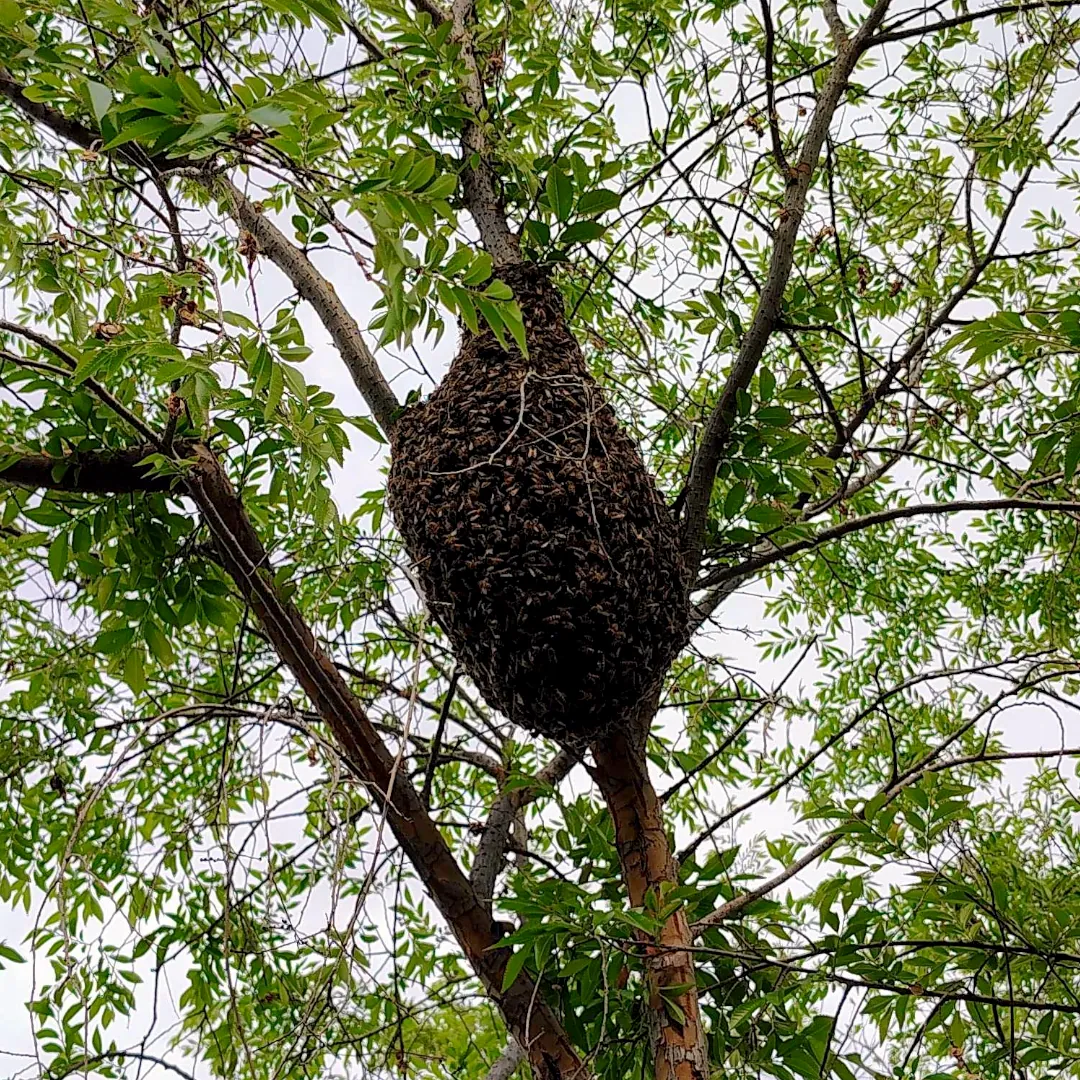
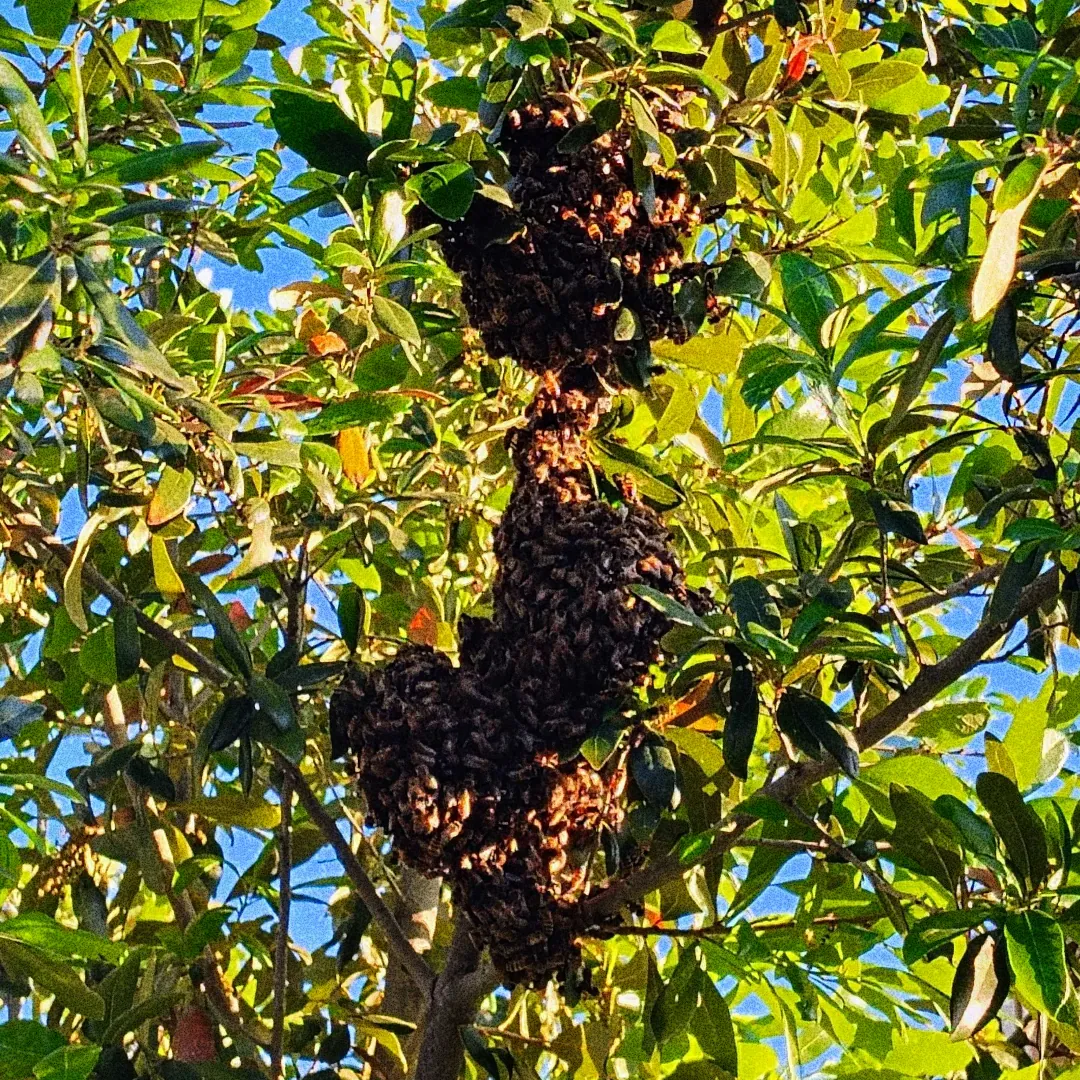
- A large clump of bees on a branch
- Bees repeatedly flying to and from the same spot in the tree
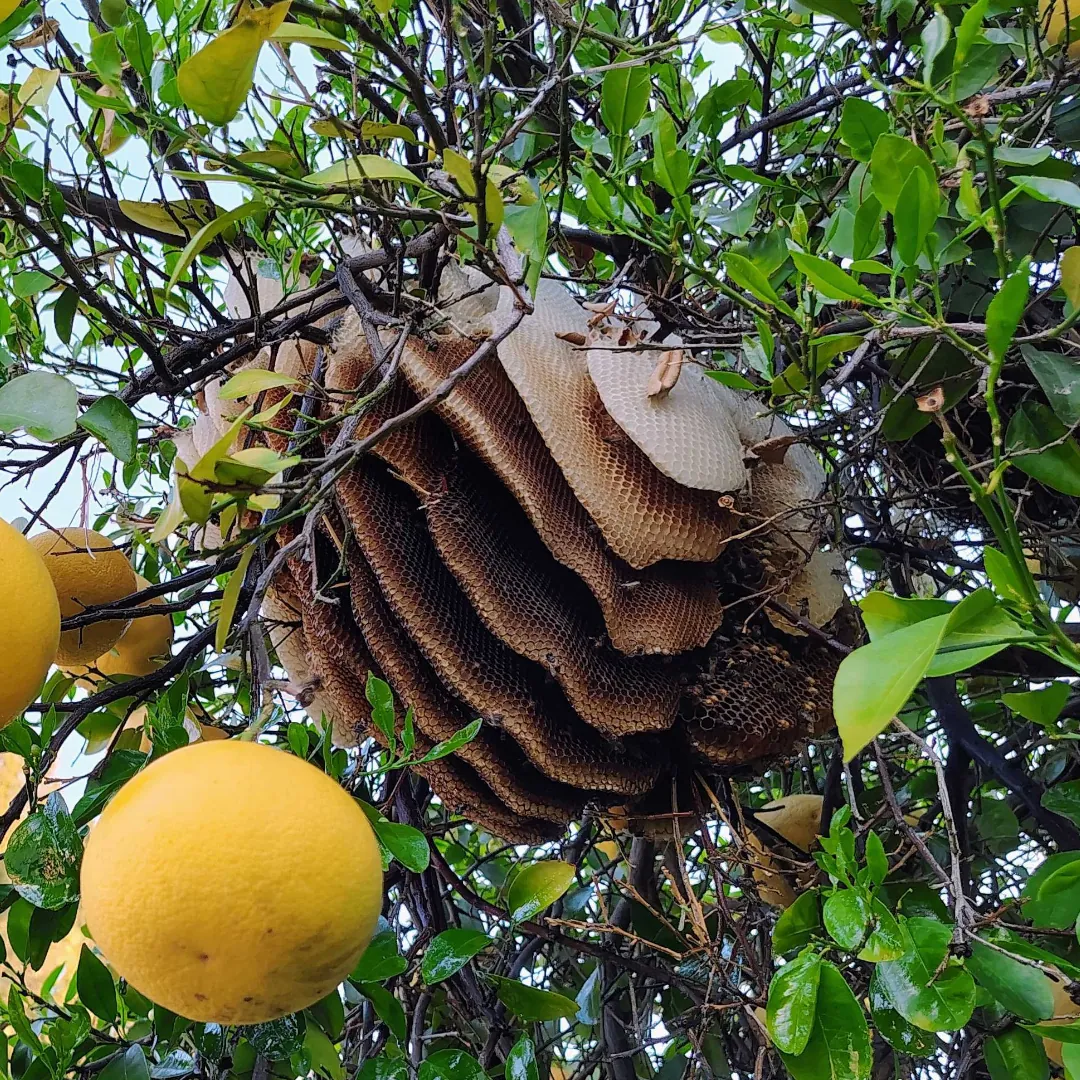
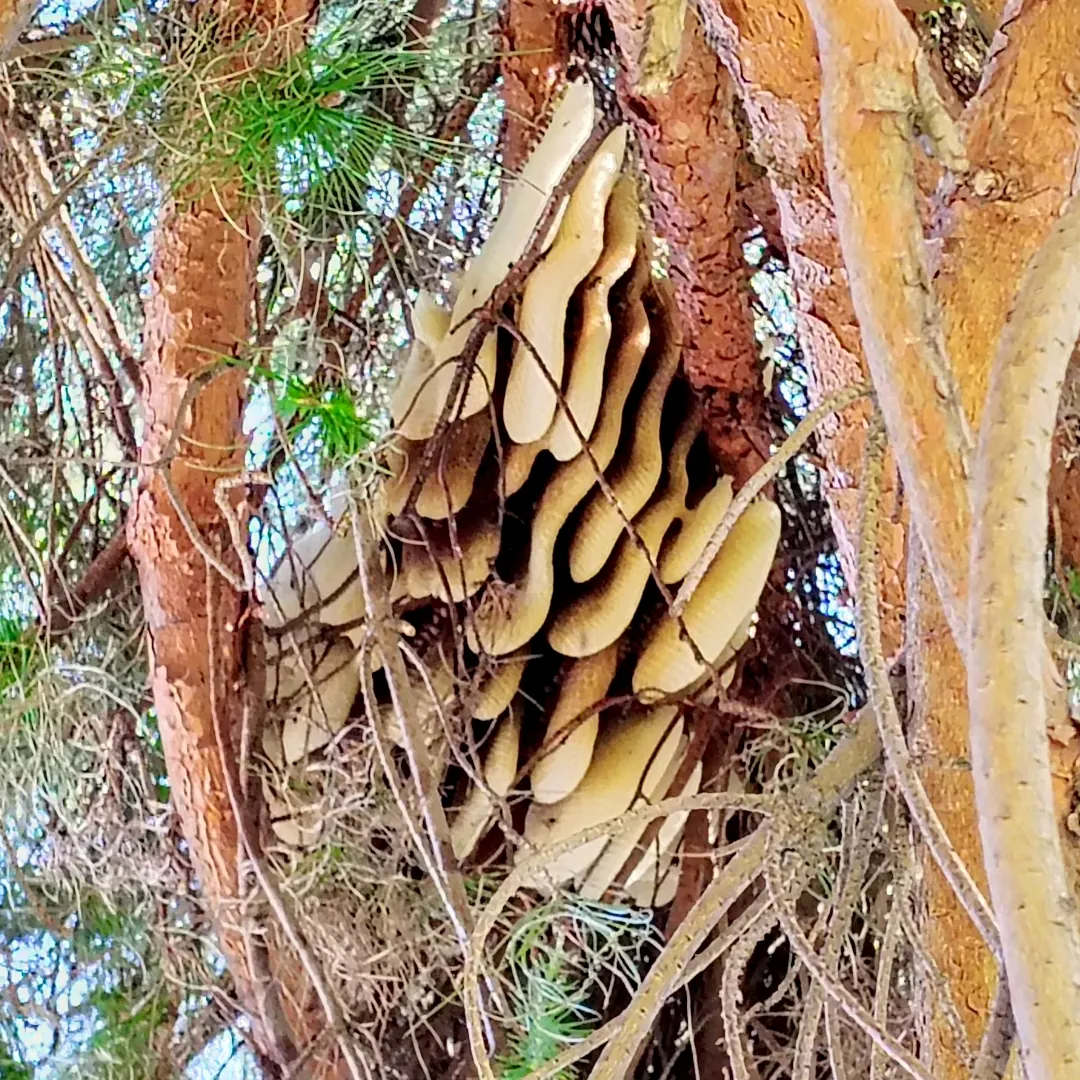
- Visible honeycomb forming on branches
- Increased bee activity around the yard or nearby structures
- Bees staying in the same location for more than 24 to 48 hours
Where Were the Bees Located?
In these cases, the bees were found either clustered on tree branches as a swarm or actively building hives directly within the tree. Some colonies begin as temporary clusters but remain long enough to establish exposed comb.
Trees provide shade, elevation, and protection, making them a common starting point for bee activity in Phoenix neighborhoods.
While swarms may appear harmless at first, they can become a long-term issue if the colony decides to stay and expand.
Why This Happens So Often in Phoenix
- Trees provide shade and shelter during hot weather
- Branches offer stable locations for swarms to gather
- Warm temperatures allow bees to remain active for much of the year
- Some swarms begin building exposed comb directly on limbs
Are Bees in Trees Dangerous?
In Phoenix and throughout the East Valley, bees in trees are one of the most common outdoor bee situations homeowners encounter.
While swarms are often calmer than established colonies, they are still unpredictable and can become defensive if disturbed. If the bees begin building a hive, the risk increases as the colony grows larger.
Many bee colonies in Phoenix involve Africanized honey bees, which can respond aggressively when threatened.
Potential Problems
- Unpredictable swarm behavior near people, pets, or walkways
- Colonies becoming more aggressive as they establish a hive
- Bees spreading from trees to nearby structures
- Risk for children and pets playing near the tree
- Hive growth if the swarm does not leave
🚨 Bees in Your Tree Right Now?
If bees are staying in the same tree or returning to the same branch, the colony may already be establishing itself. Early removal is the best way to prevent the problem from spreading.
📞 Call Now: (623) 289-3375. Same-Day Service AvailableHow We Handled This Bee Removal
For these jobs, our technician performed targeted treatment and removal to safely eliminate the active bee population in the tree. Because some colonies were swarms and others had already begun forming exposed hives, the process depended on how long the bees had been there and how developed the comb was.
Inspect the Tree
We determined whether the bees were swarming temporarily or beginning to establish a permanent hive.
Identify Bee Activity
We located where bees were clustering and whether comb had formed on branches.
Remove the Colony
We used professional removal methods to eliminate or safely remove the active colony.
Evaluate Cleanup Needs
We evaluated whether exposed comb or hive material needed to be removed to prevent future problems.
Do You Always Need to Remove the Honeycomb?
Not every bees-in-tree situation involves honeycomb. If the bees are only swarming temporarily, there may be no comb at all. But if they begin building a hive on the branch, removing exposed comb is often recommended.
Leaving comb behind can attract pests or encourage future bee activity in the same location. We always provide honest recommendations based on how established the colony is.
If Comb Is Left Behind
- Future bee colonies may return to the same branch
- Wax and residue can attract ants and other pests
- The hive site may remain attractive to swarms later
How to Prevent Bees from Returning
After the bees are removed, prevention depends on whether the colony was only swarming or had already begun building comb. Trees should be monitored during swarm season, especially if bees have gathered there before.
Our team can also recommend follow-up steps if nearby structures or recurring bee activity suggest a larger pattern on the property.
Recommended Prevention Steps
- Remove exposed comb if a hive has already formed
- Monitor the tree for renewed activity in spring and summer
- Watch nearby structures for bees relocating from the tree
How Much Does Bee Removal From a Tree Cost?
The cost of removing bees from a tree in Phoenix depends on size, height, and accessibility.
Larger hives or difficult-to-reach branches may require additional time and equipment, which can affect pricing.
We always provide clear recommendations and pricing before any work is performed.
What Affects Price
- Size of the swarm or hive
- Height and accessibility of the tree branch
- Whether exposed comb has already formed
- Location of the tree near homes, walkways, or activity areas
Same-Day Bee Removal in Phoenix
If bees are clustering in your tree, the situation can change quickly. What may look like a temporary swarm can turn into a permanent hive in a matter of days.
Acting early can prevent the colony from spreading to nearby structures or becoming more difficult to remove.
At Busy Bee Pest Solutions, we offer same-day service throughout Phoenix, experienced technicians trained in outdoor and structural bee removal, safe and effective treatment methods, and honest recommendations with no pressure.
Learn more about our professional bee removal in Phoenix, explore our live bee removal options, or if you’re in the East Valley, visit our Mesa bee removal services page for same-day service availability.
📞 Call now for fast, professional bee removal in Phoenix. We can often be there the same day.
Frequently Asked Questions About Bees in Trees
Are bees in a tree dangerous?
Sometimes. A swarm may be calmer than an established hive, but bees in trees can still become defensive, especially if disturbed or if the colony begins building comb.
Will a bee swarm in a tree leave on its own?
Sometimes, yes. But if the bees remain in the same spot and begin building comb, they are no longer just passing through and should be professionally removed.
Do you remove hives from tree branches too?
Yes. We handle both temporary swarms and established hives attached to tree branches.
Do you service Mesa and the East Valley?
Yes. We provide same-day bee removal throughout Phoenix, Mesa, and surrounding areas.