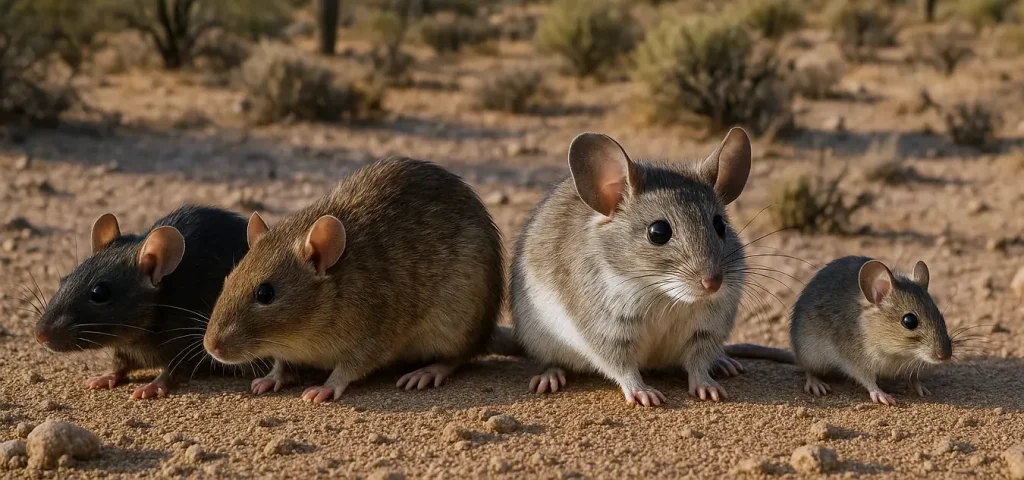
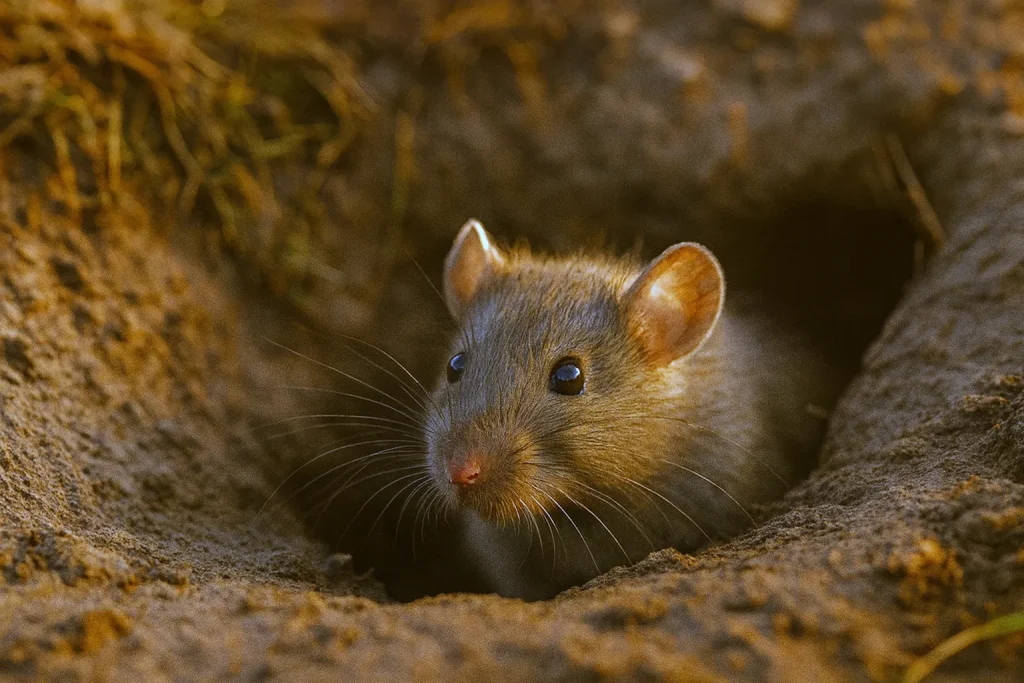
If something chewed the wiring in your vehicle in the Phoenix area, the most likely culprit is a pack rat, the white-throated woodrat. Engine bays offer warmth, shelter and enclosed cavities, and a parked car in a desert-edge neighbourhood is functionally a hollow rock with a heater in it.
Why pack rats and not roof rats
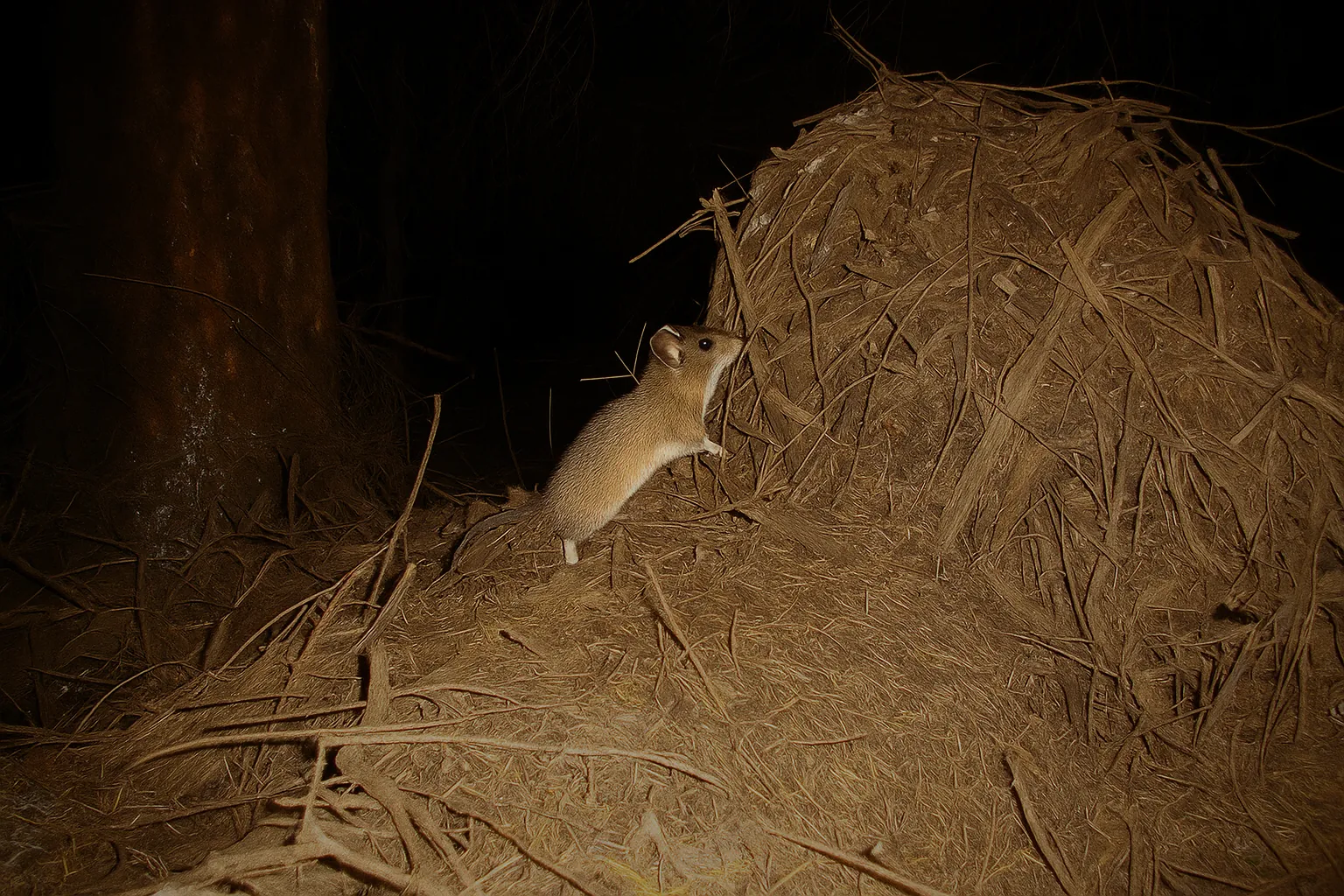
Roof rats live above ground and rarely enter vehicles. Pack rats are ground-dwelling hoarders that build middens, large debris nests of cactus segments, twigs, and anything else portable, in protected cavities. An engine bay, a wheel well liner, or the space above a fuel tank all qualify.
The hoarding behaviour is the giveaway. Pack rats collect shiny and novel objects, so alongside the nesting material you will often find bottle caps, bits of foil, screws and pet food. If you open a hood and find a pile of cholla joints and debris, that is a woodrat, not a rat that wandered in.
The soy-based insulation question
You will read that manufacturers switched to soy-based wire insulation and that this caused the problem. The picture is more complicated than the internet suggests. Rodents chewed wiring long before soy-based insulation existed. Gnawing is how rodents manage continuously growing incisors, and a wiring harness is a conveniently sized object to gnaw.
What is fair to say is that modern bio-based insulation is at minimum no deterrent, and vehicles left parked for long periods in rodent habitat are at real risk regardless of what the insulation is made of. Treat parking location and habitat as the variables you can control.
Where the damage usually is
- The main engine bay harness, especially where it runs along the firewall.
- Oxygen sensor and injector wiring. Thin, accessible, and expensive to replace.
- Cabin air filter housing, a common nest site with easy access from the cowl.
- Under the intake manifold cover, where the cavity is warm and completely hidden.
- Hood and wheel-well insulation, shredded for nesting material.
- Above the fuel tank on trucks and SUVs with body-on-frame construction.
Symptoms are usually electrical and confusing: an intermittent check-engine light, a sensor fault that does not match any mechanical problem, a rodent smell through the vents, or a no-start.
What actually reduces the risk
- Park inside where possible, and keep the garage clear of stored cardboard, seed and pet food.
- Do not leave a vehicle parked for weeks in the same spot near a wash, greenbelt or desert edge. Moving and running a vehicle regularly disrupts nest building.
- Remove middens near parking areas. Under sheds, woodpiles, stored patio furniture and boulders.
- Open the hood periodically if a vehicle sits. Finding debris at week one is a very different repair from finding it at week six.
- Skip the home remedies. Peppermint oil, dryer sheets and ultrasonic devices do not produce reliable results, and rodenticide in an engine bay creates a carcass you cannot reach.
Habitat is the lever that works. A property with active pack rat middens will keep producing vehicle damage no matter what is sprayed under the hood. See pack rat removal in Phoenix.
Frequently Asked Questions
What rodent chews car wiring in Arizona?
Most often the white-throated woodrat, commonly called a pack rat. They nest in enclosed cavities like engine bays and wheel wells and gnaw wiring while nesting. The distinctive sign is a debris midden containing cactus segments, twigs and collected shiny objects.
Does car insurance cover rodent damage to wiring?
Comprehensive coverage often does cover rodent damage, unlike most homeowners policies. Coverage varies by carrier and policy, so confirm with your insurer, and note that repairs to a modern wiring harness can run into thousands of dollars.
Do peppermint oil or ultrasonic devices keep rats out of cars?
We have not seen reliable results from either. Rodents habituate quickly to both scent and sound deterrents. Removing the nesting habitat near where the vehicle is parked is far more effective than anything applied inside the engine bay.
Is it safe to use rat poison in an engine bay?
No. A poisoned animal typically dies inside the vehicle cavity where it cannot be retrieved, leaving an odour problem that persists for weeks and may require partial disassembly. We do not place bait in vehicles.
How do I know if a pack rat is living in my car?
Open the hood. A midden is unmistakable, a heaped pile of twigs, cactus joints, leaves and collected debris, usually with shredded insulation. You may also notice a strong musky odour, droppings on the engine cover, or debris on the ground beneath the vehicle.