Most homeowners policies exclude rodent damage. Insurers generally treat infestation as a maintenance issue, something a homeowner is expected to prevent, rather than a sudden accidental event. There are meaningful exceptions, and knowing where the line falls is what determines whether a claim is worth filing.
Why the exclusion exists
Homeowners policies are built to cover sudden and accidental losses. Rodent damage typically develops over weeks or months, and carriers take the position that the resulting damage was preventable through reasonable maintenance. Most policies name vermin, rodents or insects directly in the exclusions section.
Read your own policy rather than relying on a general rule. Language varies between carriers, and Arizona policies are not uniform.
Where coverage sometimes does apply
The distinction insurers draw is usually between the damage rodents did and a separate covered event the rodents caused. Situations worth asking about:
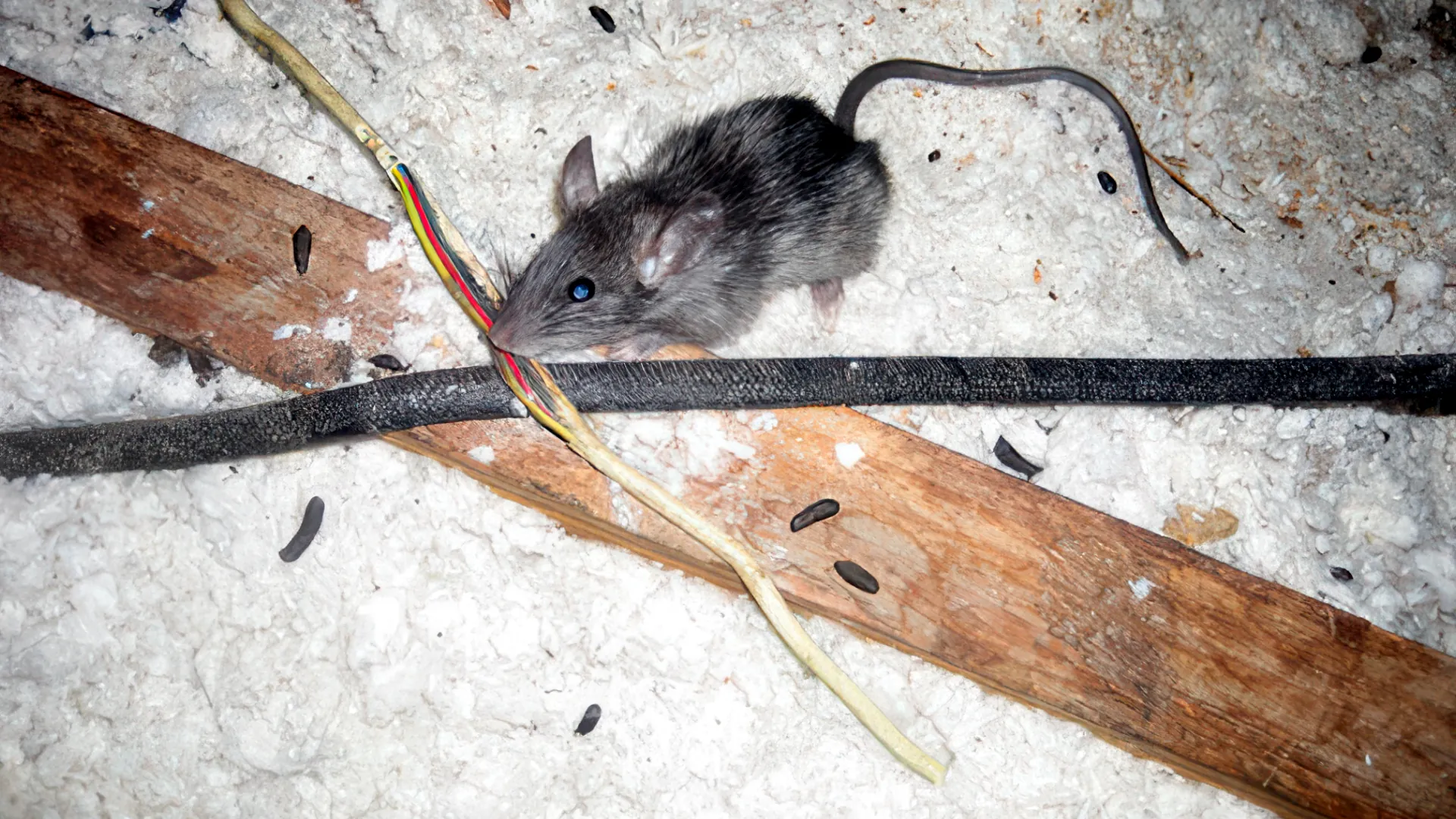
- Fire from chewed wiring. The chewed wire itself is generally excluded, but fire is a named peril in virtually every policy. Damage caused by the resulting fire is often covered even where the rodent damage is not.
- Water damage from a chewed supply line. Some policies cover sudden and accidental water discharge even when a rodent caused it, and some specifically exclude it. This one turns entirely on policy wording.
- Ensuing loss provisions. Many policies exclude the cause but cover consequential damage. This is the clause your adjuster will be reading.
- Collapse provisions, in rare structural cases.
- Comprehensive auto coverage, which frequently does cover rodent damage to vehicle wiring, unlike home policies. Worth checking separately.
What is almost never covered
- Attic decontamination and sanitation
- Insulation removal and replacement due to contamination
- Trapping, removal and exclusion work
- Repair of gnawed structural material and ductwork
- Odour remediation
Practical steps if you are considering a claim
- Document before anything is disturbed. Photograph the damage, the droppings, the entry points and the affected materials, with dates.
- Keep every invoice from pest control, remediation and repair.
- Read the exclusions section yourself before you call, and locate the ensuing-loss language.
- Report a fire or water event promptly. Late reporting is itself a basis for denial.
- Ask your agent a hypothetical first. A general coverage question is not a claim, and in many cases you will learn what you need without opening one.
- Weigh a small claim carefully. A denied or small claim can still affect your record and renewal pricing.
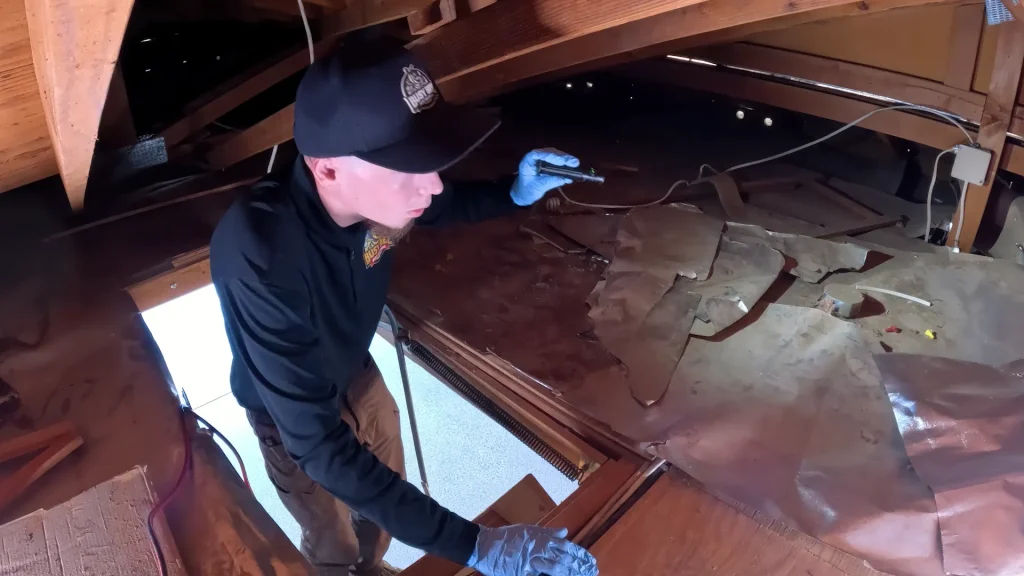
We are not insurance advisors and cannot tell you whether your loss is covered. Only your policy and your carrier can. What we can do is document conditions thoroughly for your file, which is often what an adjuster asks for.
The prevention argument
Because most of this is excluded, the economics favour prevention heavily. A standard rodent service is $245 with $95 follow-ups, and exclusion work is quoted per structure. Against that, attic decontamination with insulation replacement, chewed wiring repair, and ductwork replacement add up quickly, and the insurer is unlikely to be part of the conversation.
Frequently Asked Questions
Does homeowners insurance cover rat damage?
Usually not. Most policies exclude damage caused by rodents, vermin and insects on the basis that infestation is a maintenance issue rather than a sudden accidental loss. Read your policy exclusions, since carrier language varies.
Does insurance cover a fire started by rats chewing wiring?
Often yes, even where the chewed wire itself is excluded. Fire is a named peril in nearly every homeowners policy, and many policies contain ensuing-loss provisions that cover consequential damage even when the originating cause is excluded. Confirm with your carrier.
Is attic decontamination after rodents covered by insurance?
Almost never. Sanitation, insulation replacement due to contamination, trapping, exclusion and odour remediation are typically treated as maintenance and excluded. This is generally an out-of-pocket cost.
Does car insurance cover rodent-chewed wiring?
Comprehensive auto coverage frequently does cover rodent damage, which differs from most home policies. Coverage varies by carrier and policy, so confirm with your insurer. Wiring harness repairs on modern vehicles can be expensive.
Should I file a claim for rodent damage?
Consider asking your agent a general coverage question before opening a claim, since most rodent damage is excluded and a denied or small claim can still affect your renewal. Document everything with dated photographs and keep all invoices either way.