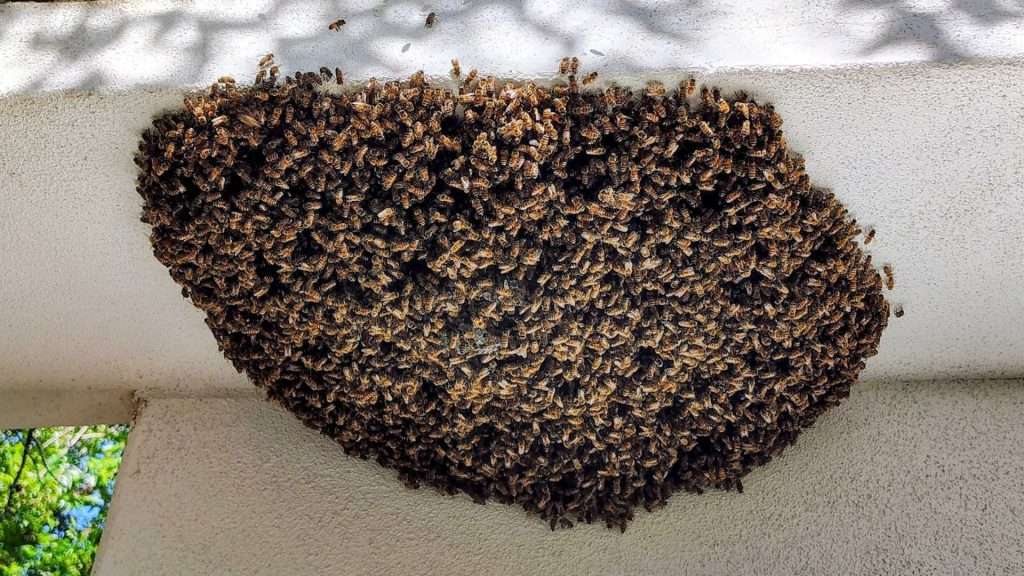
Seeing a large group of bees suddenly gather on a tree, fence, or wall can be unsettling. In Phoenix, this is usually a bee swarm. A natural and temporary phase in a colony’s lifecycle.
Understanding what a swarm is and how to respond can help you stay safe and prevent the situation from turning into a structural hive.
Why Bee Swarms Happen
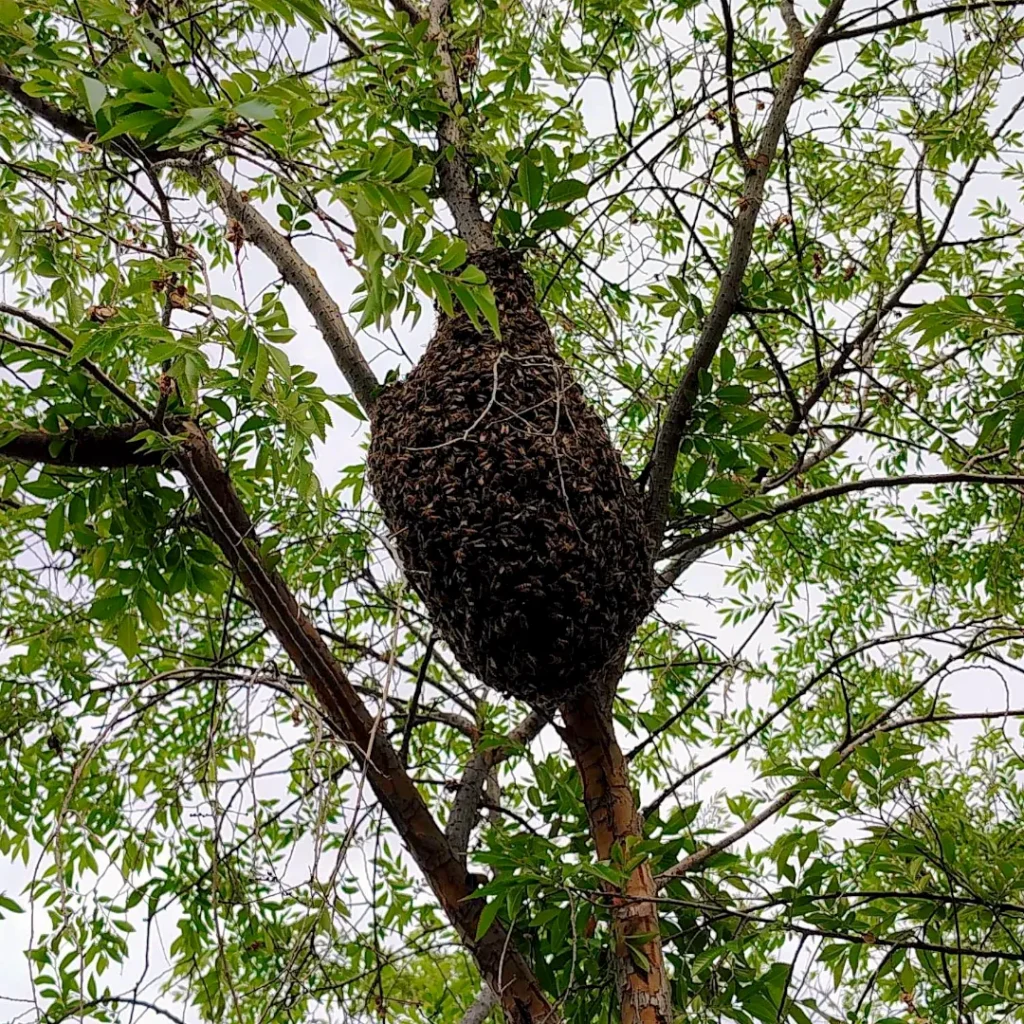
A swarm forms when a colony becomes too large and splits. The original queen leaves with thousands of worker bees to find a new home.
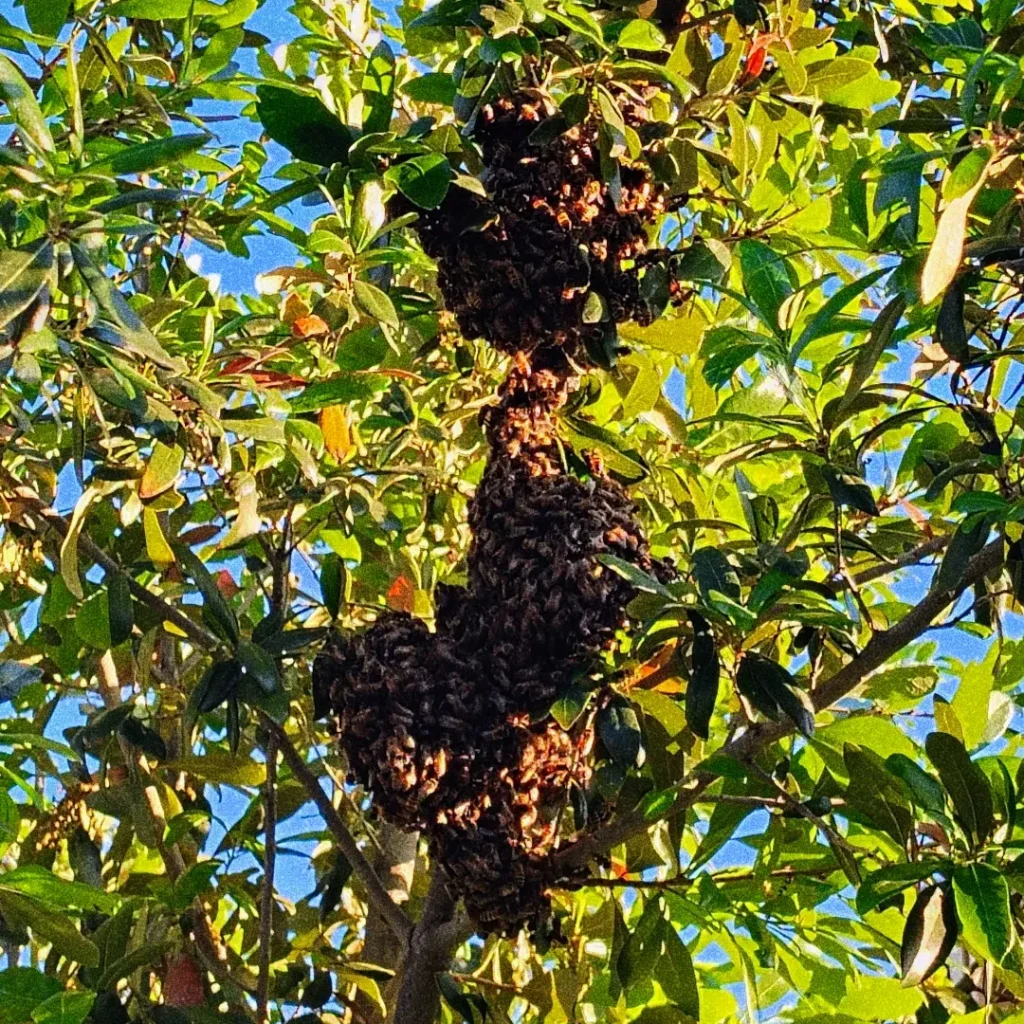
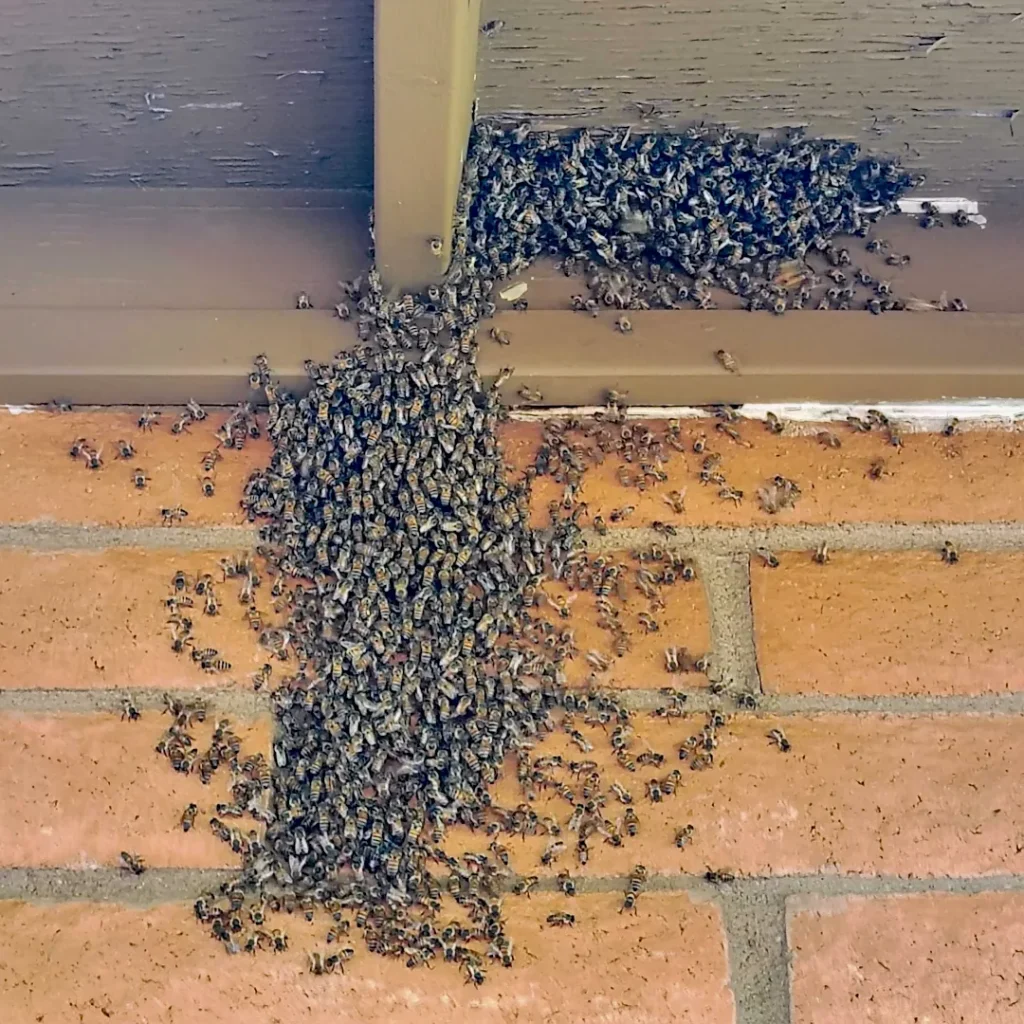
Before settling permanently, the bees will often stop and cluster in one location for several hours, or sometimes a couple of days, while scout bees search for a suitable nesting site.
In Phoenix, swarms are most common in spring and early summer, when conditions support rapid colony growth.
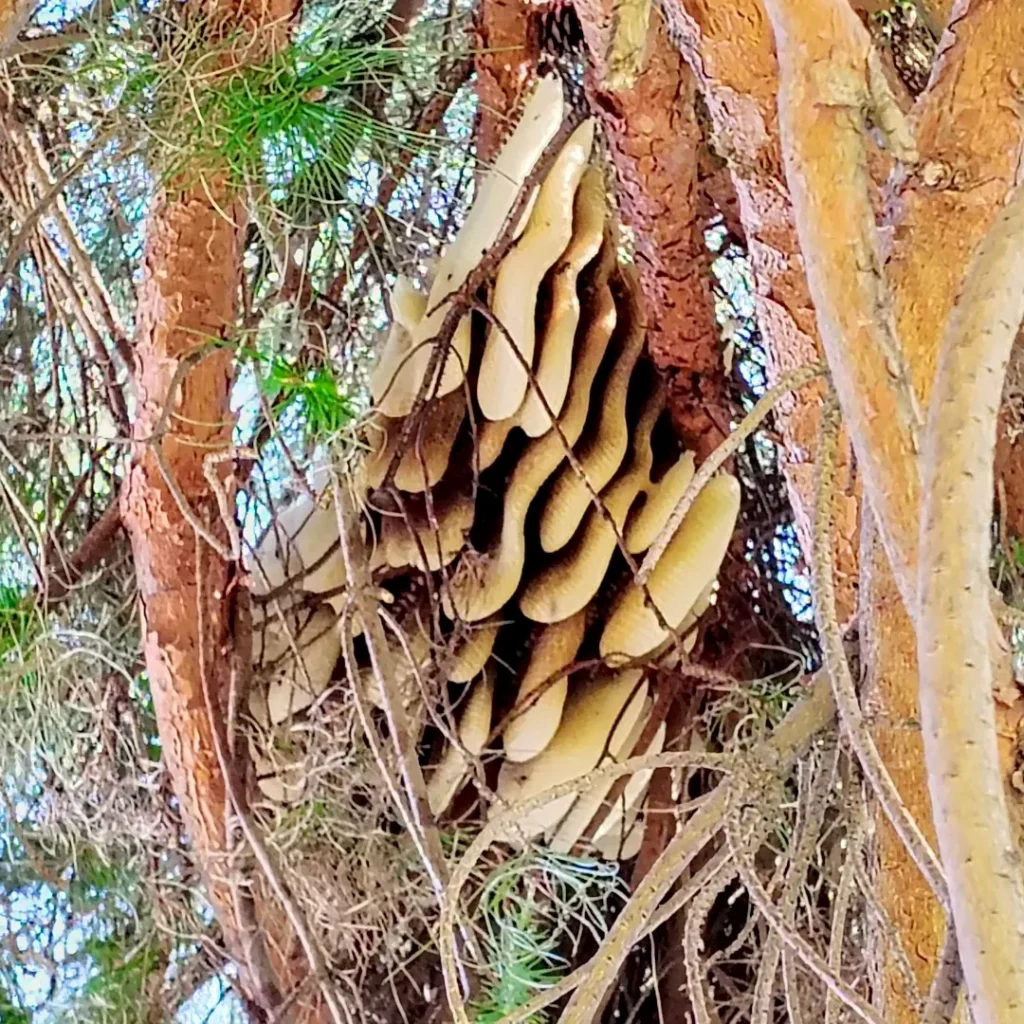
Are Bee Swarms Dangerous?
Most swarms are less aggressive than established hives because they are focused on relocation rather than defense.
However, that doesn’t mean they’re harmless:
- Many bees in Arizona carry Africanized genetics
- Behavior can change quickly if the swarm is disturbed
- Swarms can move into structures if left alone
The safest approach is always to observe from a distance and avoid interaction.
What to Do If You See a Swarm
If you notice a cluster of bees forming on your property:
1. Keep Your Distance
Stay back and keep children and pets away. Do not attempt to touch, spray, or disturb the bees.
2. Do Not Use Water or Insecticides
Spraying a swarm can make bees defensive and more likely to sting. Store-bought products are also ineffective against large clusters and can cause the bees to relocate into your home.
3. Monitor the Situation
Some swarms will move on within a day. However, others may begin scouting entry points into walls, roofs, or attics.
4. Act Early if They Start Settling
If bees begin entering cracks, vents, or structural gaps, the situation is no longer temporary. Early removal is much simpler than dealing with an established hive.
If you’re unsure whether a swarm is temporary or starting to settle, it’s best to get a professional assessment:
👉 Request a professional bee swarm assessment in Phoenix
Why Timing Matters
A swarm sitting on a tree is usually a simple removal.
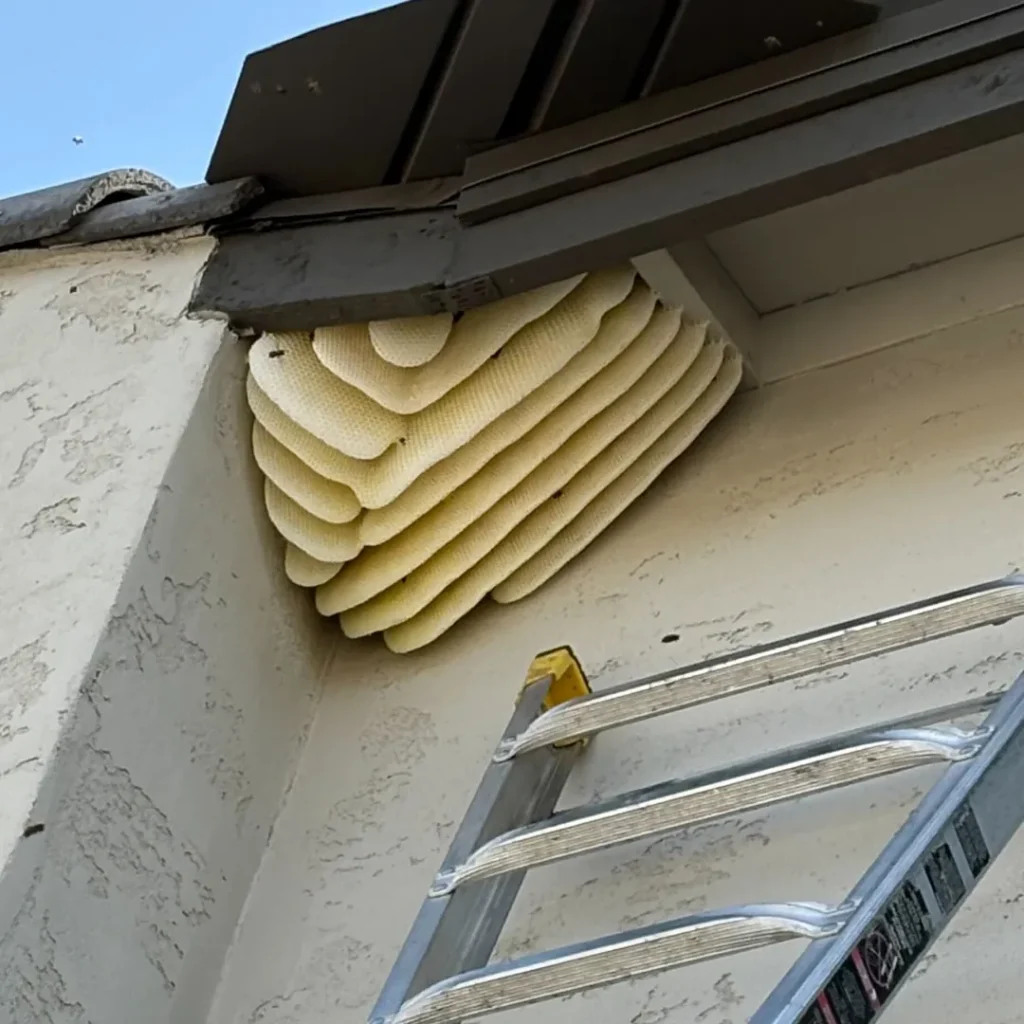
A swarm that moves into a structure becomes:
- more expensive to remove
- more time-consuming
- potentially damaging to walls, insulation, and roofing
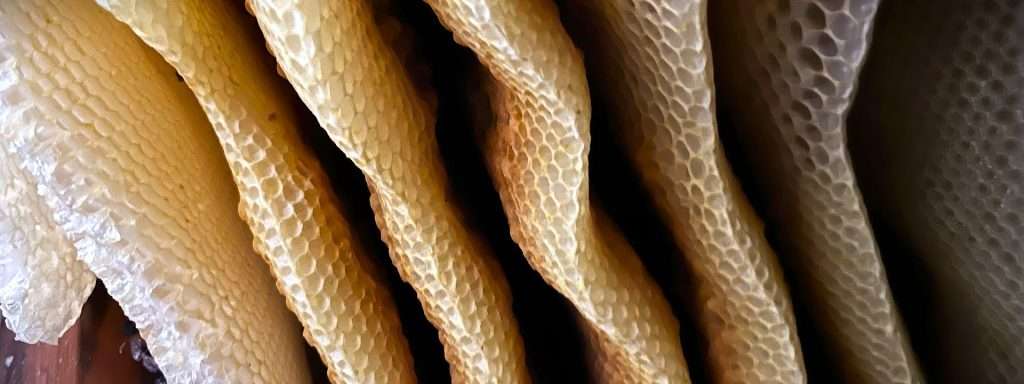
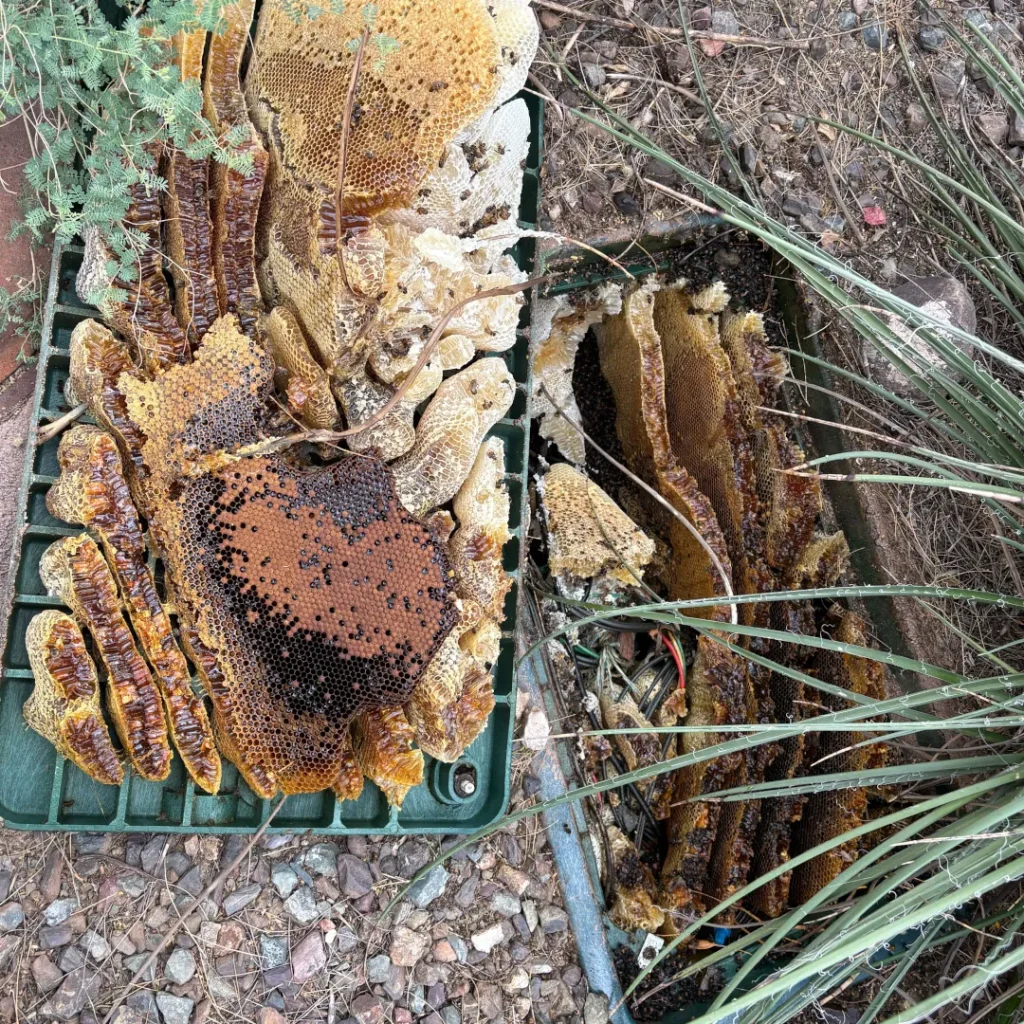
Once a hive is established, bees begin producing honeycomb, which can melt in Phoenix heat and attract pests like ants and roaches.
Can You Remove a Bee Swarm Yourself?
It’s not recommended.
Bee behavior is unpredictable, and without proper equipment and experience, attempting removal can:
- trigger defensive behavior
- cause the colony to relocate into your structure
- increase the risk of stings
Professional removal ensures the bees are handled safely and the area is properly cleared.
Will Bees Come Back?
They can. Especially if any honeycomb or scent remains.
In Phoenix, leftover hive material can attract new colonies to the same location. Proper removal includes eliminating these attractants and reducing the chances of repeat infestations.
Final Thoughts
Bee swarms are a normal part of life in Phoenix, but they shouldn’t be ignored. Acting early can prevent a temporary situation from becoming a larger structural problem.
If you’re dealing with a swarm or want to know whether action is needed, you can learn more about your options here:
👉 See your Phoenix bee removal options