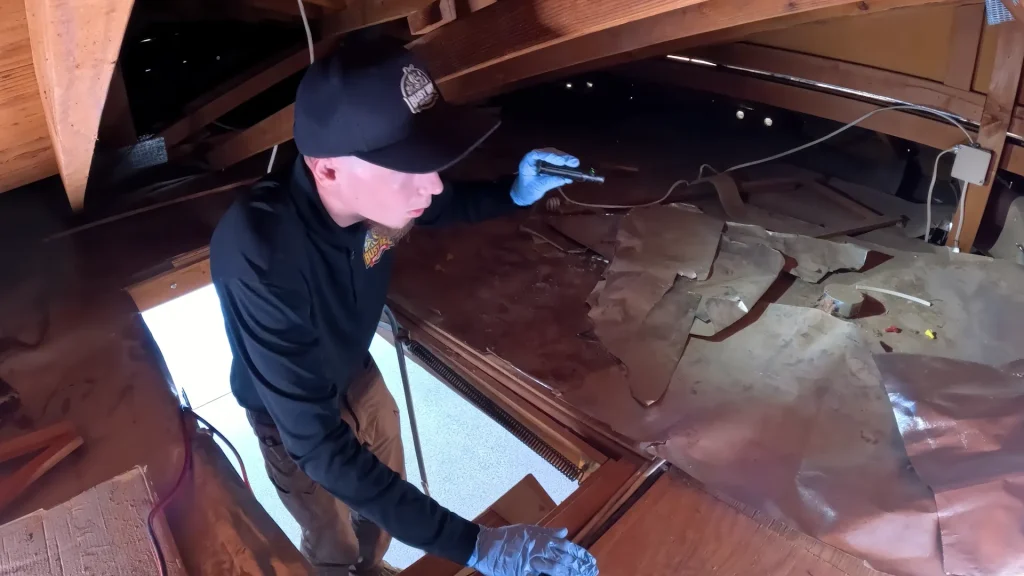
Rodent proofing sounds like a caulk gun and a free afternoon. It is not, and the reason is that not every gap on a house should be closed. Seal a rodent route and you have shut a road. Seal a vent that is doing a job and you have created a moisture problem in a roof space. Seal a gap that has bees or wasps going in and out of it and you have trapped a colony inside a wall, where the comb stays, the honey works through the stucco and the scent brings the next swarm to the same spot in spring. Getting the order and the category right is most of the work.
Three categories, not one
| Category | What it means | Examples |
|---|---|---|
| Seal | The gap has no function. Close it permanently. | Pipe and conduit penetrations, gaps at the wall plate, holes left by removed fittings, expansion joints at the house |
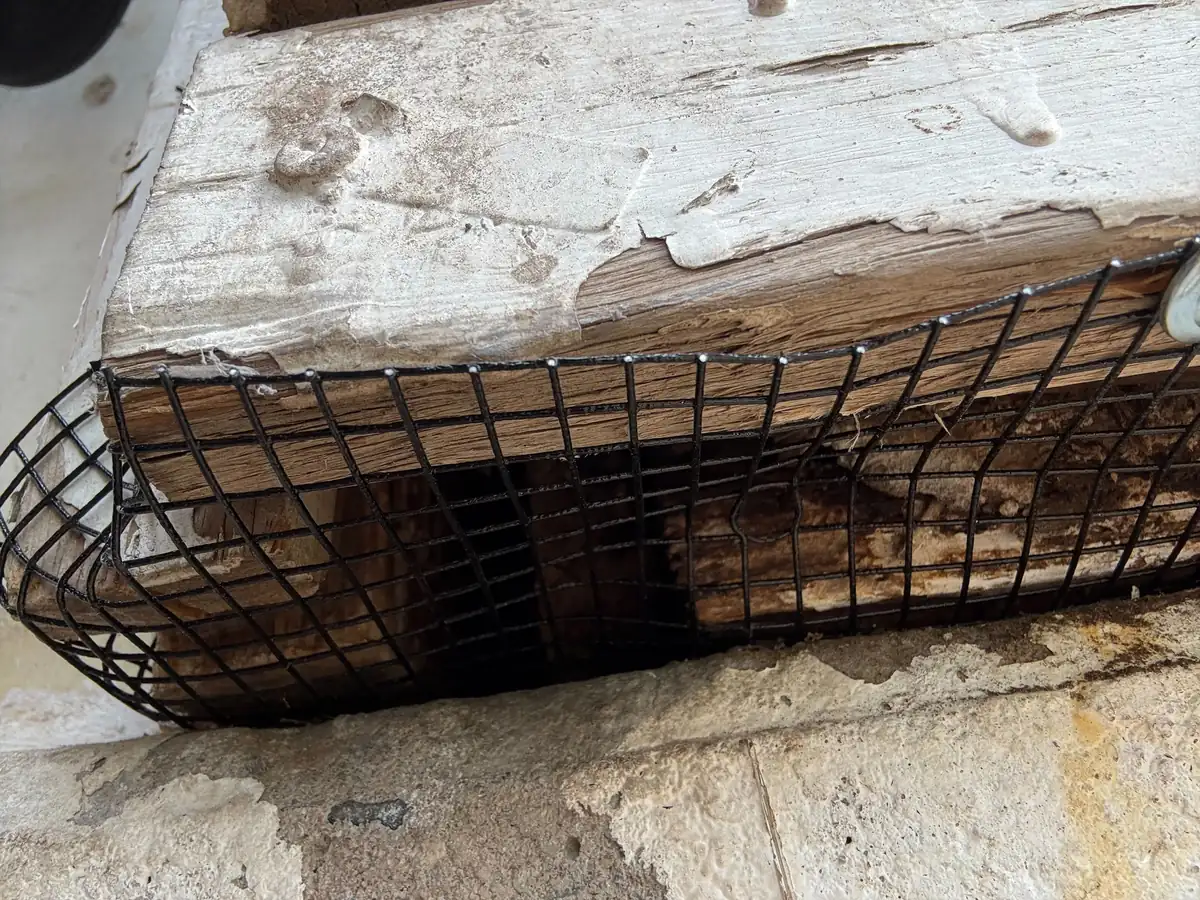
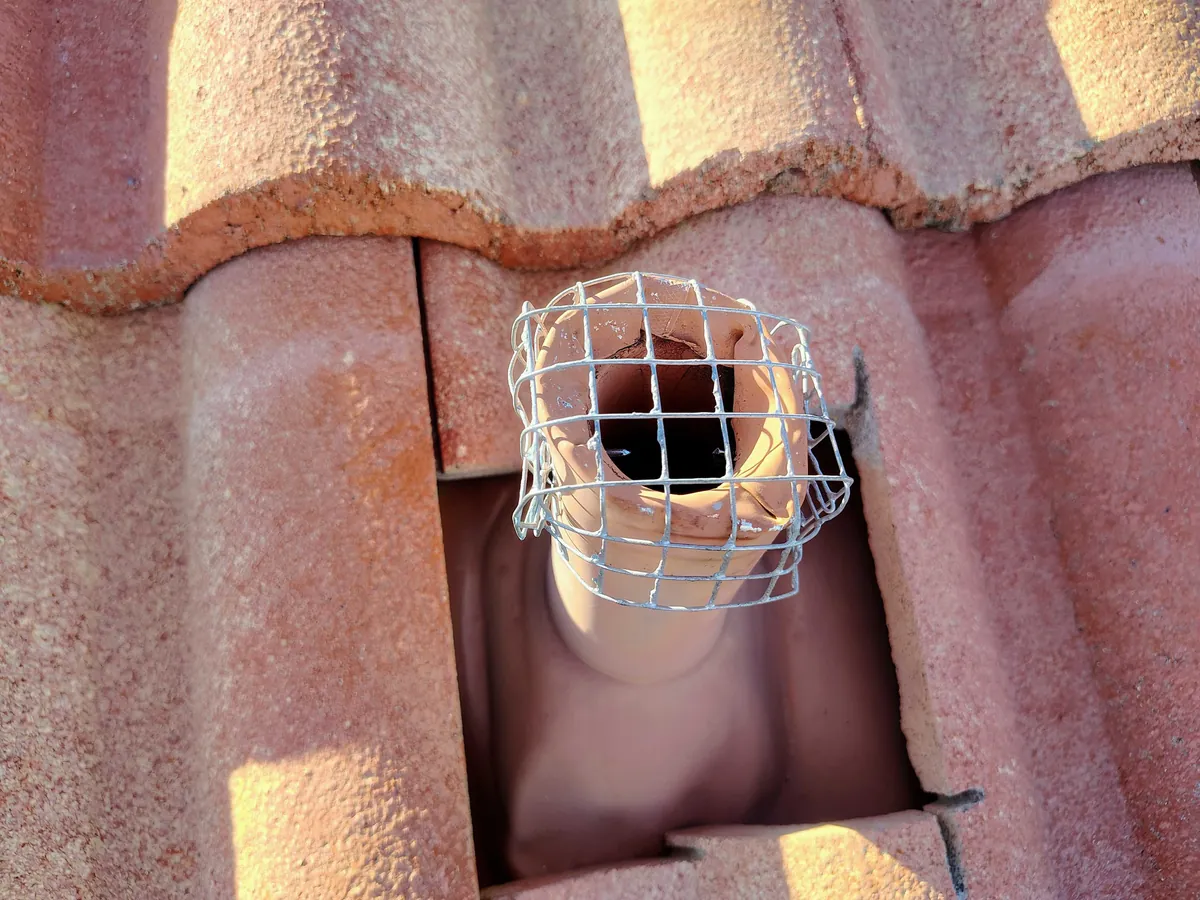
| Screen | The opening has a purpose. Keep the airflow, exclude the animal. | Gable and soffit vents, weep screed, attic ventilation, the tile roof eave channel |
| Leave alone for now | Something is using it that must come out first. | Any opening with two way traffic. Bees, wasps, birds, or an active rodent route mid treatment |
Every opening on the house belongs in one of those three, and a two minute look usually decides which.
How to tell which one you are looking at
Stand and watch it for two minutes in the middle of a warm day. In winter, give it ten minutes on a warm afternoon, because bee traffic is intermittent then.
- Steady two way insect traffic in a defined line means a colony. Leave it and get it identified.
- Nothing at all, and the opening is an attic vent or a screed, means screen.
- Nothing at all, and the opening has no purpose, means seal.
- Rub marks, droppings below it, or a worn edge means an active rodent route, which gets closed but only as part of a plan for whatever is currently inside.
Materials, and why foam fails
Expanding foam is the default because it is easy. It is also chewable. A rat will go through cured foam without much effort, and a foam plug that has been chewed and refilled twice is a permanent entry point with a cosmetic cover.
What holds:
- Copper mesh or stainless wool packed tightly into the void, then sealed over. The metal is what stops the chewing.
- Hardware cloth of a quarter inch or smaller, fixed mechanically rather than pushed into place.
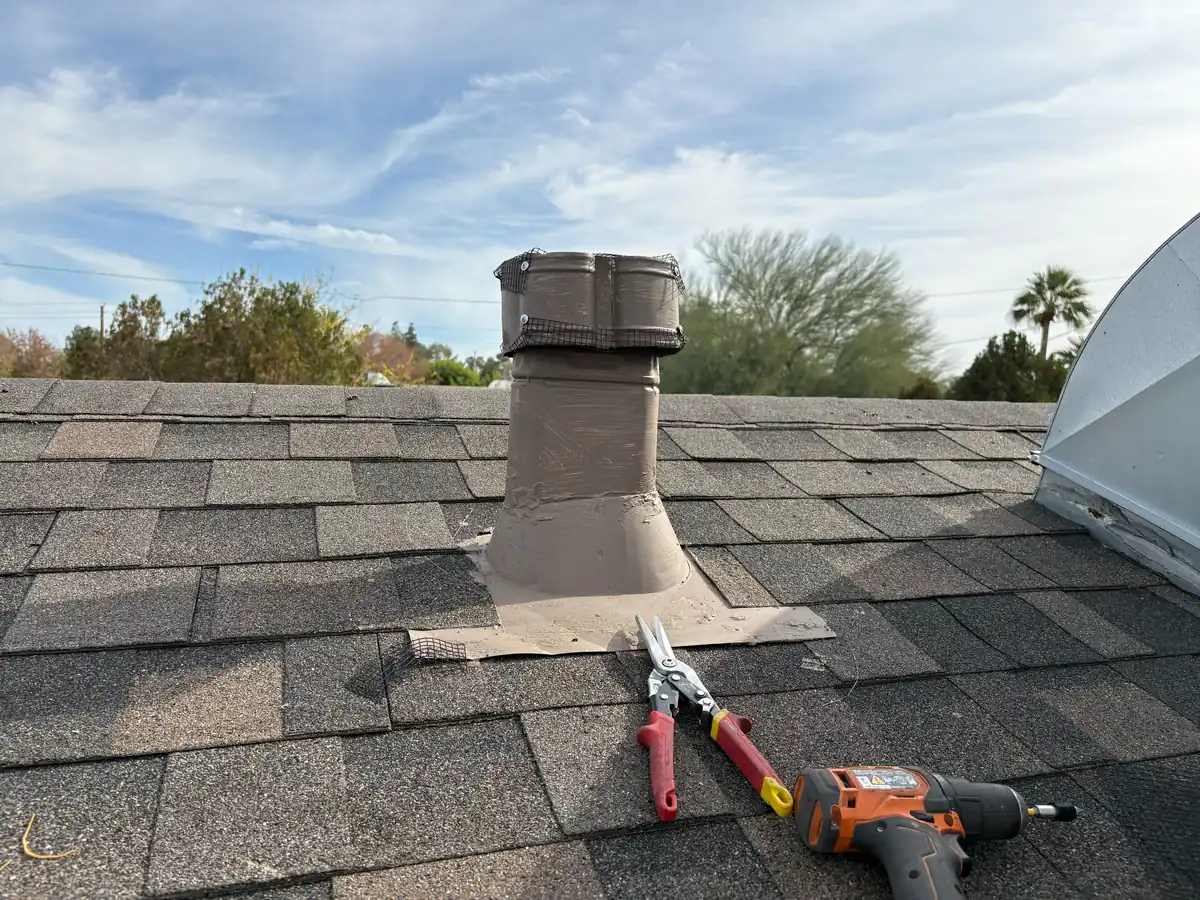
- Sheet metal or flashing for larger openings and for anything at a roof edge.
- Sealant over the top for weather, not for strength.
Insect screen does not hold a rodent. Neither does plastic mesh in Arizona sun, which degrades in a season or two.
Work the house from the roofline down
The order matters, because the traffic in autumn is coming from above.
- Roof. Plane junctions, the tile eave channel, the area around any solar array, ridge and gable vents, gaps at damaged flashing.
- Soffit and fascia. Gaps where the soffit meets the wall, and any vent screen that has lifted.
- Wall. Pipe, conduit and line set penetrations, hose bibs, the electrical service entry.
- Ground level. Weep screed, the garage door seal, exterior door sweeps, expansion joints against the slab.
- Attached structures. The garage into the house, and any shared wall with a casita or a shed.
What not to do
Do not close the last opening while animals are still inside. An attic with one remaining route and a live population produces a dead rat in a wall cavity, which is a worse problem than the one you started with and lasts weeks. The sequence is trapping first, then sealing and screening once the rodents are out.
Do not seal an active bee or wasp entrance under any circumstances. This is the one that costs the most to undo. A colony that cannot use its entrance does not leave. It works further into the structure, often into the living space, and the nest stays in the cavity either way. The University of Arizona Cooperative Extension lists wall voids, roof spaces, chimneys and valve boxes among the standard nesting sites here, and all of them share the same problem once they are closed with something inside.
And do not seal a working vent. Attic ventilation is doing a structural job in a climate where roof temperatures are extreme. Screen it, do not close it.
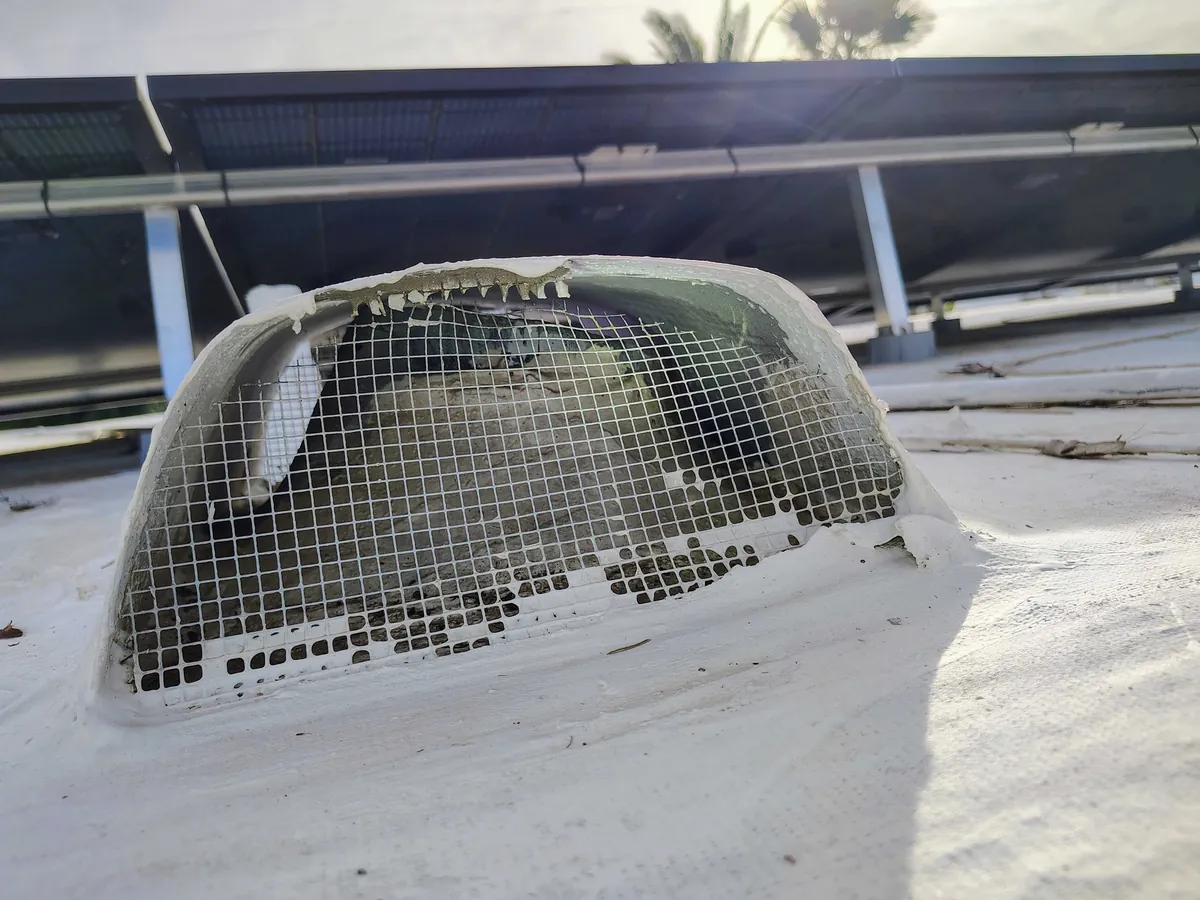
What a homeowner can reasonably do
Plenty, actually, and it is the highest yield part of the list.
- Replace the garage door bottom seal and side weatherstrip
- Fit door sweeps on every exterior door
- Pack and seal every pipe penetration you can reach from the ground
- Store pet food, bird seed and grass seed in metal or hard plastic
- Trim every branch off the roofline and the walls
What is worth handing over is anything on the roof, anything around a solar array, and anything where you are not sure what is using the gap.
The short answer
Rodent exclusion is a sorting job before it is a sealing job. Put every opening into seal, screen or leave alone, watch anything you are unsure about for a few minutes, ten in winter, before you touch it, use metal rather than foam, and work from the roofline down. The one rule that never bends is that you do not close a hole with something living behind it.
Frequently Asked Questions
Should every gap on the house be sealed?
No, and that is the whole point. Every opening belongs in one of three categories. Seal a gap with no function, screen an opening that is doing a job such as an attic vent, and leave alone anything with something living behind it until that is dealt with.
What happens if I seal a hole with bees or wasps using it?
They do not leave. A colony that loses its entrance works further into the structure and frequently into the living space, and the comb and honey stay in the cavity either way. Sealing an active entrance is the single most damaging thing a homeowner can do, and it is the most common.
Why does expanding foam not work?
It is chewable. A rat goes through cured foam without much effort and a plug that has been chewed and refilled twice is a permanent entry point with a cosmetic cover. Pack copper mesh or stainless wool into the void first, then seal over the top for weather.
In what order should the house be worked?
From the roofline down. Roof plane junctions, the tile eave channel, the area around any solar array, then soffit and fascia, then wall penetrations, then ground level. Autumn traffic is coming from above, so working bottom up misses the live routes.
Can I do any of this myself?
Plenty of it, and it is the highest yield part of the list. Replace the garage door bottom seal and side weatherstrip, fit sweeps on every exterior door, pack and seal every pipe penetration you can reach from the ground, store feed in metal or hard plastic, and trim every branch off the roofline. Hand over anything on the roof, anything around a solar array, and anything where you are not sure what is using the gap.