Every spring in Phoenix, it happens again.
A low humming appears over a backyard. A cloud gathers near a mesquite tree. Neighbors stop mid-conversation and point upward while someone inevitably says:
“Why are there suddenly… thousands of bees?”
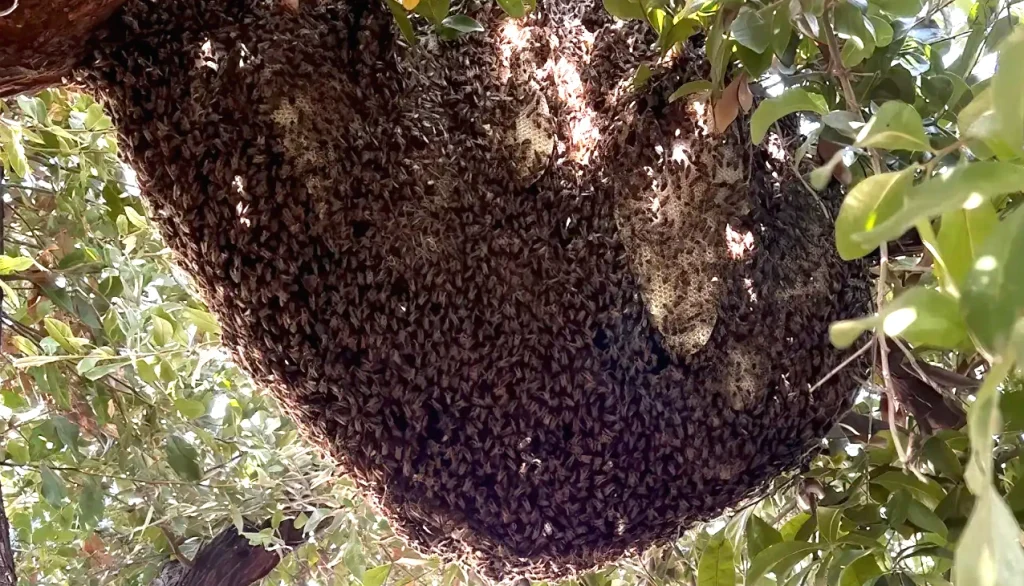
What you’re seeing is usually a bee swarm. And while it can look dramatic, a swarm is often just a colony in transition, searching for a new place to live.
The important part?
If they choose your wall, roofline, attic, or block fence as that new home, the situation changes fast.
That’s why early swarm relocation matters.
Why Swarms Should Be Removed Early
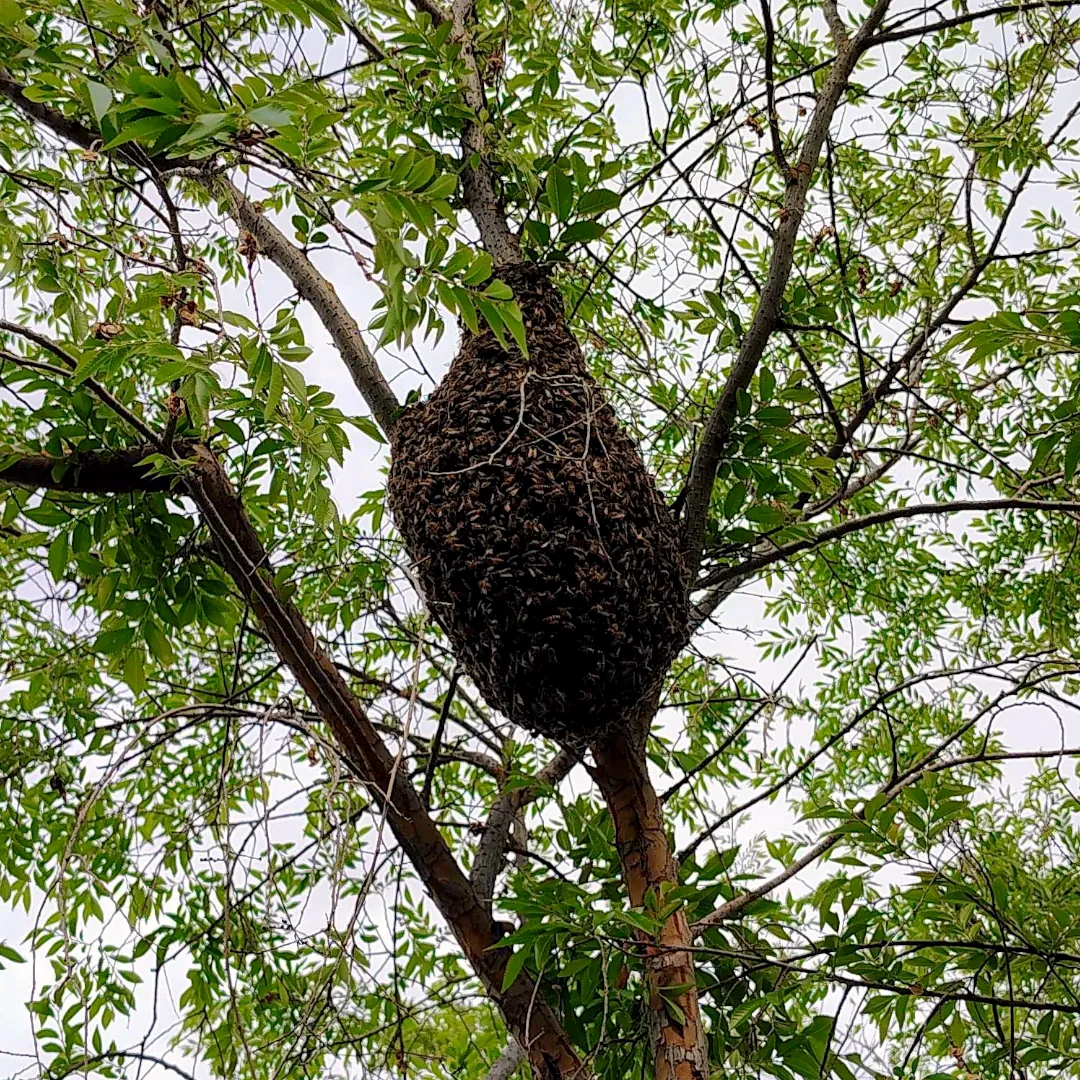
A swarm hanging from a tree branch today can become a structural hive tomorrow.
In Phoenix, bees commonly move into:
- Block walls
- Attics
- Roof voids
- Eaves and fascia gaps
- Stucco cavities
- Irrigation boxes and utility areas
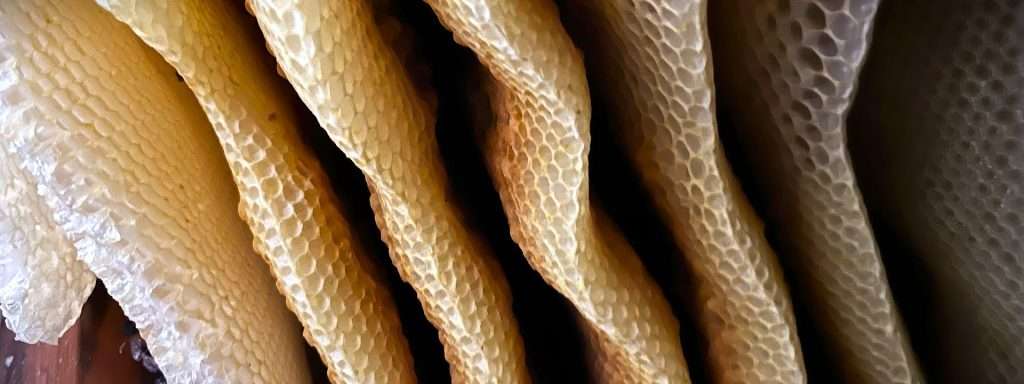
Once a colony settles inside a structure, removal becomes far more involved because honeycomb, brood, and residual scent all need to be addressed properly.
What starts as a temporary cluster can quietly become a large established hive hidden behind drywall or beneath roof tiles.
That’s why homeowners should act before the bees make that decision for them.
If you suspect a swarm may be settling in or around your property, start here:
👉 Phoenix bee swarm removal and relocation
Why Bee Swarms Happen in Phoenix
Swarms are part of how honey bees reproduce.
When a colony grows large enough, part of the hive leaves with a queen to search for a new nesting location. During that process, the bees temporarily gather together while scout bees search the area.
Phoenix creates ideal swarm conditions for much of the year, especially during warmer months when flowering plants and irrigation provide reliable resources.
Swarms often appear:
- In trees and bushes
- Under patio furniture
- Along fence lines
- Beneath roof overhangs
- On grills, sheds, and outdoor equipment
At this stage, swarms are often less defensive than established colonies.
But “less defensive” does not mean safe.
Arizona has a high presence of Africanized honey bee genetics, and behavior can shift quickly if the swarm feels threatened, disturbed, sprayed, or cornered.
Translation:
admire from a distance.
What Happens During Professional Swarm Relocation
Professional swarm relocation is designed to prevent escalation while keeping everyone safe.
Inspection
First, the swarm is evaluated for:
- Size
- Accessibility
- Activity level
- Nearby entry points
- Signs the bees may already be moving into a structure
This step matters because some “swarms” are actually early-stage structural infestations.
Removal or Relocation
If conditions allow, the cluster is carefully collected using specialized equipment and relocated away from residential areas.
The goal is to remove the bees before they disappear into walls, ceilings, or roofing systems.
Cleanup & Prevention
Residual pheromones and early comb buildup can attract future swarms to the same exact location.
Proper cleanup helps reduce the chances of repeat activity.
If needed, vulnerable gaps or entry points may also be identified so the problem doesn’t quietly return a few weeks later.
Signs a Swarm Needs Immediate Attention
You may be dealing with a swarm if you notice:
- A dense cluster of bees hanging in one area
- Sudden heavy bee activity outdoors
- Loud concentrated buzzing near a structure
- Bees gathering around rooflines, vents, or walls
- Scout bees repeatedly entering small gaps or openings
One of the biggest warning signs in Phoenix is when bees begin “testing” a structure.
That usually means they’re considering it.
And bees making real estate decisions at 2 PM in Arizona heat rarely choose studio apartments.
Can You Remove a Bee Swarm Yourself?
Short answer:
please don’t.
A calm swarm can become defensive very quickly if disturbed improperly. DIY attempts often lead to:
- Defensive behavior
- Increased sting risk
- Bees scattering into structural voids
- Partial removals that fail completely
- Angry homeowner stories involving ladders and spray foam
One of the most common outcomes of DIY swarm removal is accidentally driving the bees into the structure instead of away from it.
Professional equipment and experience make a major difference here.

Will Bees Return After Removal?
They can.
Honey bees are strongly attracted to old hive scent, residual wax, and protected cavities. In Phoenix, leftover attractants can pull in entirely new colonies later in the season.
That’s why proper cleanup matters just as much as removal.
A swarm removed without cleanup is sometimes just an open invitation for the next swarm passing through the neighborhood.
Final Thoughts
Bee swarms are a normal part of life in Phoenix, especially during warmer months. Most are temporary. Some are harmless passing clusters.
But some become hidden structural hives that grow for months before homeowners realize what’s happening behind the wall.
Early relocation helps prevent bigger repairs, larger colonies, and more complicated removals later.
If you’re seeing unusual bee activity and want a professional opinion, learn more here:
👉 Get a professional bee inspection in Phoenix
Swarm on your property? Here is what we do
Busy Bee relocates viable swarms rather than exterminating them wherever it is safe to do so. See live bee removal and relocation for how that works. If the bees have already moved into a wall, roofline or utility box, it is a structural extraction instead: see Phoenix bee removal. Inspections are free and we will tell you honestly if the swarm is likely to move on by itself. Call 623-289-3375.