You’re on your deck enjoying a sunny day when a big, black bee starts hovering aggressively, maybe even buzzing right up to your face. Your first thought is probably, “Is that thing going to sting me?” When it comes to carpenter bees, the answer is a lot less scary than you might think.
The most important thing to know about their behavior is that the aggressive bee is almost always a male, and males have no stinger. It’s all a bluff. This is why we must separate two different kinds of “danger”. The very low risk to people and the real, long-term risk to property.
To understand what you’re dealing with, we’ll cover how to tell them apart from other bees, explain the habits that can damage your home, and clarify what you actually need to do about them.
The #1 Myth Busted: Who Can Actually Sting You?
If you’ve been dive-bombed by a big, buzzing bee near your deck or roofline, you’ve met a male carpenter bee. It’s an intimidating experience, but here’s the secret: it’s all a bluff. Male carpenter bees do not have stingers and are physically unable to sting you. Their aggressive-looking behavior is simply a territorial display to ward off rivals and impress females. They are like loud but harmless guards.
The female carpenter bee, on the other hand, can sting. But the chances of this happening are incredibly low. Unlike honeybees defending a hive, female carpenter bees are solitary and focused on their single task: drilling a nest to lay their eggs. They are not aggressive and have no interest in you. A female will only sting if she is directly handled or her life is threatened, such as being trapped in clothing or crushed.
So, what does this mean when you’re trying to enjoy your backyard? You can relax. The bee that acts like a menace is completely harmless, and the one that has a stinger is actively trying to avoid you. The risk of an unprovoked sting from a carpenter bee is practically zero, which is great news for you, your kids, and your pets.

Carpenter Bee vs. Bumblebee: The Simple “Shiny Butt” Trick
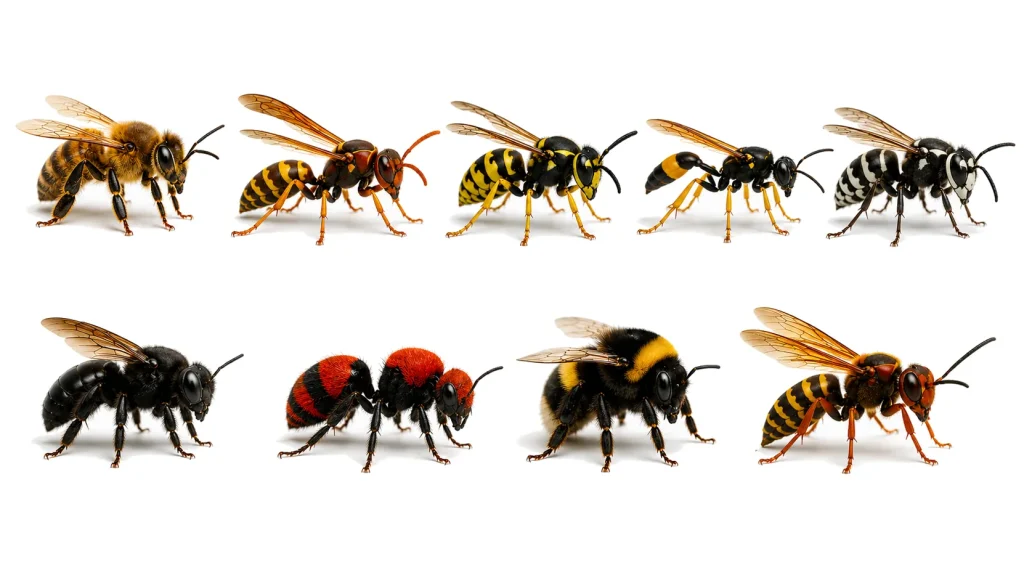
Many people mistake carpenter bees for their fluffier cousins, the bumblebees. They’re both big and active in our yards, but telling them apart is surprisingly easy once you know where to look. There’s one dead giveaway that you can spot from a safe distance, and it has to do with their back end.
The secret is in the shine. A carpenter bee has a distinctively shiny, black, and mostly bald abdomen. A bumblebee, in contrast, is fuzzy all over, with a furry abdomen that’s typically covered in yellow and black stripes. Just remember this simple rule: shiny butt, carpenter bee; fuzzy butt, bumblebee. This quick check is the most reliable way to confirm what you’re seeing.

What Kind of Damage Do Carpenter Bees Actually Cause?
Those perfect, drill-like holes carpenter bees leave in your wood aren’t for food. Unlike termites, which consume wood, carpenter bees are simply excavators. They chew through wood to create safe tunnels, called galleries, where the female lays her eggs. The fine sawdust you might see on the ground below a new hole is just the excavated material. Think of it as a tiny construction site, not a dinner plate.
A single nest tunnel is rarely a serious structural threat. The real damage from carpenter bees is cumulative, happening over several seasons. These bees often return to the same areas year after year, either expanding old tunnels or drilling new ones nearby. Over time, what started as one small hole in a porch beam or deck railing can become a hidden network of galleries. This “Swiss cheese” effect can gradually weaken the wood from the inside out.
Perhaps the most significant issue, however, is the secondary damage these nests invite. The tunnels can collect rainwater, leading to wood rot and unsightly dark stains. Even worse, a nest full of bee larvae is an irresistible buffet for woodpeckers. A hungry woodpecker will aggressively peck and tear at the wood to get to its meal, often causing far more visible destruction than the original bee ever did. In fact, sudden woodpecker damage is one of the most obvious signs of an underlying carpenter bee infestation.

4 Telltale Signs You Have a Carpenter Bee Nest
Finding hidden nests is the key to stopping further damage. You don’t always have to see the bee to find proof of an active problem. Instead, play detective and look for these telltale clues.
Signs of an Active Nest:
- Perfectly Round Holes: The most obvious sign is a flawless, half-inch wide hole in a wooden surface. Check unfinished or weathered wood on eaves, decks, fascia boards, and railings first.
- Piles of Sawdust: Directly below a new hole, you’ll often find a small pile of coarse sawdust. This material, technically called frass, is simply the wood the bee excavated to create its tunnel.
- Yellowish-Brown Stains: Look for dark, streaky stains on the wood surrounding an entrance hole. This discoloration is caused by bee waste and pollen.
- Faint Scraping Sounds: On a quiet day, press your ear near a suspected nest. You might hear a faint buzzing or scraping sound from inside the wood as the female bee works.

Can Carpenter Bees Hurt Your Dog or Cat?
That buzzing bee dive-bombing your golden retriever is almost certainly a harmless male. While their territorial antics seem threatening, male carpenter bees lack a stinger and are all bluff. This means the most common interactions between your pets and these bees are completely safe, even if they look dramatic.
The question of whether they can hurt dogs or cats really comes down to the reclusive female bee. A female can sting, but she is not aggressive and would much rather flee than fight. A sting to a pet is extremely rare and typically only happens if a curious dog or cat actively provokes a nest. For example, by scratching or digging directly at the entrance hole. The bee stings purely in self-defense, not as an unprompted attack.
If a sting does occur, symptoms are typically mild, involving localized swelling and pain, much like any other bee sting. The greater concern, though rare, is a severe allergic reaction. If you notice widespread swelling, difficulty breathing, or collapse, call your vet immediately. Ultimately, the best way to protect curious pets is to prevent nests from being established in the first place.
The Best Defense: 3 Simple Ways to Prevent Carpenter Bee Damage
Preventing a problem is always easier than fixing one. The single most effective way to deter these bees is surprisingly simple: make your wood unappealing. Carpenter bees look for soft, untreated, or weathered wood to drill into. A thick coat of paint, a quality stain, or a heavy varnish creates a barrier they don’t want to bother with. Keeping the wood on your deck, eaves, and fences finished is the best first step to prevent damage before it ever starts.
If you already have a few of their perfectly round tunnels, don’t just leave them open. Old nests are like a vacancy sign, attracting new bees the following spring. To block re-entry, wait until the fall when the tunnels are inactive. Then, stuff each hole with a bit of steel wool or copper mesh and seal the entrance with wood putty or caulk. This simple repair makes their old homes unusable.
By combining these defenses, keeping wood surfaces treated and sealing old holes, you can protect your property without reaching for harsh chemicals. For future outdoor projects, choosing pressure-treated lumber or naturally resistant hardwoods can also make your home a less inviting target.
So, Are Carpenter Bees a Friend or a Foe?
That big, buzzing bee by your deck probably looks a lot different now. The answer to “Are carpenter bees dangerous?” isn’t a simple yes or no. The risk is twofold: a very low risk to people versus a real, manageable risk to property.
You can replace initial alarm with a clear plan. First, Identify the bee by looking for that shiny, black back end. Next, Assess the situation to understand its behavior and the extent of any damage. Finally, you can Prevent future issues by simply painting or sealing untreated wood. This simple process gives you control.
This understanding allows you to make informed decisions. Knowing that carpenter bees are also beneficial pollinators helps you choose when to act and when to let them be. You can be a steward of your backyard, protecting your home while appreciating the creatures you share it with.