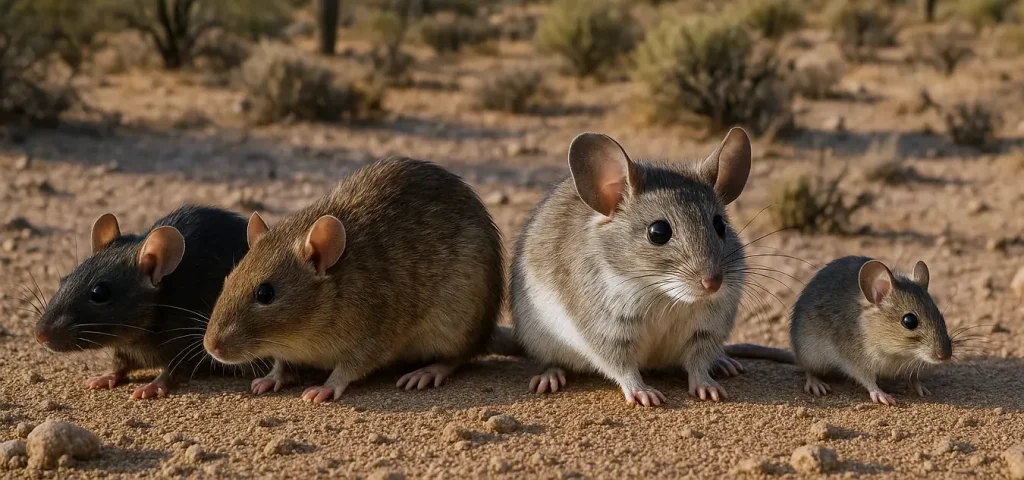
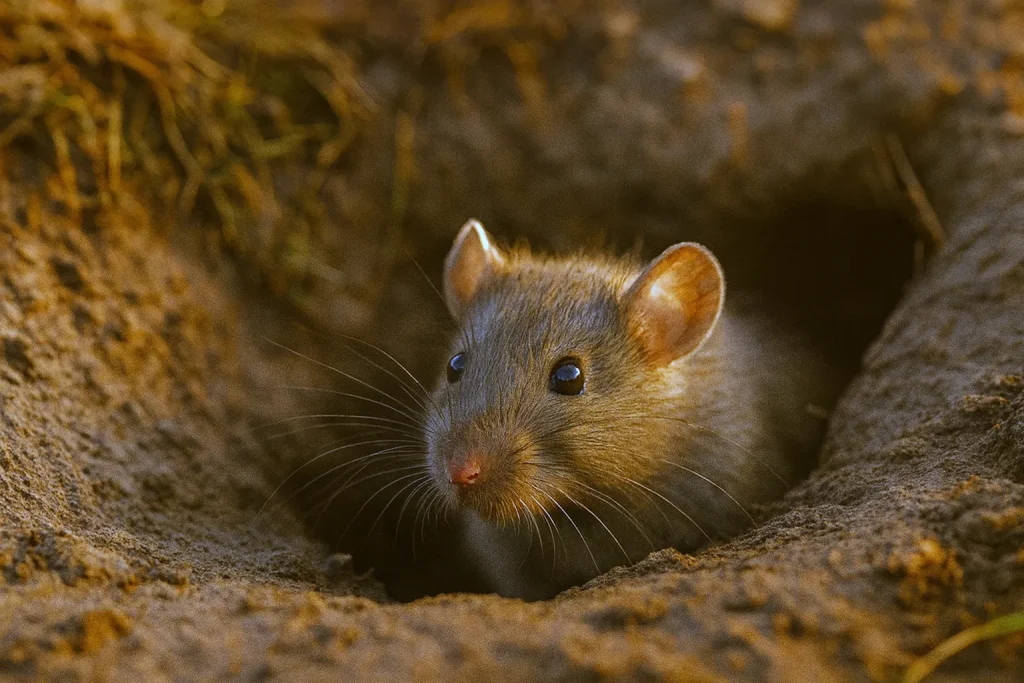
Arizona’s monsoon runs June 15 to September 30, and it moves rodents before it ever brings them indoors. Storm runoff floods ground-level burrows and wash-bottom middens, wind and water open new gaps in roofs and vents, and standing water removes the one thing that normally limits rodent numbers in the Sonoran Desert. The result is a displacement event, not a population boom. Animals that were living outside your house move to the edge of it, and then into it.
Most rodent advice written for Phoenix treats infestation as a cold-weather problem. That is half the year. The other half starts now.
Why monsoon storms move rodents
Water is the limiting factor for rodents in the desert. Food and shelter are easy to find here year-round; reliable water is not. That is why roof rats concentrated in the irrigated older neighbourhoods and why the desert fringe stays comparatively quiet through a dry spring. Monsoon rain removes that constraint everywhere at once.
Four things happen in the days around a storm:
- Ground burrows flood. Norway rats nest in burrows along foundations, under woodpiles and beside irrigation lines. When those fill, the animals move to the nearest dry void. A garage, a stem wall gap, a crawl space.
- Washes run. Pack rat middens sit at ground level under prickly pear, palo verde and boulder piles, frequently in and beside desert washes. Running water pushes those animals up against block walls and into stored equipment, planters and vehicles.
- The roof takes damage. Sixty-mile-an-hour gusts lift tile, tear flashing, dislodge vent screens and pull loose fascia. Every one of those is a half-inch gap or larger, which is all a rat needs.
- Vegetation surges. The growth flush after the first good rains gives cover and food, and overgrown limbs that were a foot clear of the roof in June are touching it by September.
What each species does during monsoon
Pack rats

The clearest monsoon signal we see. Pack rats, white-throated woodrats, build stick middens at ground level, often in or beside washes. A single flow event destroys the midden and displaces the animal, which then rebuilds somewhere higher and drier. That somewhere is very often a homeowner’s property: under a stored trailer, inside a planter, behind pool equipment, or in an engine bay. Chewed vehicle wiring in August and September is almost always this.
The pattern follows the drainages: the New River and Agua Fria corridors through Peoria, the McDowell Sonoran Preserve boundary in north Scottsdale, the Cave Creek and Anthem foothills, the White Tank base at Verrado, and the San Tan margins around Queen Creek.
Norway rats
Norway rats live in ground burrows against foundations, under debris and along irrigation. Flooding those burrows produces the fastest indoor movement of any species here, because the animals are already at the base of the structure. They enter through garage door corner gaps, weep screed openings, unsealed utility penetrations and stem wall voids. All at ground level.
Roof rats

Roof rats are less directly displaced, because they are already above the water. What monsoon gives them is roof damage and canopy. Storm-lifted tile and torn vent screens create new entry points at exactly the height they travel, and the post-rain growth flush bridges trees to rooflines. Activity in the irrigated core, Arcadia, central Tempe, west Mesa, Old Town Scottsdale, tends to show up two to six weeks after the storms rather than during them.
Mice

House mice need a gap only three-eighths of an inch wide and rarely travel more than 30 feet from the nest. Monsoon matters for them mainly through the damage it does to the building envelope. A garage door seal that lifted in a haboob is a mouse highway by the following week.
The week after a storm is the window that matters
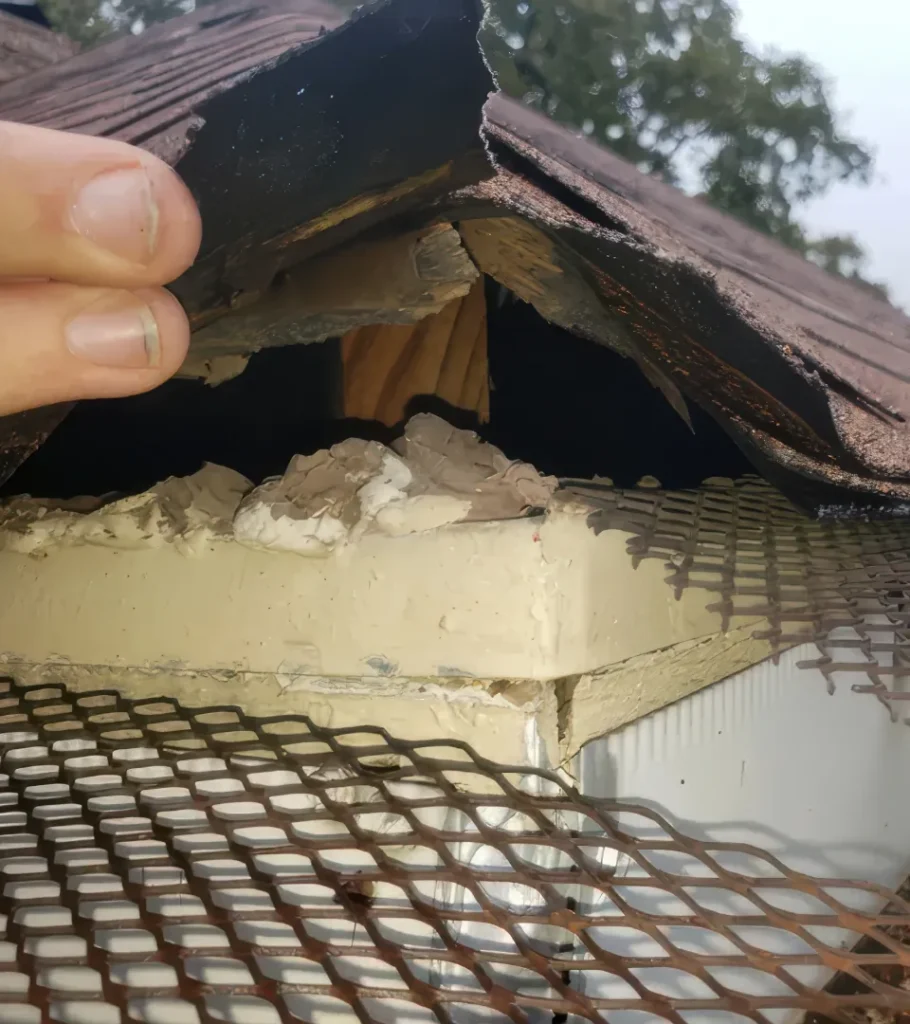
Rodent entry after a monsoon storm is opportunistic. The gap opens, and something finds it within days. Walking the property in the week after a significant storm catches most of it before anything moves in. What to look at:
- Roof tiles and the eave line. Lifted or slipped tile, and any gap under the first course at the eave. On Mesa and Chandler tile roofs this is the single most common roof rat entry we find.
- Roof and plumbing vents. Torn or missing screens, and boots that have pulled away from the deck.
- Fascia, soffit and flashing. Anything the wind has lifted or separated.
- Garage door seals. Especially the bottom corners, which lift first and reseal last.
- The weep screed line. Where the stucco meets the foundation, checking for washed-out gaps.
- Standing water. Blocked scuppers, low spots, saucers under pots, and anything holding water for more than a day or two.
- Debris piles. Blown palm fronds and yard waste stacked against a wall are pack rat nesting material and cover in one.
- Tree limbs. Anything now within three or four feet of the roof after the growth flush.
If you find fresh droppings during that walk, the shape tells you where to look next: half an inch to an inch and blunt at one end is a Norway rat and the problem is at ground level; about half an inch and pointed is a roof rat and the problem is above you.
What it costs to deal with

Rodent control is $245 for the initial service, full inspection, entry-point mapping, trapping and first removal, and $95 per follow-up visit. The Phoenix rodent control price guide breaks down every line item, including what rodent damage costs to repair if you leave it. If you are adding year-round pest control, the initial rodent visit drops to $29 under the $29 rodent special.
Storm damage is the argument for doing exclusion rather than trapping alone. Trapping clears what came in through the gap the storm opened. Sealing the gap is what stops the next storm doing the same thing. Exclusion is quoted after the inspection, with photographs of every point sealed, and it is backed by the Busy Bee Seal Guarantee: if rodents get back in through a point we sealed, we return and fix it under your plan.
Where monsoon hits hardest in the Valley
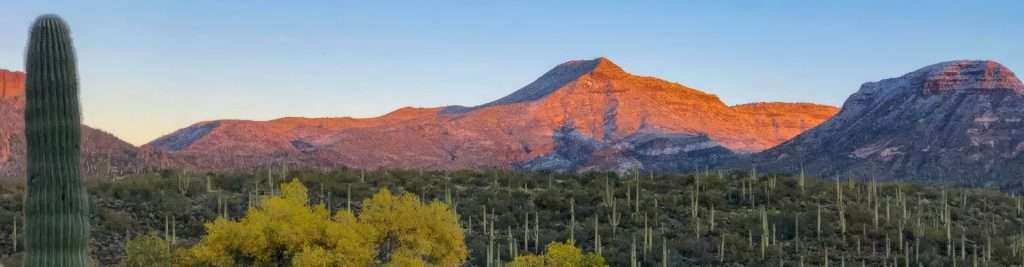
Homes near a wash or at the desert edge take the sharpest, fastest spike, because that is where the displaced animals come from: Peoria along the New River and Agua Fria, Buckeye at the base of the White Tanks, Queen Creek toward the San Tans, Scottsdale against the Preserve, and the mountain-base lots in Paradise Valley.
The irrigated older core, Tempe, Mesa, Chandler. Sees a slower roof rat increase that shows up two to six weeks after the storms, driven by roof damage and the growth flush rather than by displacement. Gilbert and Goodyear see both patterns depending on which edge of the city you are on, and Sun City has the added problem of homes sitting empty through the season.
Frequently asked questions about monsoon and rodents
Does monsoon season actually increase rodent problems in Phoenix?
It changes where rodents are more than how many there are. Storm runoff floods ground burrows and wash-bottom middens, so animals that were living outside move to the edge of buildings and then inside. Storm damage to roofs, vents and door seals opens the gaps that let them in, and standing water removes the shortage of drinking water that normally limits rodent numbers in the desert.
When is monsoon season in Arizona?
June 15 through September 30. July and August are typically the wettest months, and Arizona receives more than half its annual precipitation in that window.
Why do pack rats get into cars during monsoon?
Their middens sit at ground level, often in or beside washes, and a flow event destroys them. The displaced animal rebuilds somewhere higher and drier, and a warm engine bay full of wiring insulation is close to ideal. Repeated damage almost always means an active midden within about a hundred feet, usually under a boulder cluster, a stored trailer or a woodpile.
What should I check after a monsoon storm?
Walk the roof line for lifted tile and gaps under the first course at the eave, check roof and plumbing vent screens and boots, look for lifted fascia, soffit and flashing, check the bottom corners of garage door seals, inspect the weep screed line where stucco meets the foundation, clear standing water and blown debris piles, and cut back any tree limbs now within three or four feet of the roof.
Is trapping enough after a storm, or do I need exclusion?
Trapping clears the animals that came in through the gap the storm opened. It does not close the gap. Without sealing, the next storm produces the same result, which is why we recommend pairing trapping with exclusion and why exclusion is the line item most worth spending on.
Which parts of the Valley see the worst monsoon rodent activity?
Homes near washes and the desert edge see the sharpest spike, because that is where pack rats are displaced from: the New River and Agua Fria corridors through Peoria, the Preserve boundary in north Scottsdale, the White Tank base at Verrado in Buckeye, and the San Tan margins at Queen Creek. The irrigated older core sees a slower roof rat increase two to six weeks later, driven by storm damage to roofs and post-rain vegetation growth.