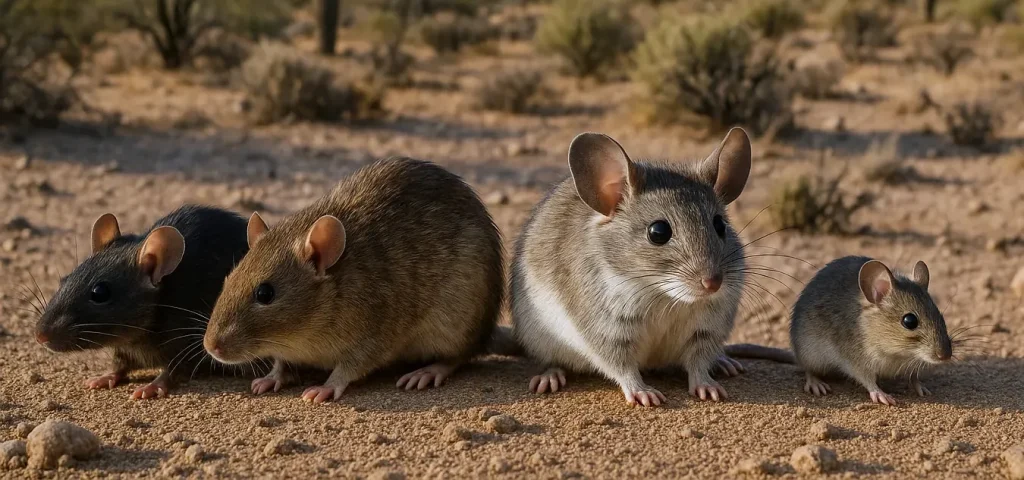
Winter is when a lot of Valley households start feeding birds. The weather is pleasant, birds that spend the winter here are arriving, and a feeder outside the kitchen window is a nice thing to watch over coffee.
It is also, quite often, how a yard ends up feeding roof rats. Not because rats raid the feeder in broad daylight, but because of what collects underneath it and what happens there after dark.
Yes, and it is mostly the ground under the feeder
Birds are messy eaters. They pick through a mix for the seeds they want and flick the rest onto the ground, along with the hulls. Over a few weeks a feeder builds up a layer of spilled seed below it, topped up every day.
Roof rats and mice feed at night. A spot with fresh food on the ground every evening, in the same place, is exactly the kind of reliable source a rodent population builds itself around. A feeder does not have to be raided to attract rats. The spill under it is enough.
Winter makes it worse for two reasons. Roof rats move from trees into rooflines and attics as the nights cool, so they are already closer to the house. And winter is when most people feed the most.
The signs a feeder is feeding more than birds
- Seed gone overnight. The ground under the feeder is bare in the morning even though nobody swept it.
- Small holes or runways in the mulch or gravel under the feeder, and a worn path toward the nearest wall or shrub.
- Droppings near the feeder pole, on a patio table or chair, or along the top of a block wall.
- A feeder that empties overnight when it should last several days. Roof rats are good climbers and will feed straight from a feeder they can reach.
- Gnawed seed bags or containers in the garage or shed.
- Noise overhead at night that started after you began feeding.
Why Valley yards make it easier for them
A feeder on its own is one thing. In a Valley yard it rarely is on its own.
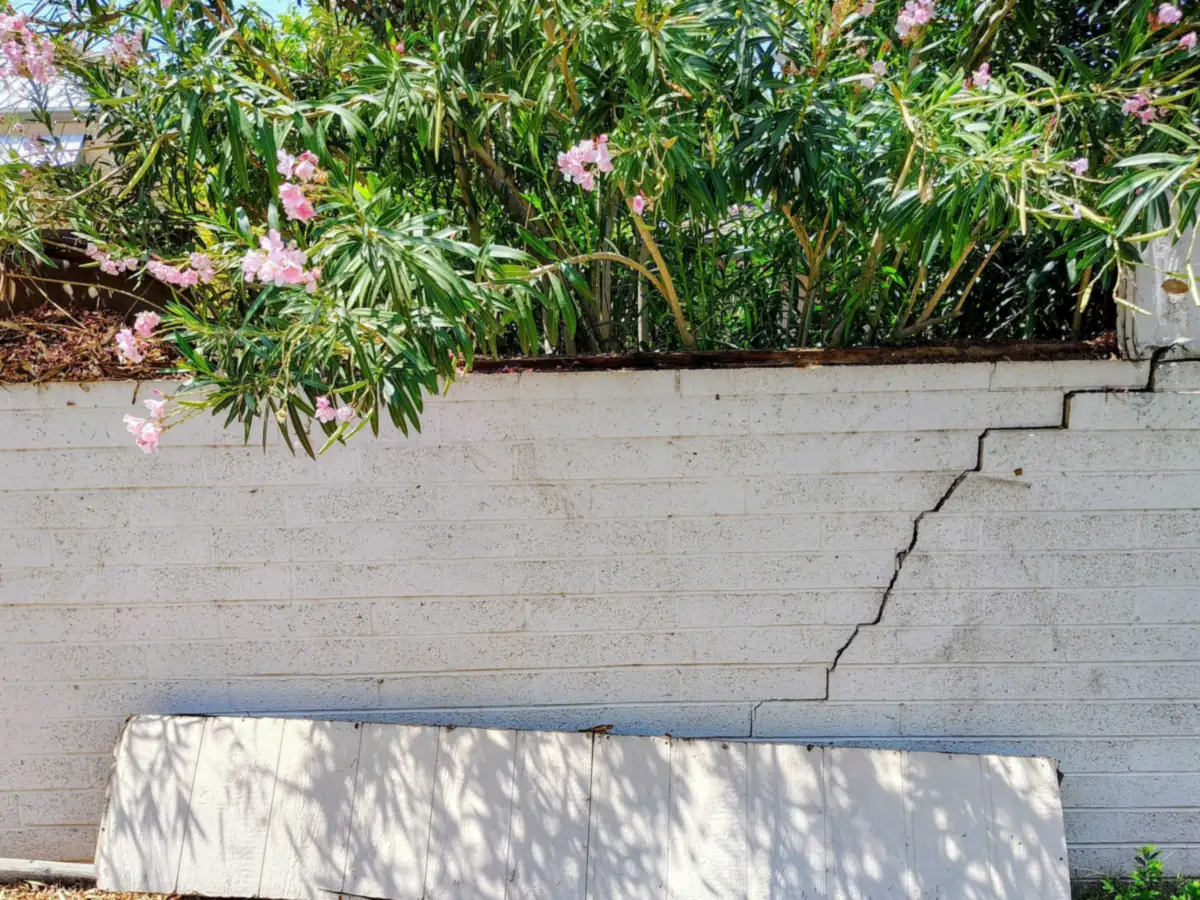
Roof rats spend the hot months in citrus and palms, travel along block walls and utility lines, and move into rooflines as it cools. A feeder hanging in a citrus tree, or from a patio cover attached to the house, puts a nightly food source right on the route between the tree and the attic.
Water matters too. In a desert, water draws rodents as reliably as food, and in a dry winter often more so. A birdbath next to the feeder, or an irrigation head that keeps the ground damp under it, makes that spot even more valuable.
Citrus season runs at the same time of year, and our article on citrus season and roof rats covers the fruit side of the same problem.
How to keep feeding birds without feeding rats
You do not have to stop. You do have to manage the ground, and the night.
- Bring the feeder in at night. It is one of the most effective changes. It takes the feeder itself off the menu at exactly the hours rodents feed.
- Clean up the spill every day, before dark. A few minutes with a rake and a dustpan takes away most of what rats come for. If there are droppings in the spill, put on gloves, soak them with disinfectant, wait a few minutes and pick them up with paper towels rather than sweeping them.
- Use a catch tray under the feeder, and empty it daily.
- Choose seed with less waste. Mixes padded with filler seed get scattered on the ground. Hulled seed and no-waste blends leave far less behind.
- Feed less, more often. Put out what the birds will finish in a day rather than filling a large feeder once a week.
- Hang it away from anything a rat can climb. A feeder on a pole in open ground is much harder to reach than one hanging from an eave, a patio cover or a citrus branch. Roof rats can jump roughly four feet sideways, so give it more room than that, and fit a baffle to the pole.
- Store seed in metal or hard plastic with a tight lid, not in the bag it came in. A torn seed bag in the garage is a feeder indoors.
- Empty the birdbath in the evening and refill it in the morning, and fix any irrigation leak nearby.
Other feeding in the yard
- Hummingbird feeders drop no seed and are far less of a rodent problem. Keep them clean and free of drips.
- Chicken feed works the same way as bird seed, and a coop run with feed in it is a feeder that never comes in at night. Store feed in metal, and clean up what is spilled.
- Pet food left outdoors overnight is a feeder by another name. Feed pets inside, or pick the bowl up at dusk.
- Fruit put out for birds, such as halved oranges hung in a tree, is rodent food first.
What not to do
Do not put poison bait near the feeder. Loose bait is a hazard to birds, pets and other wildlife, and a poisoned rodent dies wherever it happens to be, which can be inside your attic or wall.
Do not use glue boards. They catch birds and lizards as readily as rodents, they often fail to hold an adult rat, and we do not use glue boards for rats.
Do not stop at moving the feeder if there are already signs in the house. Taking away the food helps. It does not remove rats already living in the roof, or close the gaps they used to get in.
If they have already moved in
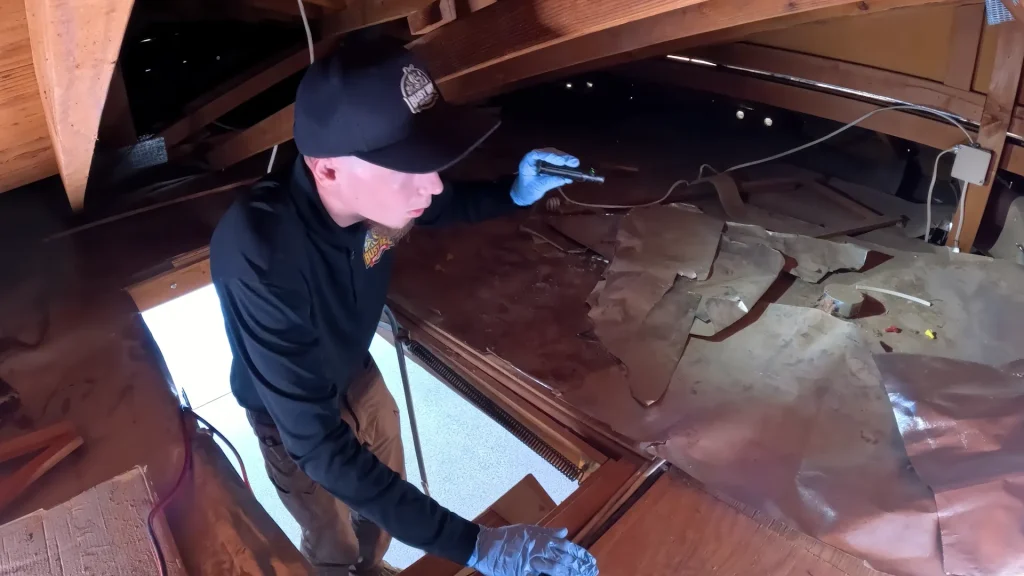
If you are hearing noise overhead or finding droppings in the house, the feeder was only part of the picture. The work that ends it is the same as any roof rat problem: trapping first, then sealing every entry point with chew-resistant materials, then cleanup if the attic needs it. Our article on traps and bait stations explains how each is used and why placement matters.
It is also worth looking at what else the yard offers. Our article on why rodents choose one house and not the one next door explains how food, water, shelter and access add up, and why a feeder is often one item on a longer list.
The short answer
Bird feeders attract rats mostly through the seed that ends up on the ground, which gives roof rats and mice a fresh meal in the same place every night. You can keep feeding birds: bring the feeder in at night, clean up the spill daily, use a catch tray and a low-waste seed, hang it on a baffled pole away from anything a rat can climb or jump from, and store seed in a sealed metal or hard plastic container. If there is already activity in the house, deal with that first.
Frequently Asked Questions
Do bird feeders attract rats?
They can, mainly through spilled seed on the ground, which gives rats and mice a reliable food source in the same spot every night.
Should I stop feeding birds?
Not necessarily. Bringing the feeder in at night, cleaning up the spill daily and using a catch tray take away most of what attracts rats.
What kind of bird seed attracts rats the least?
Hulled seed and no-waste blends leave far less on the ground than mixes padded with filler seed. Any seed left out overnight will still attract them.
How far from the house should a bird feeder be?
Far enough that a rat cannot reach it from the roof, a wall, a fence or a tree. Roof rats can jump roughly four feet sideways, so give it more than that, on a pole with a baffle.
Can rats climb a bird feeder pole?
Roof rats are agile climbers. A smooth pole with a baffle, standing away from anything they can jump from, is much harder for them than a feeder hanging from a branch or an eave.
Activity starting near the feeder?
Once the signs reach the house, trapping and sealing are what end it. See roof rat removal in Phoenix. Free inspection: 623-289-3375.