It’s late in your Phoenix home. The TV’s off, the house is still, and just as you start to relax. You hear it. A faint scratching inside the wall. Or maybe a scurrying sound across the attic. At first, it’s easy to dismiss as the house “settling,” but in reality, that noise is one of the earliest and most telling warnings of a problem no homeowner wants: rodents.
Ignoring these signs won’t make them go away. Rodents are more than a nuisance. They threaten your property and your family’s health. The good news? If you know what to look for, you can catch the problem early.
The 5 signs of a rodent problem in your Phoenix home are:
- Scratching, gnawing, or scurrying sounds at night
- Droppings or urine stains
- Gnaw marks and property damage
- Rodent nests or nesting material
- Actually seeing a rodent in your home
Let’s break them down one by one.
1. Strange Sounds: Scratching, Gnawing, and Scurrying
This is often the first sign homeowners notice. Rodents are primarily nocturnal, so you’ll most likely hear them after the sun goes down and your house becomes quiet.
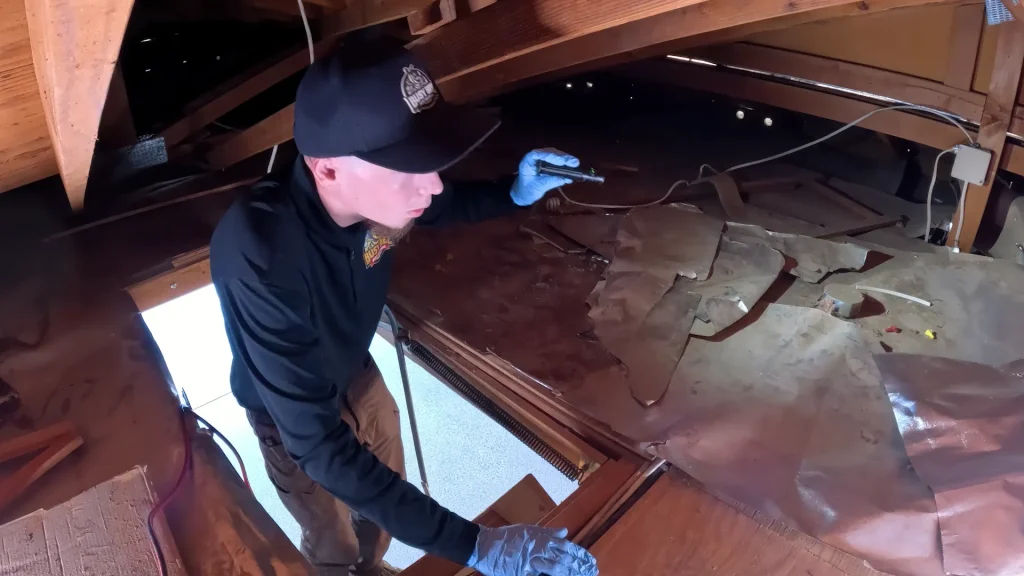
- Scratching and Scurrying: These sounds are typically caused by rodents climbing, crawling, and running inside your walls, ceilings, and under floors. If the sound is coming from your attic, you could be dealing with Roof Rats, which, as noted by Maricopa County Vector Control, are excellent climbers that often enter homes through the roofline.
- Gnawing: You may hear a distinct chewing or grinding sound. Rodent teeth never stop growing, so they constantly gnaw on hard surfaces like wood, plastic, and even electrical wires to keep them filed down.

2. Droppings and Urine Stains
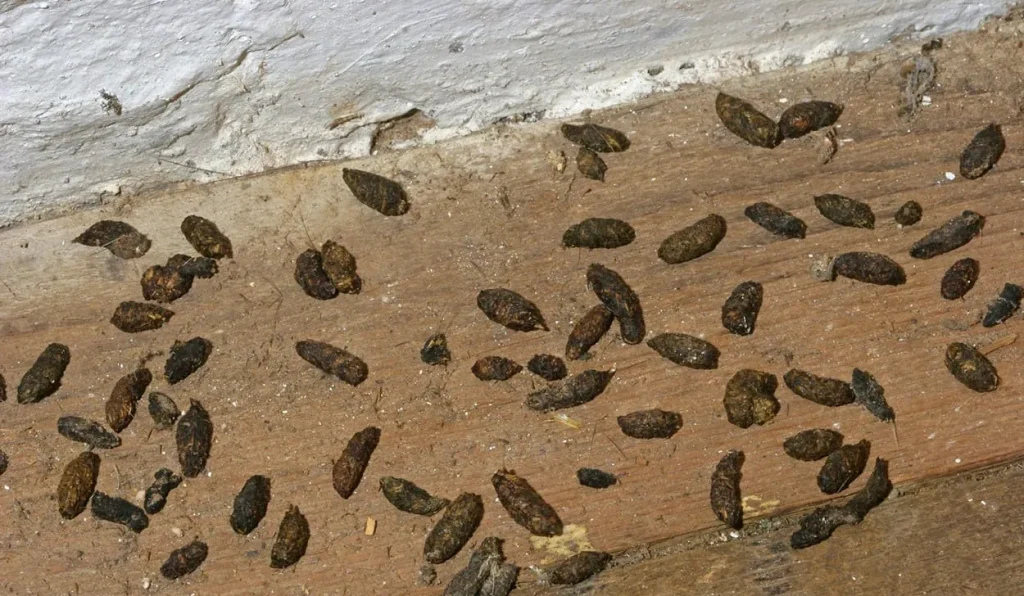
Where there are rodents, there will be droppings. This is one of the most reliable (and unpleasant) signs of an infestation.
- What to Look For: Rodent droppings are small, dark, and pellet-shaped. Fresh droppings are moist and dark, while older ones are dry and gray. Mouse droppings are tiny (about 1/8 inch) with pointed ends, while rat droppings are larger (1/2 to 3/4 inch).
- Common Locations: Check behind appliances, under sinks, inside cabinets, along baseboards, and in the corners of your attic or garage.
- Urine Trails: Rodents can also leave behind urine stains or small trails. Under a blacklight, these areas will glow, revealing the “highways” they use to travel through your home.
3. Gnaw Marks and Physical Damage
As mentioned, rodents have to chew constantly. This habit can cause significant damage to your home and create serious safety hazards.
- Structural Damage: Look for small holes chewed through walls, baseboards, and cabinets. They can also shred insulation for nesting material.
- Damaged Food Packaging: The pantry is a primary target. Check boxes, bags, and other food containers for tiny chew marks or holes.
- Frayed Wires: This is one of the biggest dangers. Rodents often chew on electrical wiring, which can create a serious fire hazard. In Arizona, Pack Rats are notorious for this behavior, often targeting car engines and home wiring, as detailed by the University of Arizona Extension.

4. Nests and Nesting Materials
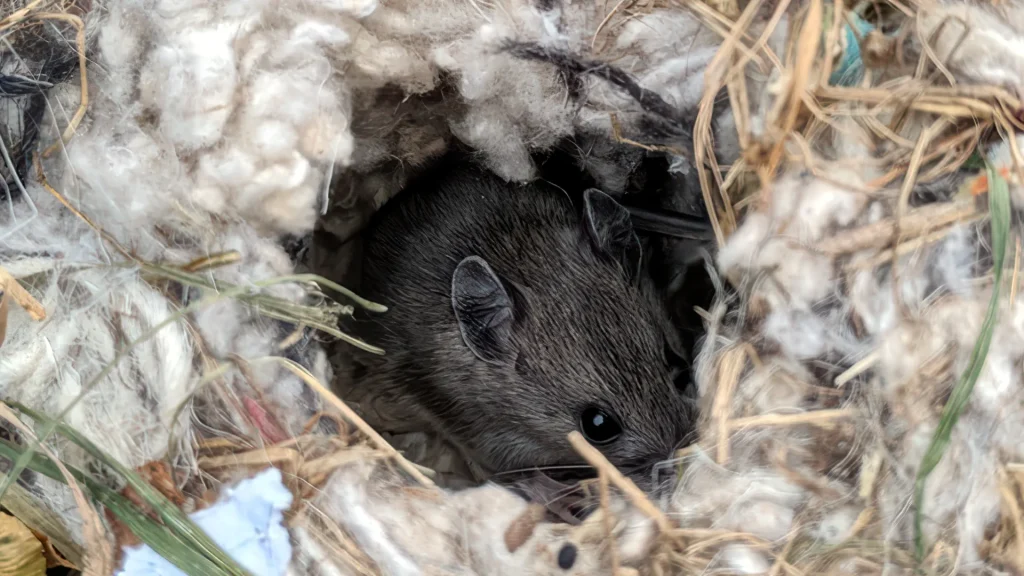
Rodents seek out warm, hidden, and undisturbed places to build their nests and raise their young.
- What Nests Look Like: Nests are typically messy piles or balls made of soft, shredded materials.
- Common Nesting Materials: Rodents will use whatever they can find, including shredded paper, fabric, cotton, cardboard, and insulation.
- Where to Find Them: Look in dark, secluded areas. Common spots include the back of closets, inside or behind drawers and cabinets, in wall voids, behind refrigerators, and inside unused appliances.
5. An Actual Rodent Sighting
Seeing a mouse or rat, dead or alive, is the most undeniable sign of all. Because rodents are so secretive and primarily active at night, seeing one during the day can be a sign of a very large infestation. If you see one, it’s almost certain there are many more you don’t see.
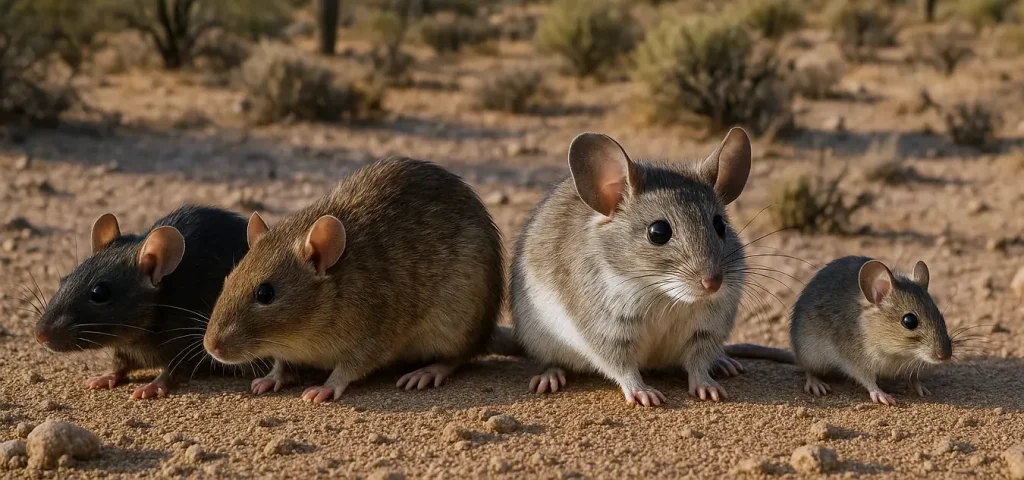
Who’s the Uninvited Guest? Identifying Arizona Rodents
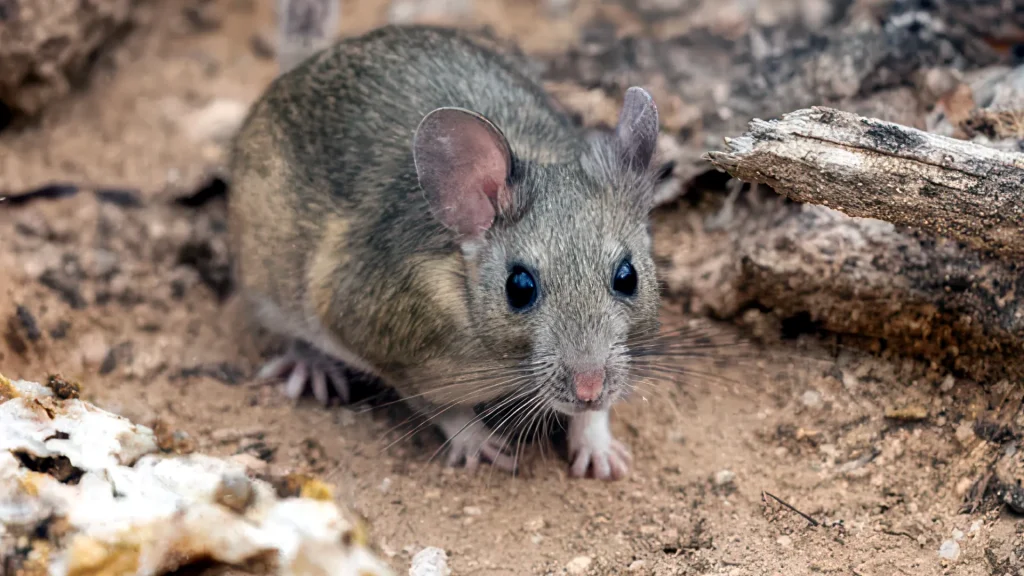
In the Phoenix area, you’re most likely dealing with a few specific culprits. Each has its own habits and requires a different approach. To learn how to tell them apart, check out our detailed Arizona Rodent Identification Guide.
More Than a Nuisance: The Real Dangers of Rodents
A rodent problem is much more serious than a few strange noises. They pose significant threats that every homeowner should be aware of.
Health Risks
Rodents are carriers of numerous pathogens. According to the Centers for Disease Control and Prevention (CDC), rodents can transmit diseases to humans directly through bites or contact with their feces, urine, and saliva. These can cause serious illnesses and contaminate your food preparation surfaces.
Property Damage
From chewed electrical wires and potential fires to shredded insulation that drives up your energy bills, the damage can be extensive. A comprehensive overview from the National Pesticide Information Center highlights the wide range of risks that rats pose to property.
You’ve Confirmed a Problem. Now What?
If you’ve noticed any of these signs, it’s crucial to act fast. Rodents reproduce incredibly quickly, and a small problem can escalate in just a few weeks.
While there are DIY methods, a persistent infestation requires professional expertise to ensure all rodents are removed and, just as importantly, prevented from returning. An effective strategy involves trapping, removal, and exclusion. Sealing up every potential entry point. The Environmental Protection Agency (EPA) advocates for this type of Integrated Pest Management (IPM) approach for a long-term solution.
For a comprehensive and permanent solution, your best bet is to call in the experts. At Busy Bee Pest Solutions, we specialize in safe and effective rodent control. We don’t just get rid of the pests; we make sure they can’t get back in.
Don’t let a rodent problem put your home and family at risk. Contact us today for a free inspection!
What it costs to fix
Once you have confirmed what is in the walls, the next question is usually price. Rodent control is $245 for the initial service and $95 per follow-up. The Phoenix rodent control price guide breaks down every line item, including what rodent damage costs to repair if you wait. If you are adding year-round pest control, the initial rodent visit drops to $29 under the $29 rodent special. Trapping ends the infestation you have now; rodent exclusion is what stops the next one.