Behavior, Nest Location, and What Makes Them Different
If you live in Phoenix and discover a bee hive on your property, one of the first questions people ask is:
“Are these Africanized bees?”
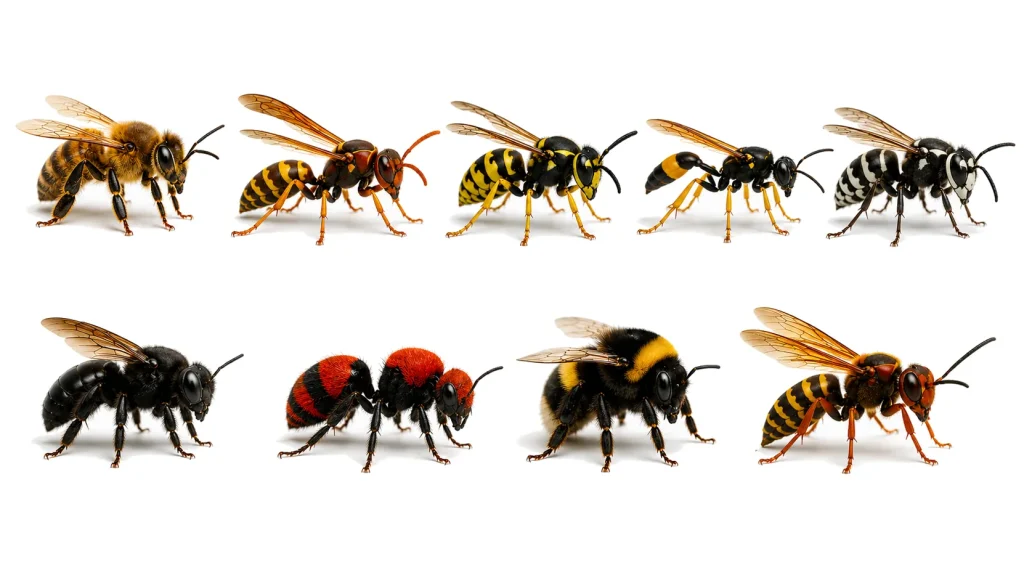
Africanized honey bees are common throughout Arizona. They look almost identical to regular honey bees, which means most people cannot tell the difference just by looking.
Even experienced beekeepers often cannot identify them visually. Scientists usually rely on behavior, nesting habits, and laboratory analysis to determine whether a colony is Africanized.
Understanding these clues can help Phoenix homeowners recognize potential risks and respond safely.
The History of Africanized Bees in the Americas
Africanized honey bees originate from a subspecies called Apis mellifera scutellata, originally found in parts of Africa.
In 1956, scientists introduced African honey bees to Brazil in an effort to create a more productive honey bee suited for tropical climates. Some colonies escaped and began breeding with European honey bees already present in the Americas.
Over the following decades these hybrid bees spread north through South America, Central America, Mexico, and eventually the southwestern United States.
Today they are well established throughout the Sonoran Desert, including Phoenix.
Why Africanized Bees Are Hard to Identify
Africanized honey bees look nearly identical to European honey bees.
To the human eye they appear the same:
- similar coloration
- similar body shape
- similar size
Because of this, scientists developed specialized identification methods such as:
- wing measurements (FABIS system)
- morphometric analysis of body parts
- DNA testing
These laboratory techniques can confirm whether a colony has Africanized genetics.
However, in everyday situations professionals rely mostly on behavioral clues.
The Biggest Clue: Behavior
The most noticeable difference between Africanized and European bees is how they respond to disturbance.
Africanized bees tend to be:
- more defensive
- quicker to react
- more likely to mobilize large numbers of defenders
Research has shown that Africanized colonies may respond to threats within 1–5 seconds, while European bees often take longer.
Africanized bees may also pursue a perceived threat hundreds of yards from the hive, while European bees typically defend only a small area around their nest.
Nest Location: A Major Clue in Phoenix
Another important indicator is where the bees build their hive.
European honey bees usually prefer enclosed spaces like:
- hollow trees
- wall cavities
- chimneys
- attic spaces
Africanized bees are far less selective.
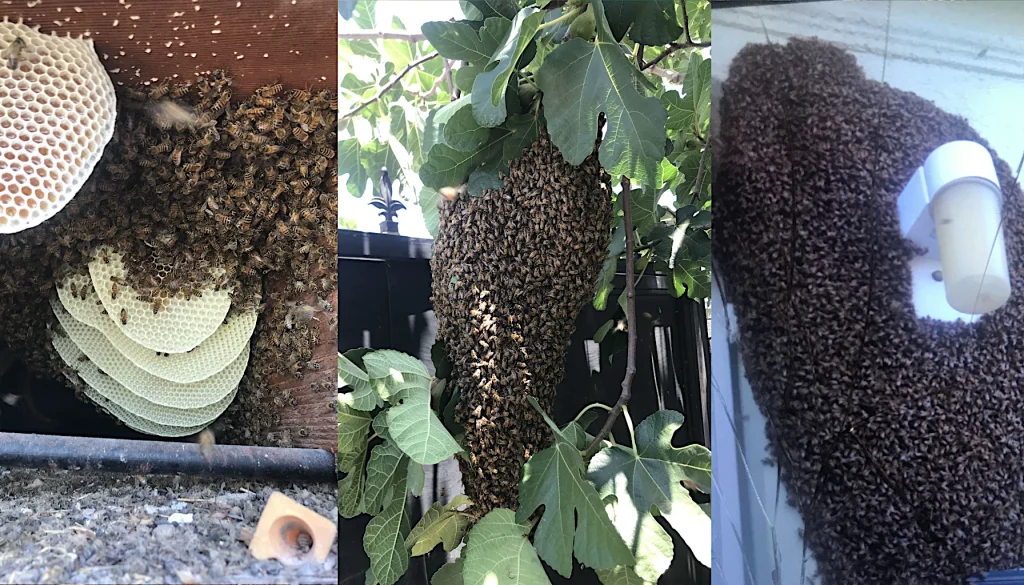
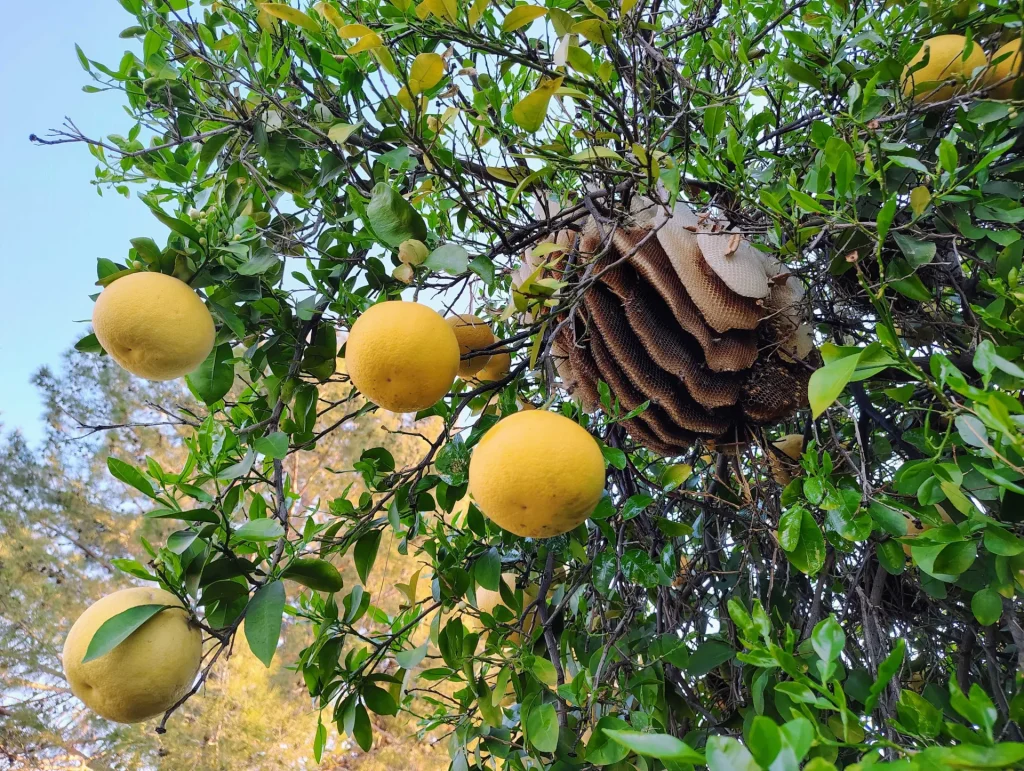
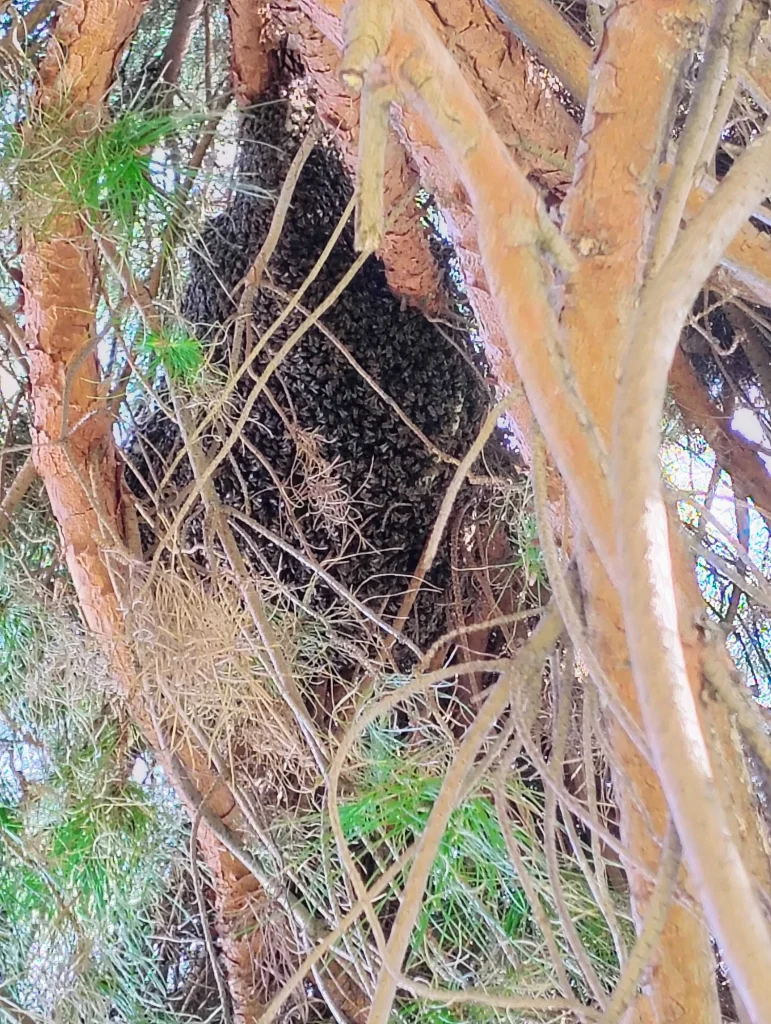
In Phoenix they are often found nesting in places such as:
- citrus trees
- shrubs and hedges
- irrigation valve boxes
- water meter boxes
- utility poles
- outdoor furniture
- grills or abandoned equipment
Because they can tolerate smaller nesting spaces, Africanized colonies can appear in places homeowners would never expect.
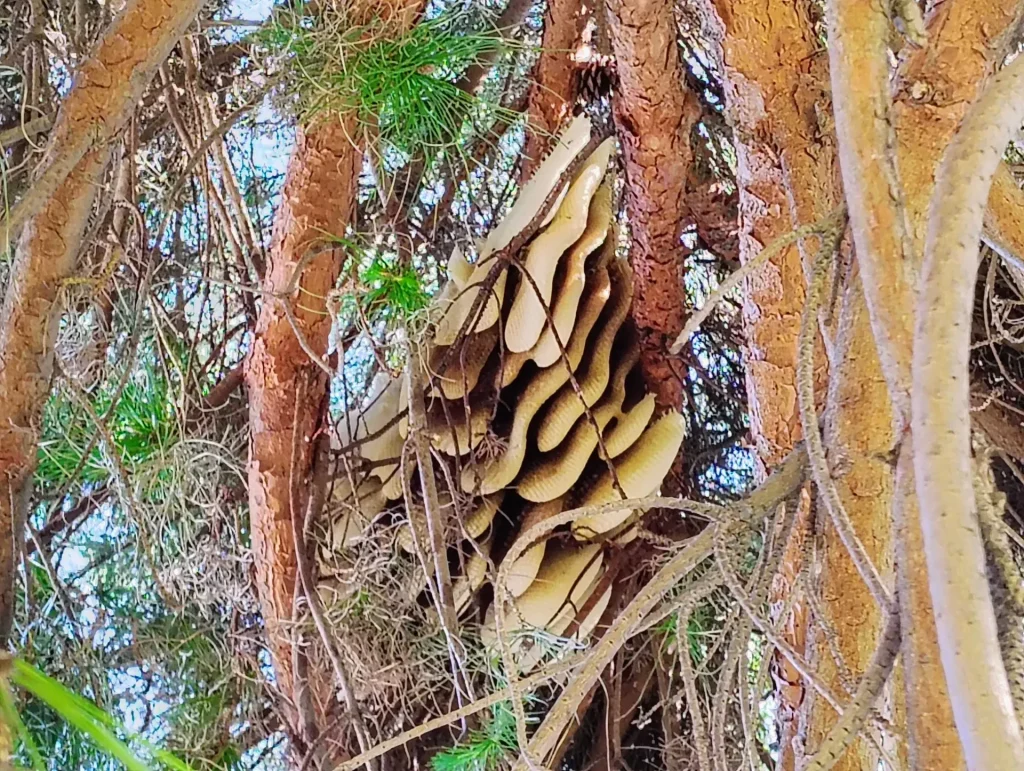
Why Africanized Bees Are More Common in Urban Areas
Africanized bees are extremely adaptable.
They swarm more frequently than European bees and can establish colonies quickly in small spaces.
This means neighborhoods may see multiple small colonies appearing during the same season, especially in warm desert climates like Phoenix.
Their ability to use unconventional nesting locations allows them to thrive in urban environments.
Why Professional Identification Matters
While behavior and nest location provide strong clues, the only way to definitively identify Africanized bees is through laboratory testing.
Scientists use techniques such as:
- morphometric measurements of wing veins
- enzyme analysis
- mitochondrial DNA testing
Because these tests require specialized equipment, most field identification relies on behavioral observation.
What Phoenix Homeowners Should Do
If you discover a bee hive on your property:
- Keep your distance
- Keep children and pets away from the area
- Avoid disturbing the colony
- Contact a professional bee removal specialist
Even calm bee colonies can become defensive if they feel threatened. The Valley has seen incidents serious enough to reach the local news, and we looked at what those Phoenix bee attacks tell homeowners about calling a professional early.
Professional removal helps ensure the bees are handled safely while protecting your family and neighbors.
Living Safely with Bees in the Phoenix Desert
Bees play an essential role in pollination and agriculture. At the same time, Africanized bee populations in the Southwest require caution and awareness.
Understanding their behavior, nesting habits, and environmental adaptations allows Phoenix residents to safely coexist with one of nature’s most remarkable insects.