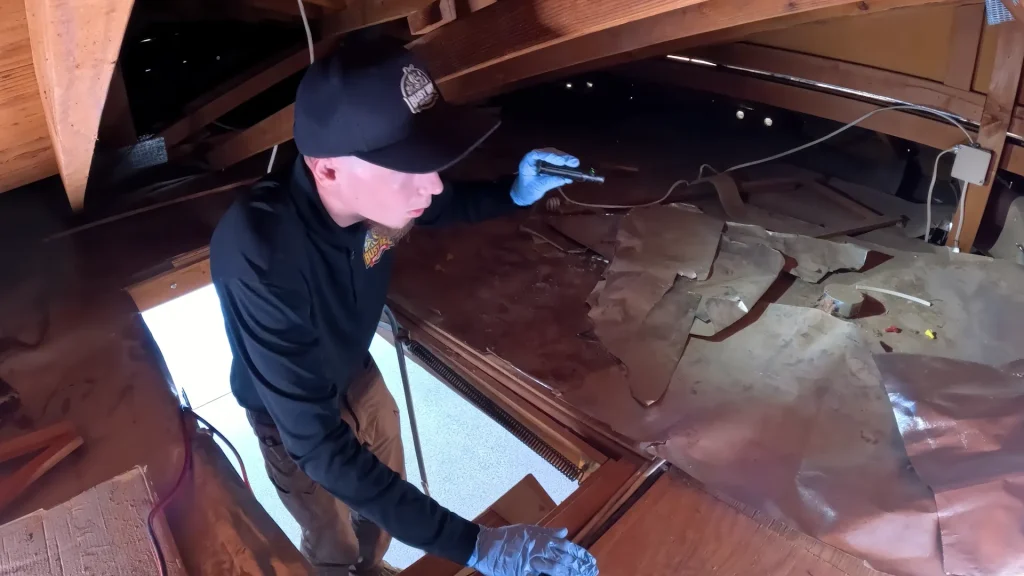
The week of Thanksgiving, a lot of Valley kitchens hold more food than at any other time of year. Flour, sugar and nuts bought in bulk. A pantry overflowing onto the garage floor. Pies cooling on the counter, a second refrigerator full of drinks, gift tins stacked by the door.
It is also the time of year mice move indoors. A house mouse needs very little: a gap about a quarter inch wide, roughly the width of a pencil, and food within a short distance of its nest. A holiday kitchen offers plenty of both.
Check before you cook
A few minutes with a flashlight before the baking starts can save a lot of food, and a lot of awkward moments with guests in the house.
- The drawer under the oven, and the floor beside and behind the range.
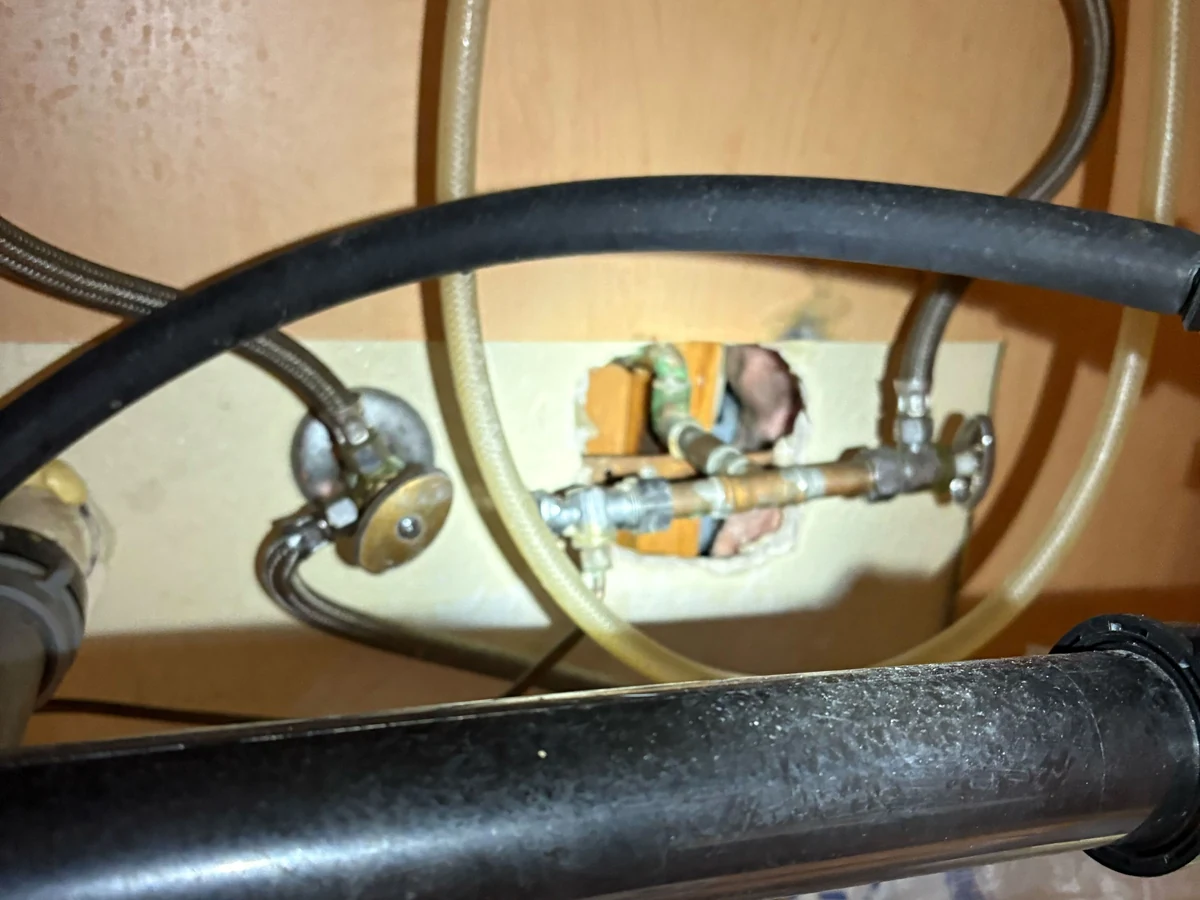
- Under the sink, around the pipes where they come through the wall or the cabinet floor.
- Behind the refrigerator and the dishwasher, and along the kick space under the cabinets.
- The back corners of the pantry, low down, and the pantry floor.
- Behind the toaster, the microwave and the coffee maker, where crumbs collect.
- The garage, if food is kept there: low shelves, bags of pet food and bird seed, and around the second refrigerator.
You are looking for droppings, which in a mouse are about a quarter inch long and pointed at both ends. Also chewed corners on bags and boxes, shredded paper or fabric, and a musky smell in a cupboard. Our article on mice in Phoenix homes explains where mice usually nest in a Valley house, and why the nest is rarely far from what you find.
What holiday cooking adds
None of this is unusual. It just all happens at once, for about six weeks.
- More dry goods, opened more often. Flour, sugar, oats, nuts, chocolate chips and dried fruit are all mouse food, and paper bags and thin plastic packaging are no barrier.
- Pantry overflow in the garage. Cases of drinks, bags of potatoes and onions, extra canned goods and baking supplies on a garage floor are a pantry next to the easiest way into the house.
- Gift baskets and cookie tins left on the floor or a low shelf for days.
- Pet food bought in big bags for the holidays and kept open.
- More food waste, often in bags waiting by the back door or in the garage.
- Doors left open for guests, deliveries and cooking smoke.
Store it so a mouse cannot get in
- Glass, metal or thick hard plastic with tight lids for flour, sugar, grains, nuts and anything that came in a paper bag. Mice chew through cardboard and thin plastic in a night.
- Nothing on the floor. Keep food on shelves, off the ground and away from the walls mice travel along.
- Garage food in sealed bins, and the garage door fully closed. Close it, turn off the light and look at the bottom corners from inside. If daylight shows there, a mouse can get in.
- Pet food in a metal or hard plastic container, and bowls picked up overnight.
- Trash in a can with a tight lid, and taken out at the end of the day rather than left by the door.
- Counters wiped and floors swept at the end of each day. A clean counter does more than any spray or plug-in device.
If you find signs: what to throw away
Food safety matters more than saving a bag of flour.
- Throw away anything that has been chewed, or that has droppings on or near it. That includes food in an opened package sitting next to a chewed one.
- Food in sealed glass jars or cans can be kept, as long as you clean and disinfect the outside before opening it.
- Clean the area the safe way. Do not sweep or vacuum droppings while they are dry. Put on gloves, wet the droppings and the surrounding area with a disinfectant or a bleach solution, let it soak for about five minutes, then wipe it up with paper towels and bag them. Our article on rodent-contaminated attic insulation explains why dry droppings should never be stirred into the air.
- Wash dishes, pans and utensils that were stored in an affected cupboard before you use them.
Where they get in
The kitchen is where you find mice. It is not usually where they get into the house.
In Valley homes the common routes are the bottom corners of the garage door, gaps under exterior doors, the weep screed where the stucco meets the slab, and the gaps around pipes, cables and the dryer vent where they pass through the walls. Our article on rodent entry points covers these in detail. Mouse-proofing means finding the quarter-inch gaps, not just the obvious holes, and it is done after the mice already inside have been trapped.
What not to do
Do not put poison bait in the kitchen. A mouse that eats it can die inside a wall or under a cabinet, and the smell tends to arrive right when the house is full of guests. Busy Bee uses no poison inside the home.
Do not rely on a plug-in repeller or peppermint oil. We have not seen reliable results from either.
Do not fill the gap with foam. Mice chew through foam. Gaps are packed with metal mesh and then sealed over.
Do not set one trap and wait. Mice breed year-round indoors, and a single trap rarely keeps up. Traps go down in numbers where the signs are, in enclosed spots children and pets cannot reach. Our article on traps and bait stations explains why placement matters more than the product.
Hosting with signs of mice
If you find signs a few days before a big meal, you can still cook. Move food into sealed containers, clear the affected cupboard, clean it properly, and use the counters and cupboards that are clear of droppings. Then have the mice dealt with as soon as you can rather than waiting until the guests have gone.
The short answer
Holiday cooking puts more food out than any other time of year, just as mice are moving indoors. Before the baking starts, check the drawer under the oven, under the sink, behind the appliances, the pantry floor and the garage for droppings and chewed packaging. Store dry goods in glass, metal or hard plastic, keep food off the floor, close the garage fully, and throw away anything chewed or near droppings. If you find signs, trap and seal rather than reaching for poison.
Frequently Asked Questions
How do I know if mice have been in my pantry?
Look for droppings about a quarter inch long and pointed at both ends, chewed corners on bags and boxes, shredded paper and a musky smell. Check low down, in the back corners.
Is food safe to eat if a mouse got into the pantry?
Throw away anything chewed or with droppings on or near it. Food in sealed glass jars or cans can be kept once the outside has been cleaned and disinfected.
What containers keep mice out?
Glass, metal or thick hard plastic with tight lids. Paper, cardboard and thin plastic bags are chewed through easily.
Why do mice show up in the kitchen in winter?
Mice move indoors as the weather cools, and the kitchen has food, water and shelter within a short distance. Holiday cooking adds more food than usual.
How small a gap can a mouse get through?
About a quarter inch, roughly the width of a pencil. That is why mouse-proofing has to find small gaps, not just obvious holes.
Droppings in the pantry?
Snap traps indoors and sealing the small gaps mice use is how it ends. See mouse control in Phoenix. Free inspection: 623-289-3375.