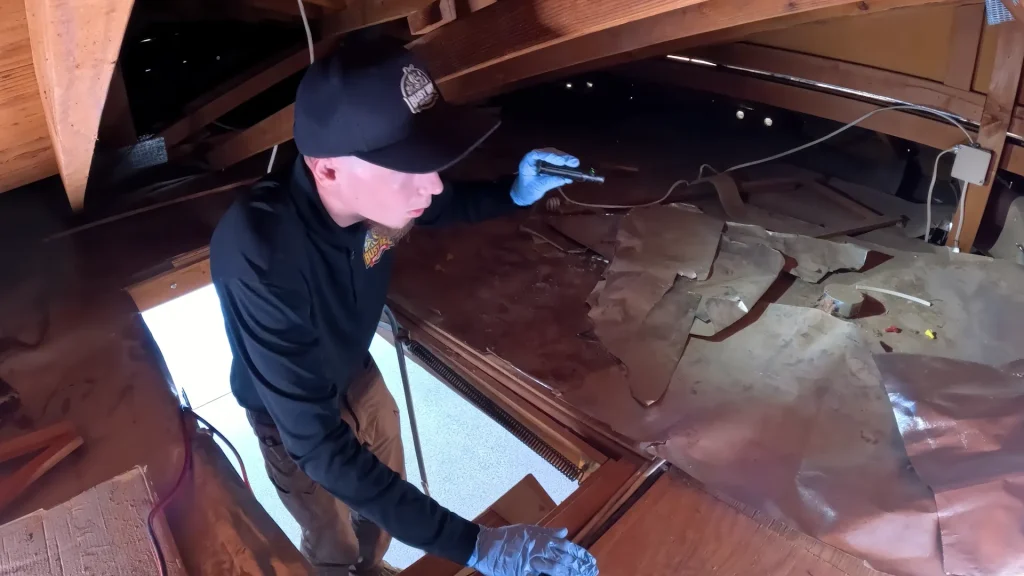
This week is Rodent Awareness Week, which the National Pest Management Association runs from the eighteenth to the twenty fourth of October this year. It lands at the right time for the Valley. The nights have cooled, roof rats are moving off the ground and up onto the roofline, and the entry points that did not matter in July are the ones that decide how your winter goes. Five of them account for most of the rodent work we do across Phoenix and the East Valley, and not one of them looks like a way into a house.
First, the number that governs everything
A roof rat can get through an opening of about half an inch. A house mouse needs about a quarter of an inch. If you can push a pencil into a gap, it is a rodent entry point.
That is why the list below is made of ordinary construction details rather than damage. Nobody is looking for a hole. They are looking for a gap that was always there.
1. The garage door seal
The most common by a distance, and the easiest to check. Stand inside the closed garage in daylight and look along the bottom edge and up both sides.
Any daylight is a gap. The two bottom corners are where seals fail first, because that is where the rubber compresses unevenly and where sweeping grit wears it.
Garages then feed the rest of the house. Pet food, bird seed, grass seed, cardboard for nesting, and usually an unsealed penetration into the wall cavity or attic.
2. Pipe and conduit penetrations
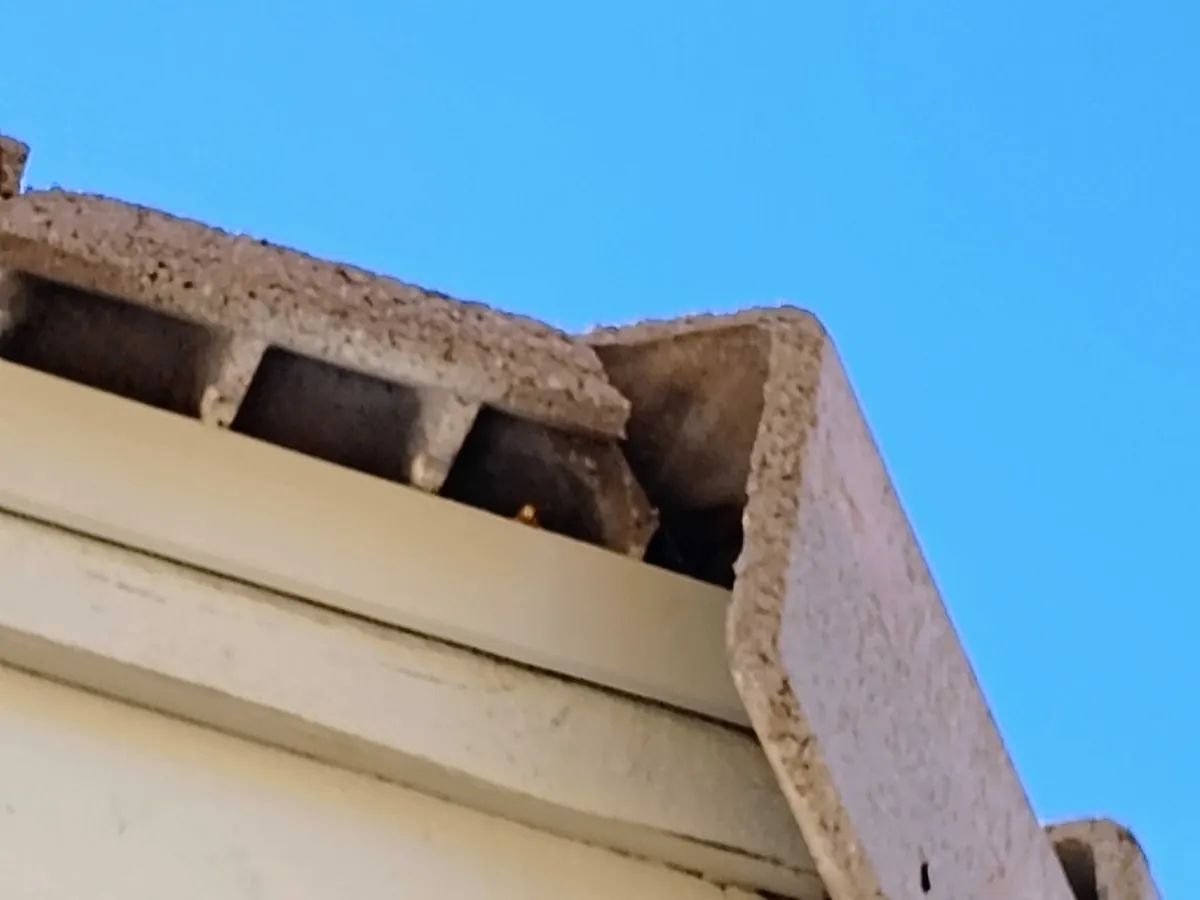
Every service that enters the building punches a hole through the envelope. Water supply, gas, air conditioning line sets, electrical conduit, low voltage cabling, the condensate drain.
Those holes are drilled oversize on purpose so the pipe can be fitted, then filled with whatever was on the truck that day. Foam, mortar, sealant, sometimes nothing.
Foam alone does not hold. Rodents chew through expanding foam easily, and a foam plug that has been chewed and refilled twice is a permanent entry.
3. Vents with damaged screens
Gable vents, soffit vents, dryer and bathroom terminations, and attic ventilation. All of them are meant to be open, which is exactly why they need screening rather than sealing.
Screens fail in predictable ways. Sun degrades plastic mesh. Wind lifts a corner. A previous repair used insect screen, which will not hold a rat.
4. Where two roof planes meet
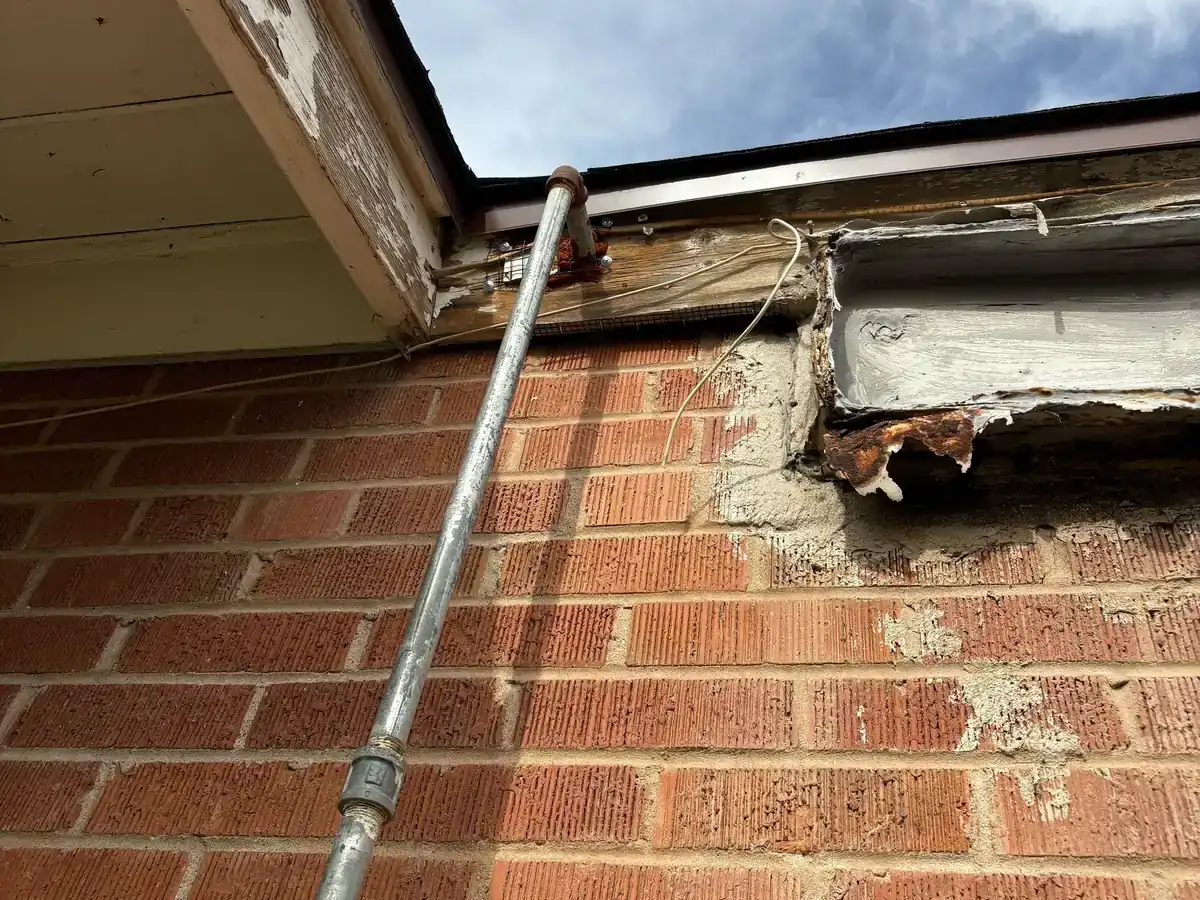
The junction between roof planes, and the point where a lower roof meets a wall, is where the roofing detail gets complicated and the gaps open up. On a tile roof this is compounded, because the open half round channel under the first course runs the whole length of the eave unless a bird stop closes it.
This is the entry point people never find themselves, because it needs a ladder and a look from above.
5. The space under a solar array
The newest of the five and the fastest growing. A rooftop array leaves a gap of roughly four to six inches between the panels and the roof deck. It is shaded through the hottest part of the day, hidden from anything hunting from above, and it runs the length of the roofline like a covered corridor.
The array itself is not the destination. It is the staging post, and the attic is next. Chewed DC wiring carries a fire and arc fault risk of its own, and rodent damage is commonly excluded from solar warranties.
What each one takes to close
| Entry point | Effort | Method |
|---|---|---|
| Garage door seal | Low | Replace the bottom seal and the side weatherstrip. A homeowner job. |
| Pipe penetrations | Low to medium | Copper mesh or hardware cloth packed in, then sealed. Not foam on its own. |
| Vent screens | Medium | Rodent rated metal mesh, fixed rather than pushed in. Keeps the airflow. |
| Roof plane junctions | High | Roof access, and often roofing work rather than pest work. |
| Under a solar array | High | Perimeter mesh clipped to the panel frame. Specialist and best done with the installer informed. |
The order that works
- Walk the garage in daylight with the door shut. Fix what you can see.
- Check every pipe and conduit entry at ground level. Pack and seal anything you can move a finger into.
- Look at every vent from the outside with binoculars if you do not want to go up.
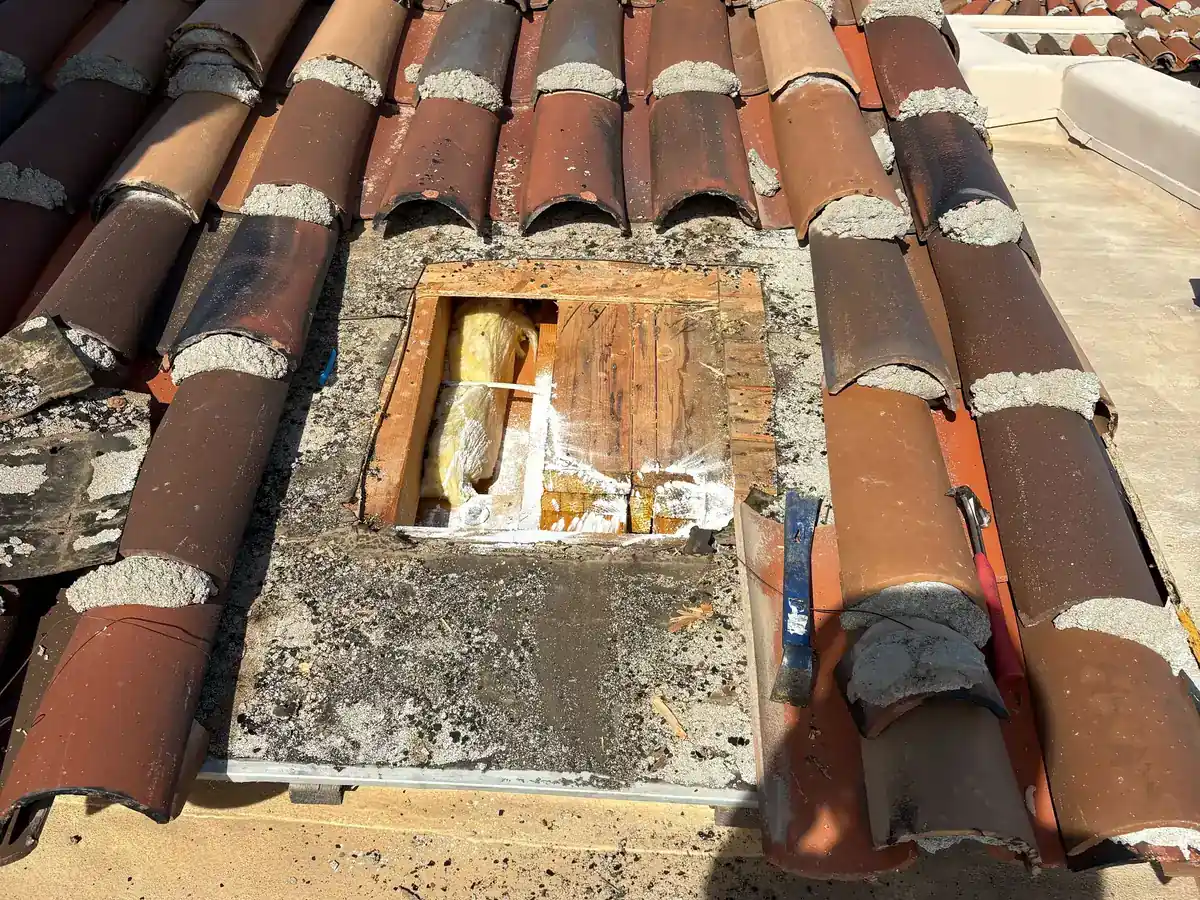
- Get somebody on the roof for the plane junctions, the tile eave line and the array.
- Only then deal with what is already inside.
What not to do
Do not start with traps and bait while the routes are open. Removing six rats from an attic that still has a way in makes room for the next six, and the population outside does not know anything changed. This is the reason people end up on their third pest company in two years, and it is a sequencing problem rather than a product problem.
The other one is more specific to this Valley. Do not seal a gap that has bees or wasps going in and out of it. The rodent logic does not transfer. Sealing an active colony into a wall leaves comb and honey in the cavity to ferment through the stucco, and the scent draws the next swarm to the same spot in spring.
The short answer
Five entry points account for most rodent work in Valley homes: the garage door seal, pipe and conduit penetrations, damaged vent screens, the junctions where roof planes meet, and the gap under a solar array. Half an inch is all a roof rat needs. Close the routes before you deal with what is inside them, and check what is using a gap before you fill it.
Frequently Asked Questions
How small a gap can a roof rat get through?
About half an inch. A house mouse needs roughly a quarter of an inch. If you can push a pencil into a gap, it is a rodent entry point, which is why the list is made of ordinary construction details rather than visible damage.
Why is the garage the most common way in?
The bottom seal fails first at the two corners, where the rubber compresses unevenly and sweeping grit wears it. Stand inside the closed garage in daylight and look along the bottom edge and up both sides. Any daylight is a gap. Garages then feed the rest of the house through unsealed penetrations into the wall cavity or attic.
Are solar panels really a rodent problem?
The gap between the panels and the roof deck runs roughly four to six inches, shaded through the hottest part of the day and hidden from anything hunting above. It is a staging post rather than a destination, and the attic is next. Chewed DC wiring carries a fire and arc fault risk, and rodent damage is commonly excluded from solar warranties.
Should I seal or screen a vent?
Screen it. Attic and gable ventilation is doing a structural job in this climate and closing it causes a different problem. Use rodent rated metal mesh fixed mechanically rather than insect screen or plastic mesh, which degrades in Arizona sun within a season or two.
Can I just use expanding foam?
No. Rodents chew through cured foam without much effort, and a foam plug that has been chewed and refilled twice is a permanent entry point with a cosmetic cover. Pack copper mesh or hardware cloth into the void first, then seal over it for weather.