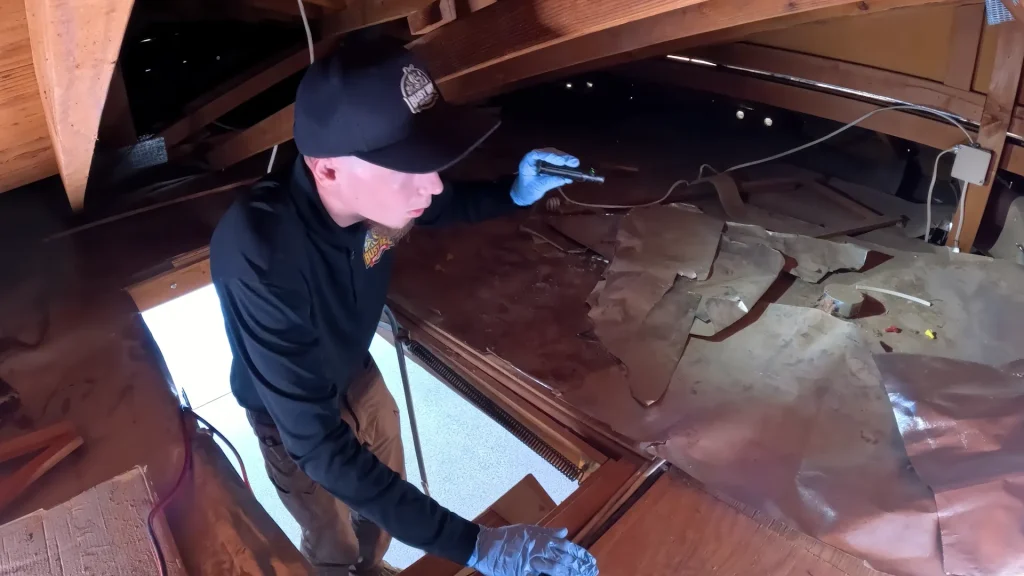
A standard Arizona home inspection is not a rodent inspection. Home inspectors work to a defined standard of practice that generally excludes pest and wood-destroying organism findings beyond noting visible evidence, and an inspector is not required to enter an attic that is unsafe or inaccessible, which, in a Phoenix summer, is often the case.
What the general inspection typically misses
A good home inspector will note obvious droppings if they are in plain view. What they generally will not do is:
- Traverse an attic to inspect insulation across its full area
- Assess whether insulation has been compacted or contaminated
- Identify rodent entry points at tile edges, bird-stops and soffit returns
- Distinguish roof rat from Norway rat from pack rat evidence
- Assess damage to ductwork or wiring inside insulation
- Evaluate exterior habitat: palms, citrus, block walls, middens
None of that is a criticism of inspectors. It is outside the scope they are hired for. It is simply a gap worth closing before you buy in the Valley.
Why it matters more in Phoenix
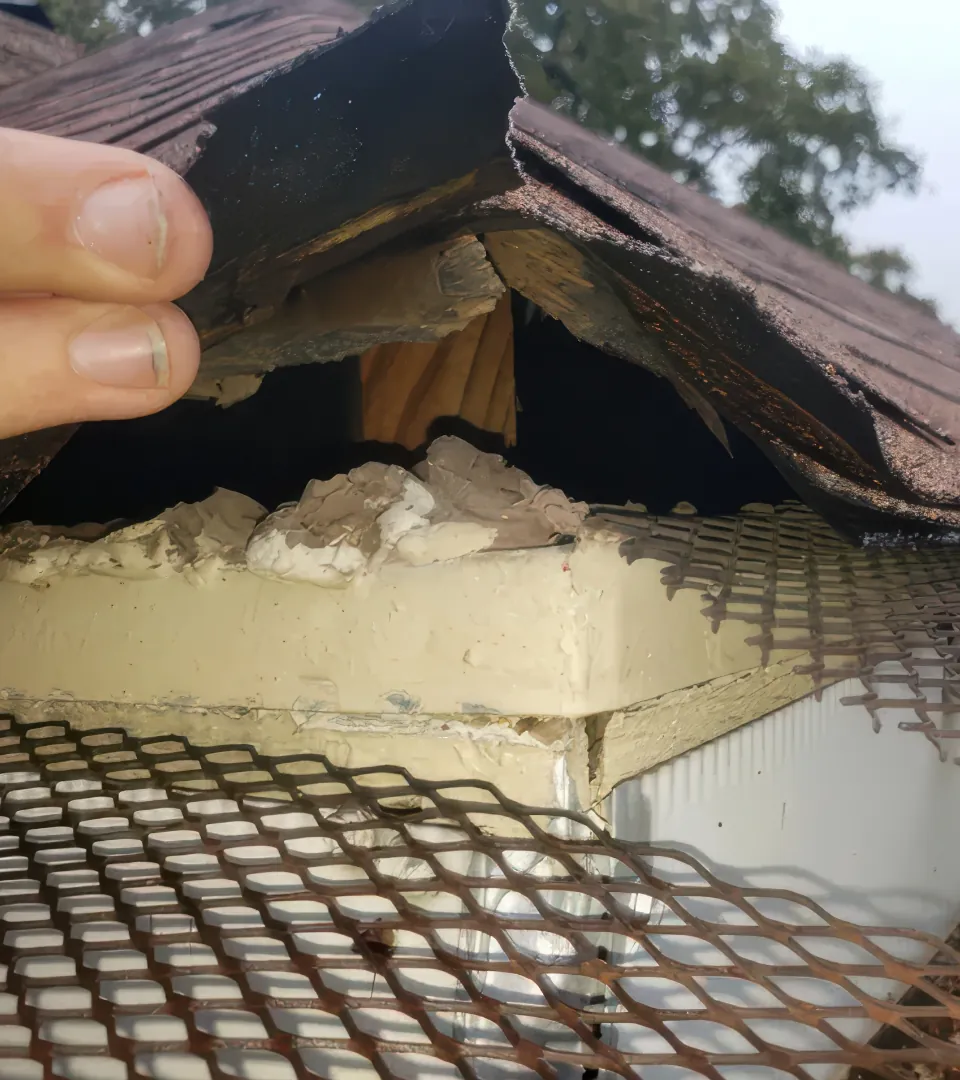
Two local factors make this worth doing. First, the housing stock: a large share of Valley homes are tile-roofed, and open bird-stops at tile edges are a common rodent entry point.
Second, the costs are not small and they are not insured. Attic decontamination with insulation replacement, chewed wiring repair, and ductwork replacement can add up substantially, and as we cover in our piece on homeowners insurance and rodent damage, most policies exclude it. That makes it a pre-purchase negotiation item rather than a post-purchase claim.
What a dedicated rodent inspection covers
- Full attic assessment. Droppings, runways, rub marks, nesting, insulation compaction and contamination, urine staining, and any carcass.
- Species identification from the evidence, which determines both severity and treatment.
- Active versus historical. Old droppings from a resolved problem are a very different negotiation from a live population. Freshness is readable.
- Entry-point mapping across the roofline, vents, penetrations and slab transitions.
- Exterior habitat. Unskirted palms, overhanging citrus, middens, burrows, block wall access.
- Written findings you can hand to your agent.
Reading the result
A finding is not automatically a reason to walk away. Most rodent issues are fixable at a knowable cost, which is exactly why you want the number before closing rather than after. What we would treat as more serious: extensive urine saturation of insulation, evidence of chewed wiring, damage to ductwork, or structural gnawing. What is usually routine: a limited amount of droppings along a couple of runways with identifiable entry points.
If you are buying a home with solar, ask specifically about the array. The gap beneath panels is prime roof rat habitat and it is invisible from the ground.
Timing
Schedule within your inspection period, ideally alongside or just after the general inspection so findings can be combined into one request to the seller. Attics are dangerously hot in a Valley summer, so morning appointments are both safer and more thorough between roughly May and September.
Frequently Asked Questions
Does a home inspection include checking for rats?
Generally not beyond noting visible evidence. Standard home inspection scopes exclude pest findings, and inspectors are not required to enter attics that are unsafe or inaccessible, common in Phoenix summers. A dedicated rodent inspection covers attic condition, entry points and species identification.
Is a rodent inspection worth it before buying in Phoenix?
In tile-roofed Valley housing, generally yes. Open bird-stops at tile edges are a common rodent entry point, attic decontamination and wiring repair are expensive, and most homeowners policies exclude rodent damage, so the cost is far better identified before closing than after.
Can you tell if rodent evidence is old or active?
Usually, yes. Dropping appearance changes measurably with age, rub marks and nesting material show whether runways are in current use, and trap monitoring confirms it. Distinguishing a resolved historical problem from a live population is a core part of the inspection.
Should I walk away from a house with rodent evidence?
Not usually. Most rodent issues are fixable at a knowable cost, which is why identifying them during the inspection period matters. It becomes a repair request or price adjustment. More serious findings include urine-saturated insulation, chewed wiring, and damaged ductwork.
When should I schedule the inspection?
Within your inspection period, ideally alongside the general home inspection so findings can be combined into a single request to the seller. From roughly May through September, book a morning appointment. Valley attics become unsafe to work in by midday.