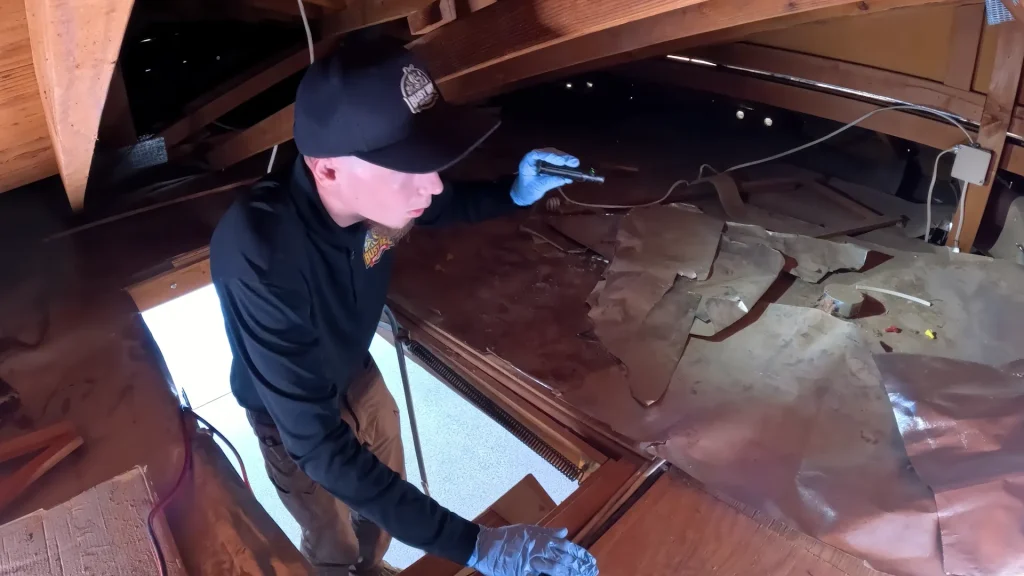
Search for how to get rid of rats or mice and you will find a long list of things to try before calling anyone. Peppermint oil, plug-in ultrasonic repellers, mothballs, dryer sheets, a can of spray foam, a cat, a box of bait from the hardware store.
Some of these do something. Most do not do what people buy them for. Here is what we see in Valley homes, item by item, and what actually ends a rodent problem.
The quick version
| Remedy | What it does | Does it solve the problem? |
|---|---|---|
| Peppermint oil | A strong smell that fades within days | No |
| Ultrasonic plug-in repellers | A high-pitched sound rodents get used to | No |
| Mothballs | Pesticide fumes, made for clothes moths in sealed containers | No, and a hazard indoors |
| Dryer sheets, cayenne, ammonia | Smells | No |
| Spray foam in gaps | Fills a gap until it is chewed through | No |
| Steel wool on its own | Blocks a gap until it rusts or is pulled out | Partly |
| A cat | Catches the occasional mouse | Rarely |
| Store-bought poison | Kills some rodents | Often makes things worse |
| Snap traps, placed well | Removes the rodents inside | Yes, as part of the job |
| Sealing every entry point | Keeps new ones out | Yes, after trapping |
Peppermint oil
The idea is that rodents dislike strong smells, so cotton balls soaked in peppermint oil will keep them away. In practice the smell fades within days, rodents work around it, and it does nothing about a nest that is already in the attic or a wall. We have not seen reliable results from it, in houses or in cars, as our article on rats chewing car wiring mentions.
Concentrated essential oils can also be harmful to pets, cats in particular, so it is not a free experiment in a house with animals.
Ultrasonic plug-in repellers
These plug into an outlet and give off sound above the range of human hearing. Ultrasonic repellers have not produced reliable results in our field experience. Rodents get used to them quickly. The sound does not pass through walls, cabinets or furniture, so it never reaches the voids where rodents actually live. And an attic full of insulation and ductwork is about the worst place for one to work.
Mothballs
Mothballs are a pesticide made for clothes moths, to be used inside sealed containers. Scattering them in an attic, a garage or a yard to drive rodents away is not what they are labeled for. The fumes are a hazard to people and pets at the concentrations it would take, and rats and mice simply move a little way from the smell and carry on. Keep them out of living spaces, and away from children and pets.
Dryer sheets, cayenne, ammonia and other smells
The same problem as peppermint oil. A smell may make a rodent go around one spot for a while, and none of them touch the nest or the way in. Strong chemicals such as ammonia are also unpleasant and unsafe to use in a closed space.
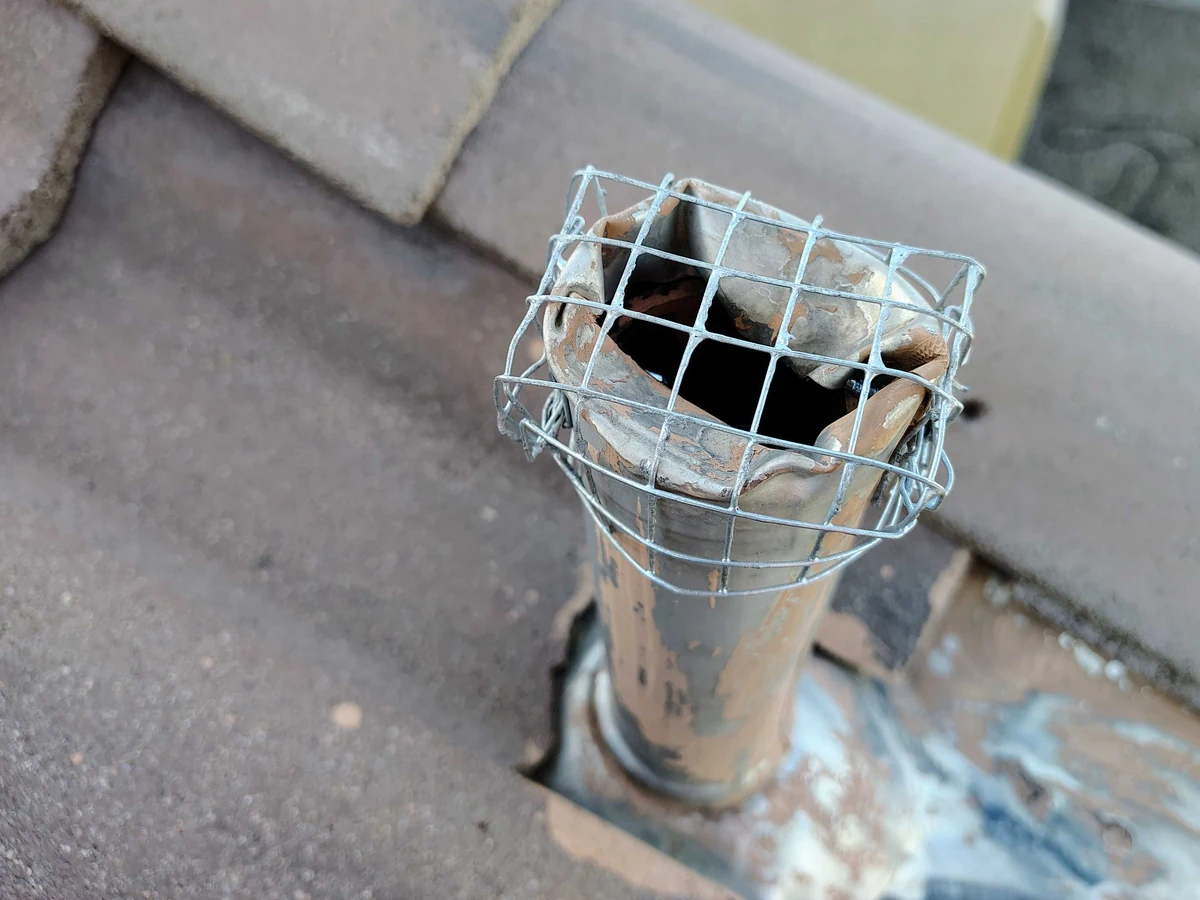
Spray foam and steel wool
Filling gaps is the right instinct. The materials and the order are what go wrong.
Spray foam is chewed through easily and breaks down in the sun. It is fine as a draft seal. It is not a rodent barrier.
Steel wool is better, but it rusts in damp spots and can be pulled out. Mouse gaps are packed with metal mesh and then sealed over.
The bigger problem with sealing it yourself is order and coverage. Sealing a gap with rats still inside traps them in the walls or the attic. And sealing the three gaps you can see does little when there are more that you cannot. Our article on what gets sealed and what does not explains which gaps matter and why.
A cat
A cat may catch the occasional mouse that comes into the living space. It will not reach roof rats in the attic or mice inside a wall void, and it does nothing about how they are getting in. A cat that catches a rodent that has eaten poison elsewhere is at risk itself.
Store-bought poison
Bait from the hardware store does kill rodents. The problems are where they die and what else eats it.
- A rodent that eats bait dies wherever it happens to be. Anticoagulant bait acts slowly, so the animal keeps moving for days, and very often it ends up inside a wall, under a floor or in the attic. A dead rat in a wall smells for about three to six weeks. Our article on a dead rat smell in a wall covers what happens then.
- Pets and wildlife can eat the bait, or eat a poisoned rodent.
- It does nothing about the entry points, so the next rodents walk straight in.
Busy Bee uses no poison inside the home, in attics or in walls. Outdoors, any bait is kept in locked, tamper-resistant stations.
Glue boards
We do not use glue boards for rats. They often fail to hold an adult rat, and a rat can drag the board into a space nobody can reach. They also catch lizards and birds.
What actually works
Two things, in this order.
- Remove the rodents already inside. Snap traps, in numbers, along the runways where the signs are, in enclosed spots children and pets cannot reach. Placement matters more than the brand of trap. Our article on traps and bait stations explains how each is used.
- Seal every way in with chew-resistant materials such as metal mesh, copper mesh and heat-rated sealant, once activity has stopped.
Taking away food, water and cover around the house helps keep the pressure down afterward. None of the remedies above replaces either step.
If a remedy seemed to work
If the noise stopped after you tried something, check before you relax. Clean up any droppings you found outside the attic, soaking them with disinfectant first rather than sweeping them, then look again in the same spots over the next week or two. Listen at dusk for a few evenings. Quite often the activity has only moved to another part of the house, or slowed for a few nights before picking up again.
What not to do
Do not seal the gaps before the rodents are out. Closing them with rats or mice still inside traps them in the walls and attic, where they chew a new route out or die where nobody can reach them.
Do not use mothballs, ammonia or other strong chemicals in living spaces. They do not solve the problem, and the fumes are a hazard to the people and pets breathing them.
Do not leave loose bait anywhere children, pets or wildlife can reach. If bait is used at all, it belongs in a locked, tamper-resistant station outside.
The short answer
Peppermint oil, ultrasonic plug-ins, mothballs, dryer sheets and similar remedies do not end a rodent problem: smells fade, rodents get used to the sound, and none of them touch the nest or the way in. Spray foam is chewed through, and store-bought poison often leaves a rodent dying inside a wall. What works is trapping the rodents already inside, then sealing every entry point with chew-resistant materials.
Frequently Asked Questions
Does peppermint oil keep rats and mice away?
Not reliably. The smell fades within days and does nothing about rodents already living in the attic or walls. We have not seen reliable results from it.
Do ultrasonic rodent repellers work?
Ultrasonic repellers have not produced reliable results in our field experience. Rodents get used to them quickly, and the sound does not carry through walls or insulation.
Can I use mothballs to get rid of rats?
No. Mothballs are a pesticide made for clothes moths in sealed containers. Using them in an attic, garage or yard is not what they are labeled for, and the fumes are a hazard to people and pets.
Will spray foam keep rodents out?
No. Rodents chew through foam. Gaps are closed with metal mesh and sealed over with a durable sealant.
What actually gets rid of rats in the house?
Trapping with snap traps placed along the runways, then sealing every entry point once activity stops.
Tried everything?
Trapping and sealing the entry points is what ends it. See rodent exclusion in Phoenix. Free inspection: 623-289-3375.