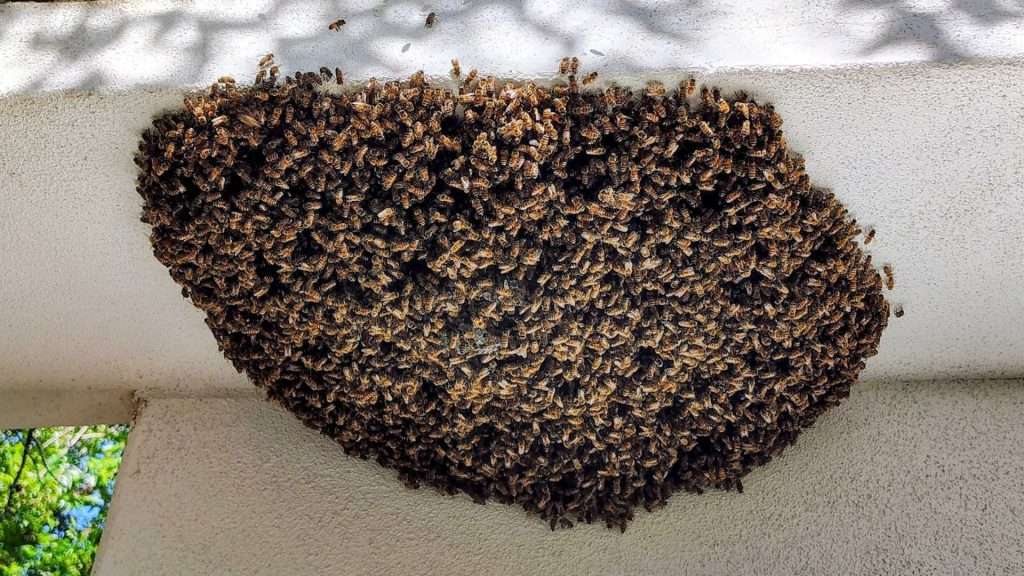
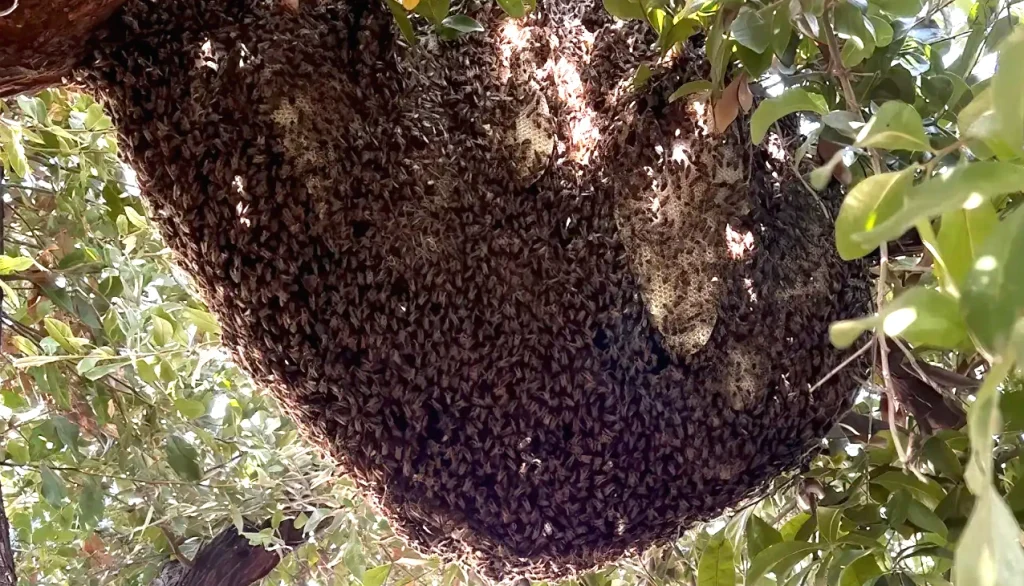
The East Valley is one of the busiest bee-removal markets in all of Arizona and if you live in Mesa, Gilbert, Chandler, Tempe, or Queen Creek, there’s a good chance a hive is closer than you think. Between our older block-built neighborhoods, newer master-planned communities, year-round irrigated yards, and relentless summer heat, the East Valley gives bees everything they need to settle in and stay.
Busy Bee Pest Solutions dispatches technicians daily from our Mesa base, so we know exactly where local hives turn up. Here’s where we find them week after week, and what to do if you’ve got one.
Why the East Valley gets so many bees
Bees need three things: shade, shelter, and water. East Valley homes supply all three. Irrigated lawns, pools, and drip systems keep water available even in July. Block walls, tile roofs, and stucco give bees protected cavities. And our heat drives colonies to seek out those shaded structural spaces. Established colonies grow fast here, often doubling every couple of weeks during the warm months.
Where hives hide in East Valley homes
Block walls and property fences. Common across older Mesa, Tempe, and Chandler neighborhoods. Bees enter through weep holes and mortar gaps and build deep inside, usually requiring a full cut-out.
Tile roofs and rooflines. Newer communities like Eastmark, Power Ranch, and the Gilbert master-plans use a lot of tile roofing, which creates shaded, hidden cavities under the tiles and behind fascia. Surface sprays never reach these.
Irrigation and valve boxes. Those in-ground green boxes in your yard stay shaded and quiet, ideal for a new swarm. Heavy bee traffic near your irrigation almost always means a colony is close.
Pool equipment and water features. With as many backyard pools as the East Valley has, poolside colonies are one of our most frequent calls. If bees are working your pool, the hive is usually within 100 feet.
Desert-edge lots. Homes bordering open desert in far East Mesa, Queen Creek, and Apache Junction see noticeably more wild swarm activity, sometimes several times more during peak season.
Attics, soffits, and chimneys. High, dark, and protected; and the hives that cause the most interior damage when left untreated.
What to do if you find a hive or swarm
Keep your distance and don’t spray it. A calm swarm on a tree or fence can turn defensive when disturbed, and store-bought spray only kills the bees you can see while leaving the hive and all its honeycomb behind. Don’t seal the entry, either; trapping bees inside pushes them deeper into the structure. The right move is to call early, before a manageable swarm becomes a structural hive.
How Busy Bee handles it
Every East Valley removal follows a complete process built for long-term results:
- On-site inspection and Africanized-behavior assessment
- A safety perimeter to protect your family, pets, and neighbors
- Full hive extraction: live relocation to a licensed Arizona beekeeper whenever conditions allow
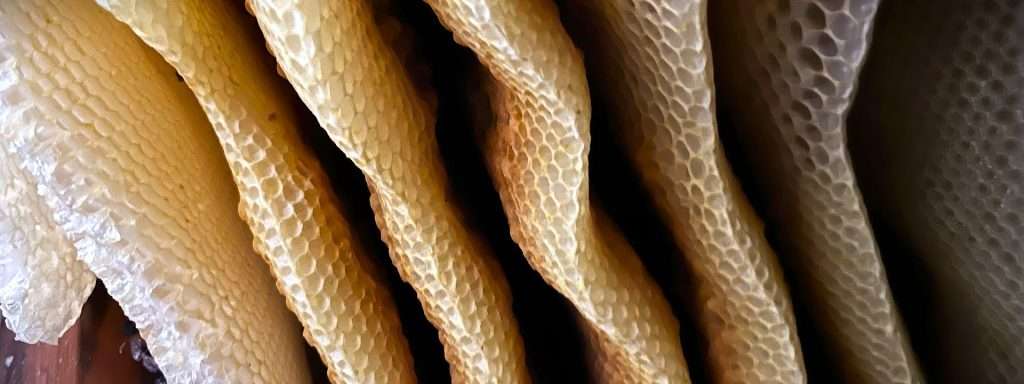
- Complete honeycomb removal and scent neutralization so the spot doesn’t re-attract bees
- Entry-point sealing, with a 5-year warranty on qualifying structural repairs
We’re family-owned, licensed and insured (AZ #10332), and backed by 1,800+ five-star reviews. Most East Valley calls get a 1-hour response, and we quote honest pricing before we start. No fake “$99” teasers, no surprise upsells.
Bees on your East Valley property? Call today
Whether you’re in Mesa, Gilbert, Chandler, Tempe, Queen Creek, or Apache Junction, our team is already working your area. The sooner you call, the simpler and cheaper the removal usually is.
Call Busy Bee at 623-289-3375 for same-day East Valley bee and wasp removal.
City pages for the East Valley: Gilbert, Chandler, Tempe, Queen Creek and Apache Junction bee removal, each with the hive spots typical of that city.