The Complete Guide to Domesticated Rats, Their History, and Why They’re Different from Wild Roof Rats
If you’ve ever wondered what a “fancy rat” is, or how they differ from wild rats, this guide explains everything you need to know.
Fancy rats are domesticated versions of the common rat species, selectively bred for more than 200 years to be gentle, trainable, clean, and affectionate pets. Wild roof rats in a Phoenix attic are a different animal; if that is what you are hearing, see roof rat removal in Phoenix or our Phoenix rodent control services.
Here’s the full story.
🕰️ A Brief History of the Fancy Rat
Fancy rats didn’t appear out of nowhere. Their story goes all the way back to the 1800s.
Early Rat-Catchers (1800s England)
In Victorian London, professional rat-catchers such as Jack Black, the Queen’s official rat-catcher, often captured unusually colored rats during their work. Instead of killing them, they began breeding these rare color variations. White, piebald, silver, cream, and more.
These early breeders discovered that:
- some rats were friendlier
- some had unique coats
- some were eager to interact with humans
This is the true origin of the modern fancy rat.

Rat Fancy Becomes a Hobby (Late 1800s – Early 1900s)
By the late 1800s, rat enthusiasts grew in number. Colored and friendly rats were shown at early animal exhibitions, similar to cat and rabbit shows.
This was the birth of the “Rat Fancy”. The hobby and community surrounding the breeding and care of domesticated pet rats.
Scientific Contribution (1900s)
As domesticated rats became easier to handle, researchers began using them in laboratories for:
- learning studies
- medical research
- genetics
- psychology
These rats were selected for intelligence, calm behavior, and trainability, which eventually strengthened the domestic rat lineage even further.
Modern Fancy Rats (Today)
Today, fancy rats are bred worldwide by hobbyists who select for:
- temperament
- health
- coat type
- ear type
- color
- social behavior
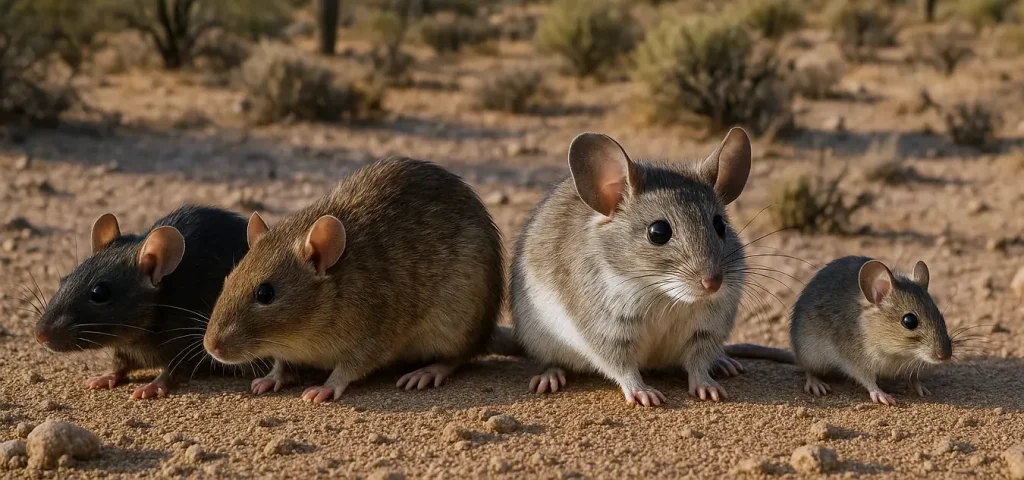
They are completely different from their wild cousins in temperament, hygiene, and personality.

🐭 Fancy Rats vs Wild Rats: What’s the Difference?
Although fancy rats and roof rats belong to similar species, domestication makes all the difference.
Fancy Rats Are:
- Bred for friendliness and calm temperament
- Clean and self-grooming
- Trusting of humans
- Easy to train
- Safe to handle
- Curious, playful, and social
Wild Roof Rats Are:
- Fearful of humans
- Potential carriers of parasites or disease
- Highly destructive chewers
- Extremely fast and difficult to handle
- Not suited for domestication
- Prone to biting when cornered
Simply put:
A fancy rat is the equivalent of a dog;
a roof rat is the equivalent of a wild coyote.
Same species, very different behavior.
🌈 Types of Fancy Rats
Fancy rats come in many varieties:
- Standard – smooth coat
- Dumbo – wide-set ears, gentle expression
- Rex – curly fur and whiskers
- Double Rex – patchy, velvety coat
- Satin – shiny, glossy fur
- Hairless – no fur at all
- Manx – tailless (rare)
Color patterns include:
- Agouti
- Black
- Blue
- Champagne
- Siamese
- Hooded
- Variegated
- Mink
- And many more
This diversity exists because of centuries of selective, thoughtful breeding.
🧠 Are Fancy Rats Good Pets?
Yes. Extremely.
Fancy rats are known for:
- High intelligence
- Strong social bonding
- Playful personalities
- Affection toward owners
- Ability to learn tricks
- Low maintenance needs
They’re often described as “tiny dogs” because they:
- come when called
- enjoy being held
- recognize their owners
- like exploring and interacting
They are nothing like the wild roof rats found in attics.

🚫 Can You Keep a Wild Roof Rat as a Pet?
We strongly recommend against it.
Wild roof rats:
- rarely become tame
- may carry disease
- bite when stressed
- escape easily
- chew wires and structures
- are not safe companions
- will never behave like domesticated fancy rats
If someone wants a friendly, affectionate companion rat, adopting a fancy rat is the correct, and safe, choice.
If you’re dealing with a wild roof rat in your home, that’s a pest control issue, not a pet opportunity.
Call us anytime at 623-289-3375 for safe, humane removal.

🐀 Final Thoughts
Fancy rats have a long, fascinating history as domesticated, people-friendly pets, and they’re nothing like their wild roof rat cousins.
If you’re interested in pet rats, choose a reputable breeder or rescue.
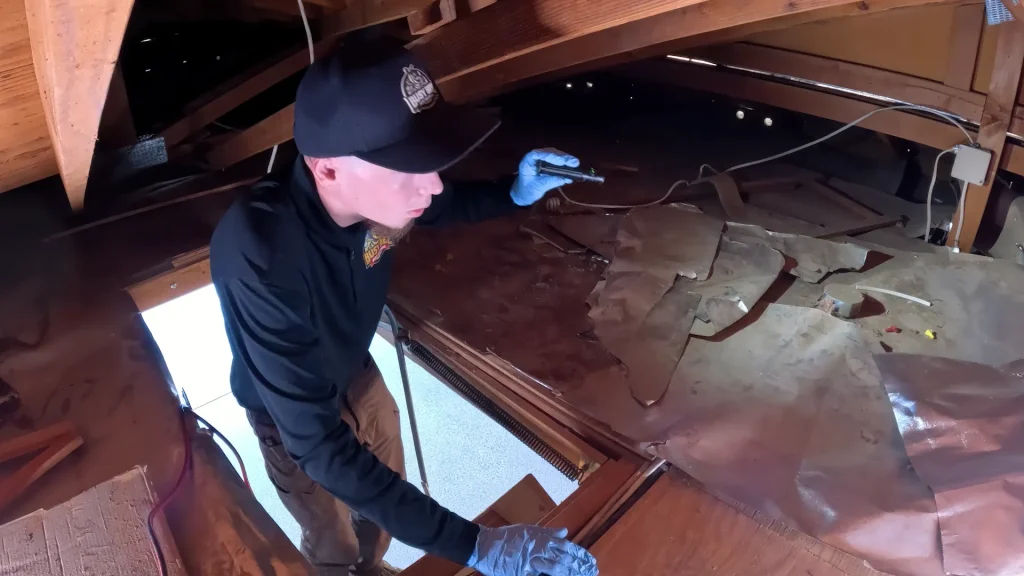
If you’re dealing with wild rats on your property, Busy Bee Pest Solutions is here to help you keep your home safe.
🐝 Need Help with Wild Roof Rats? We’ve Got You Covered.
If you’re seeing or hearing wild roof rats around your home, it’s important to act quickly.
Wild rats are not safe to keep as pets. They can carry parasites, spread disease, and cause costly damage inside walls, attics, and insulation.
Instead:
- Call Busy Bee Pest Solutions for fast, humane removal
- Choose a domesticated fancy rat if you want a safe, friendly pet
- Keep your home protected while still supporting responsible animal care
For expert rodent inspection and removal, call us anytime at 623-289-3375 or use our online contact form.
We’re here to help you stay safe, secure, and rodent-free. The right way.
What it costs to fix
Whichever rat you are dealing with, here is what treatment costs. Rodent control is $245 for the initial service and $95 per follow-up. The Phoenix rodent control price guide breaks down every line item, including what rodent damage costs to repair if you wait. If you are adding year-round pest control, the initial rodent visit drops to $29 under the $29 rodent special. Trapping ends the infestation you have now; rodent exclusion is what stops the next one.